
Regional distributors serving commercial and industrial (C&I) and distributed PV projects rarely win cleaning-equipment business on price alone. Local EPC and O&M teams need a robot suited to the array layout, access route, slope, obstacles, and site safety rules, plus supplier support after delivery. C&I rooftop systems may have restricted roof access and edge-safety requirements; ground-mounted distributed arrays may have row gaps and changing terrain; floating PV introduces walkways, float seams, and water access. Before discussing channel terms, compare how each solar panel cleaning robot supplier evaluates these conditions, what documentation it provides, and how it handles shipping. That groundwork makes later conversations about price, stock, and delivery more productive.
What C&I and Distributed PV Projects Require from a Cleaning Supplier
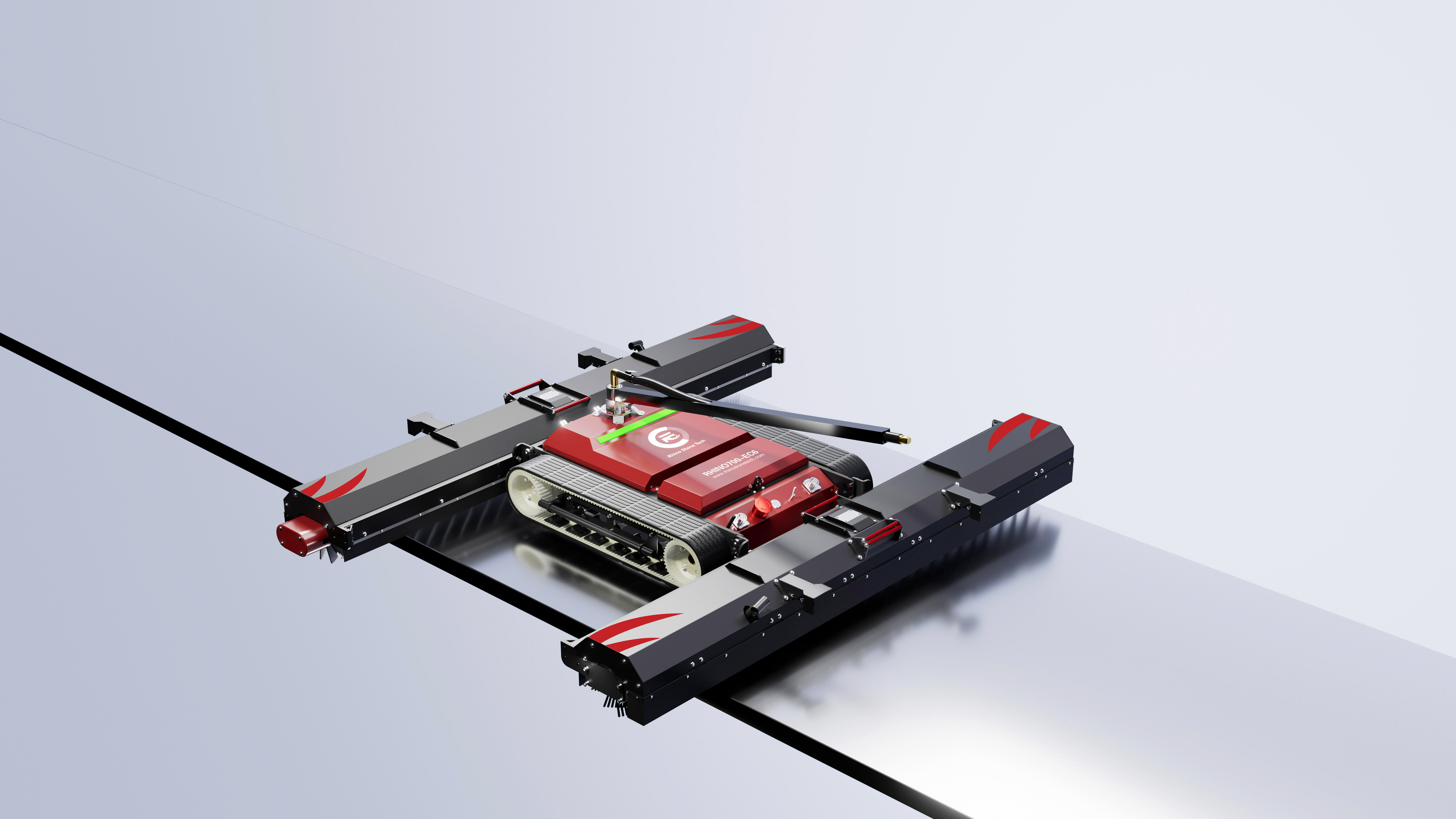
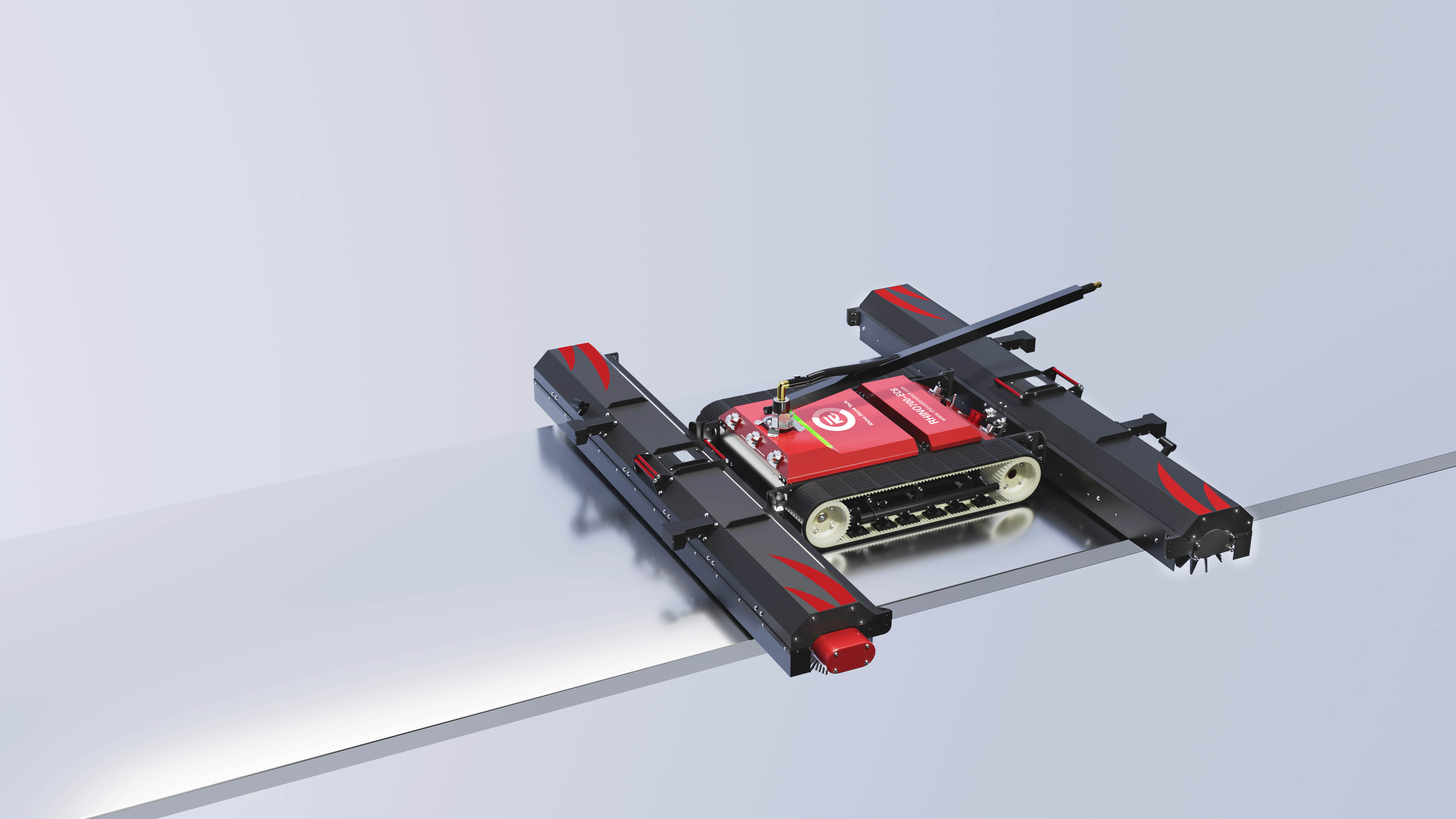
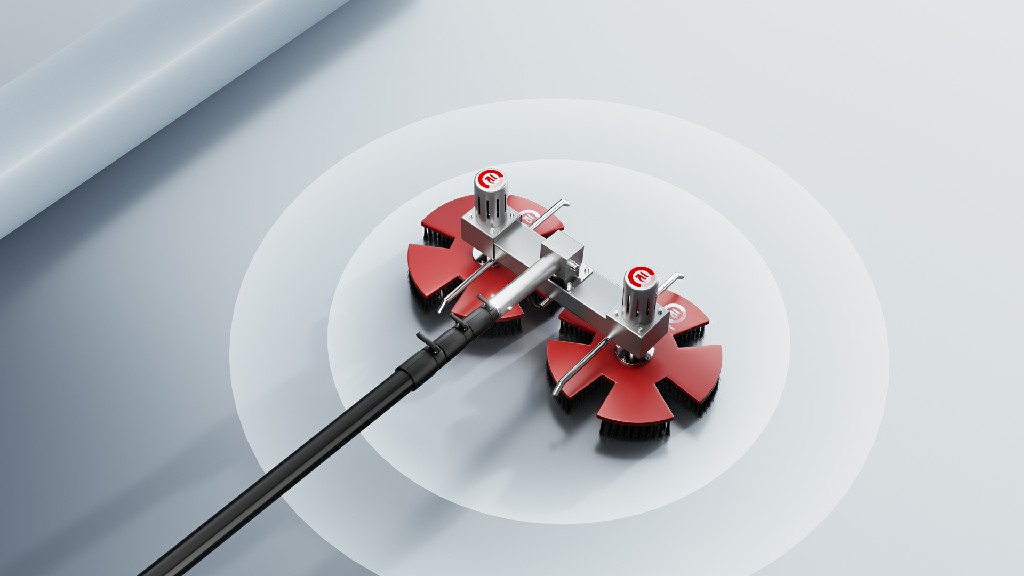
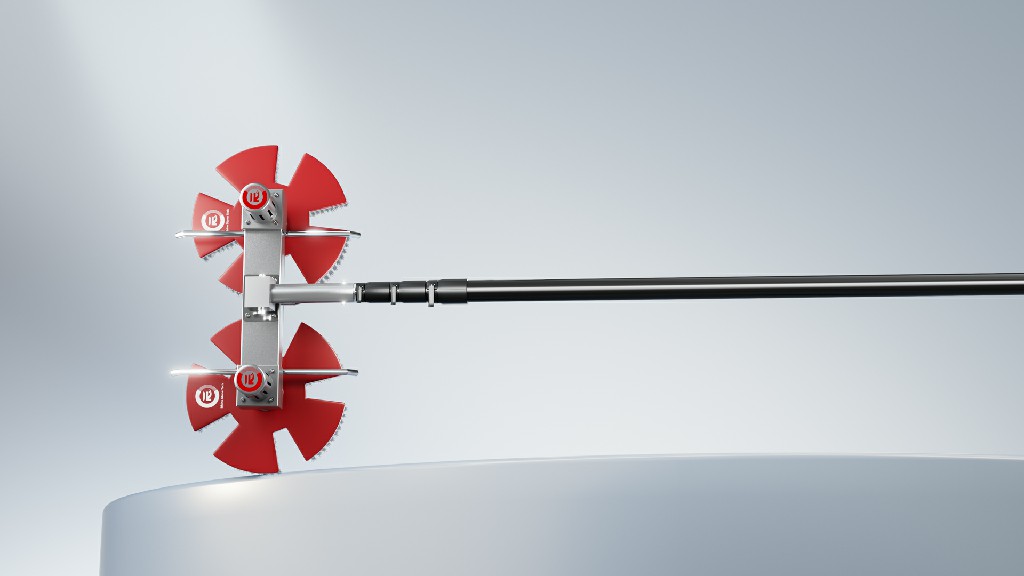
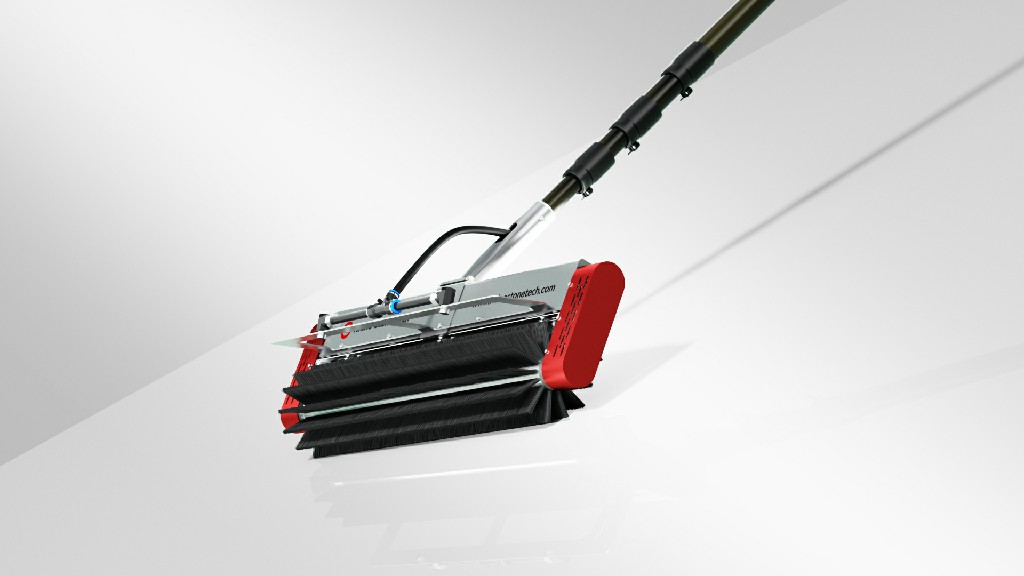
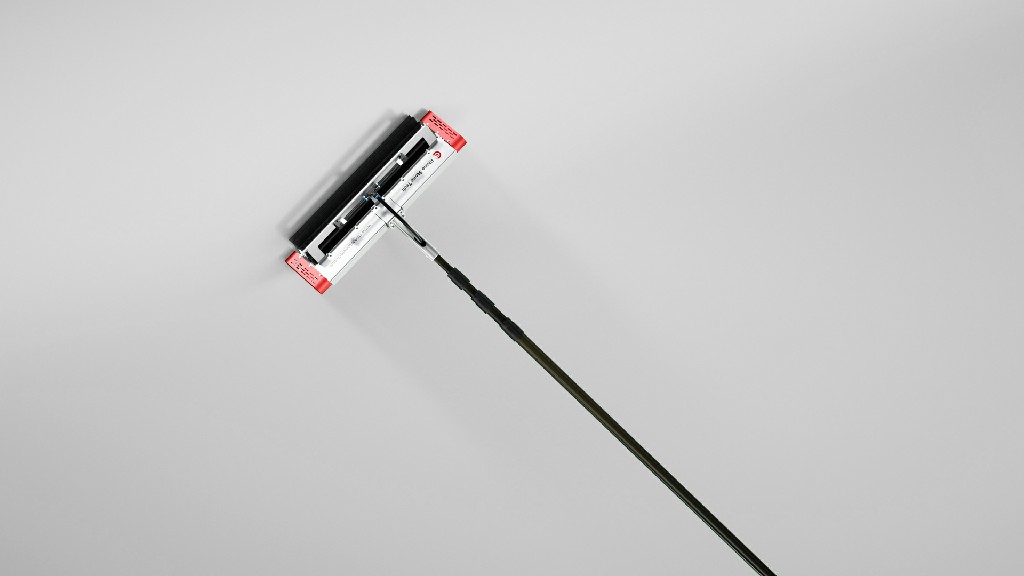
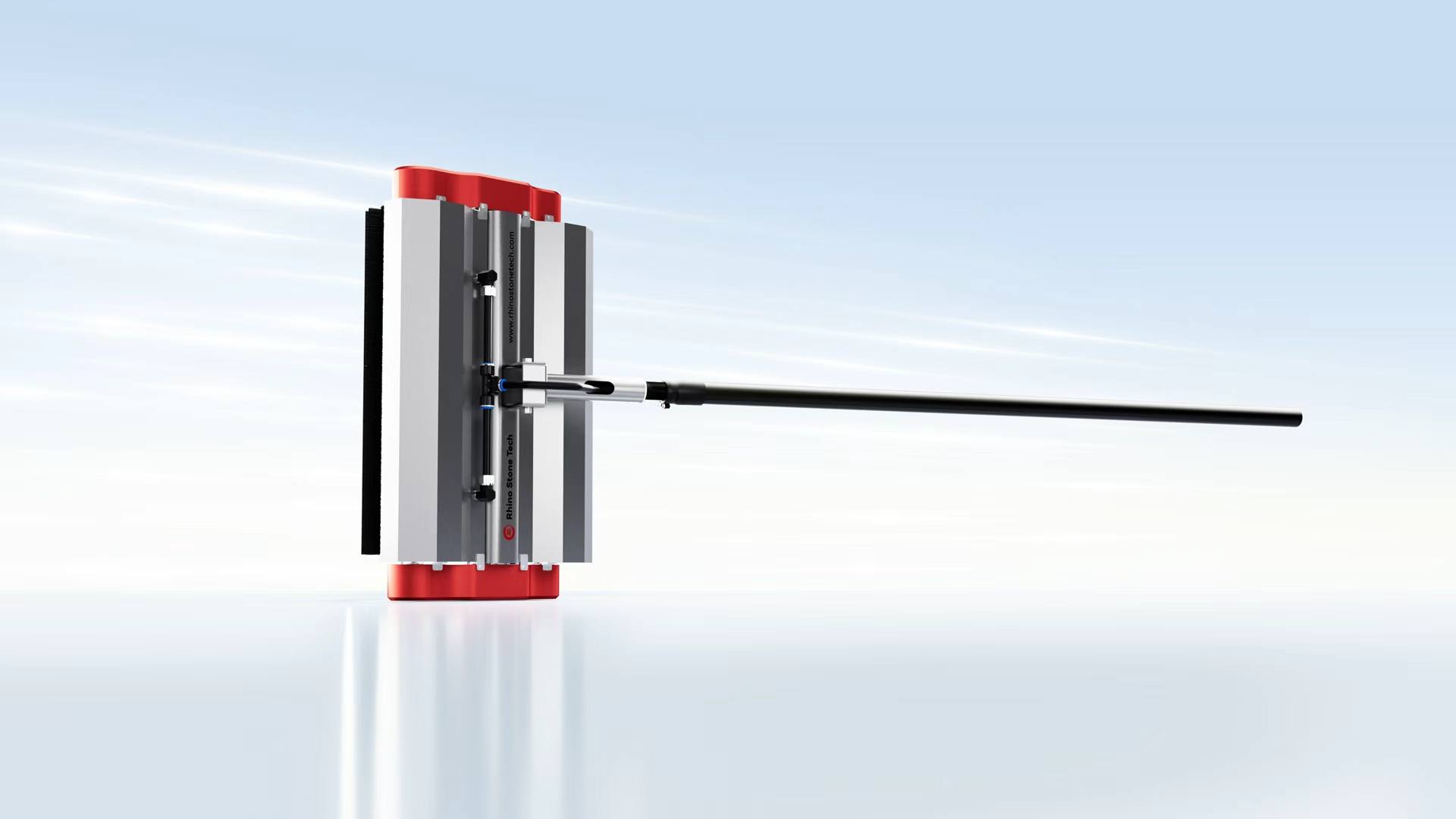
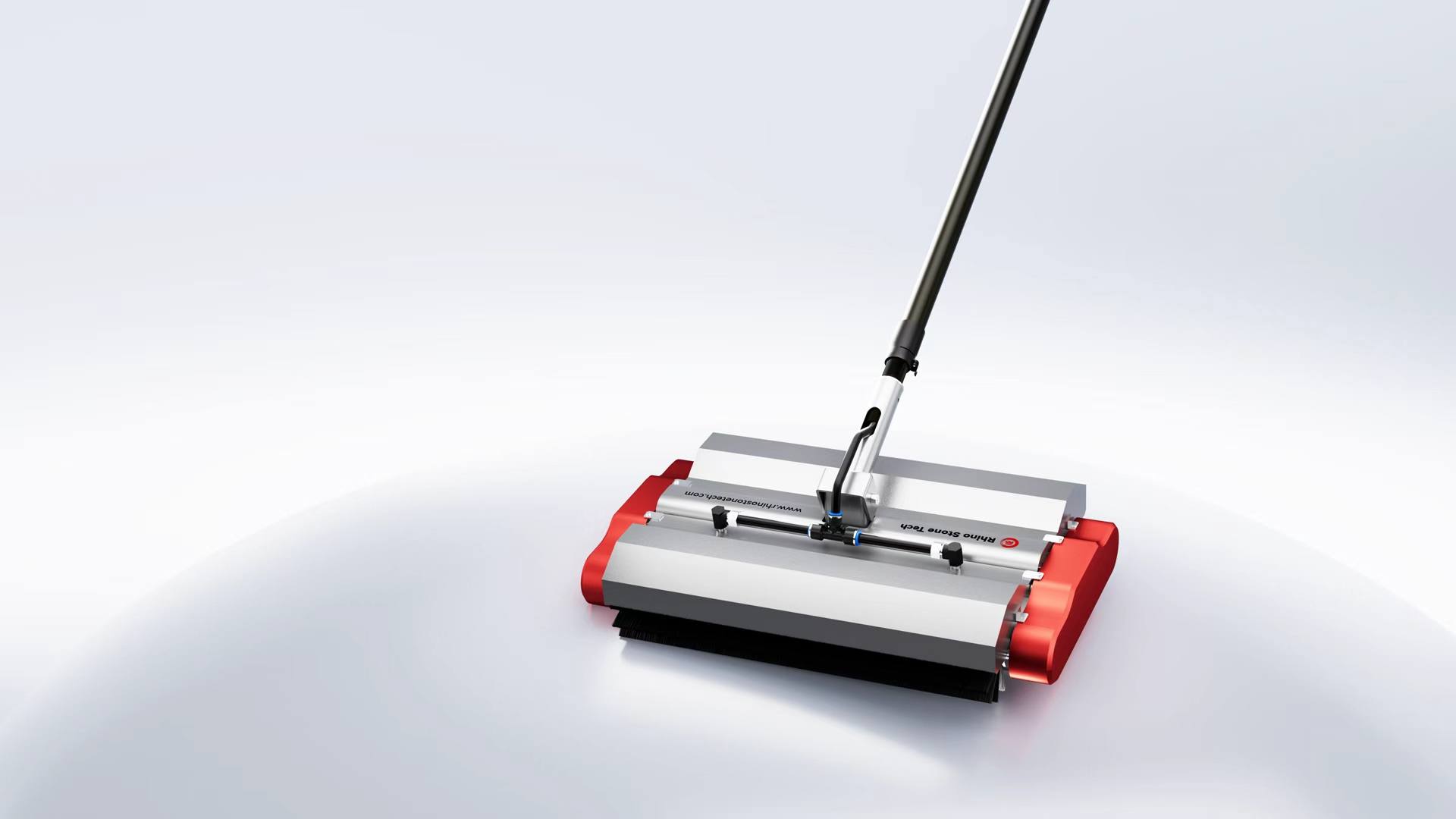
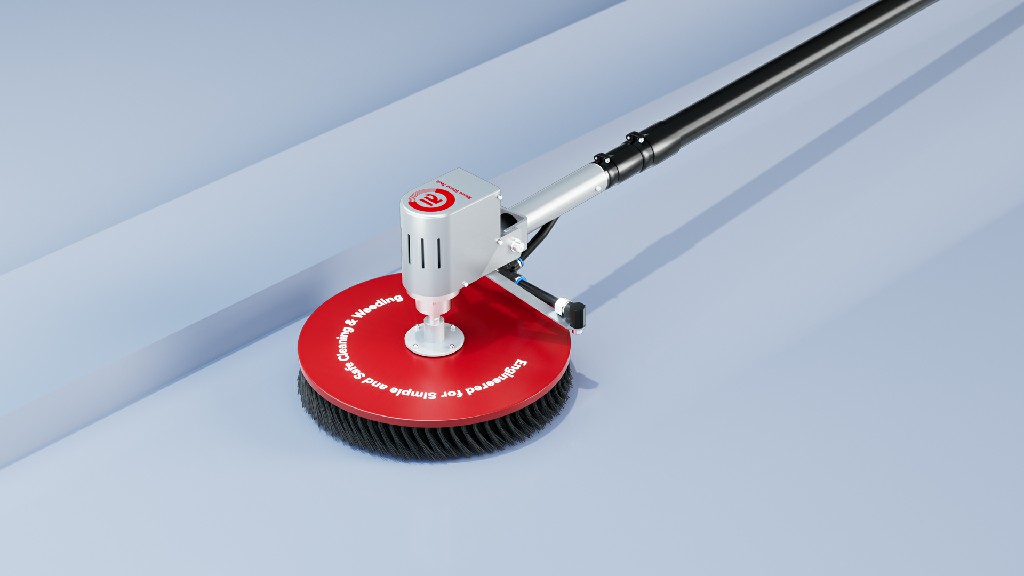
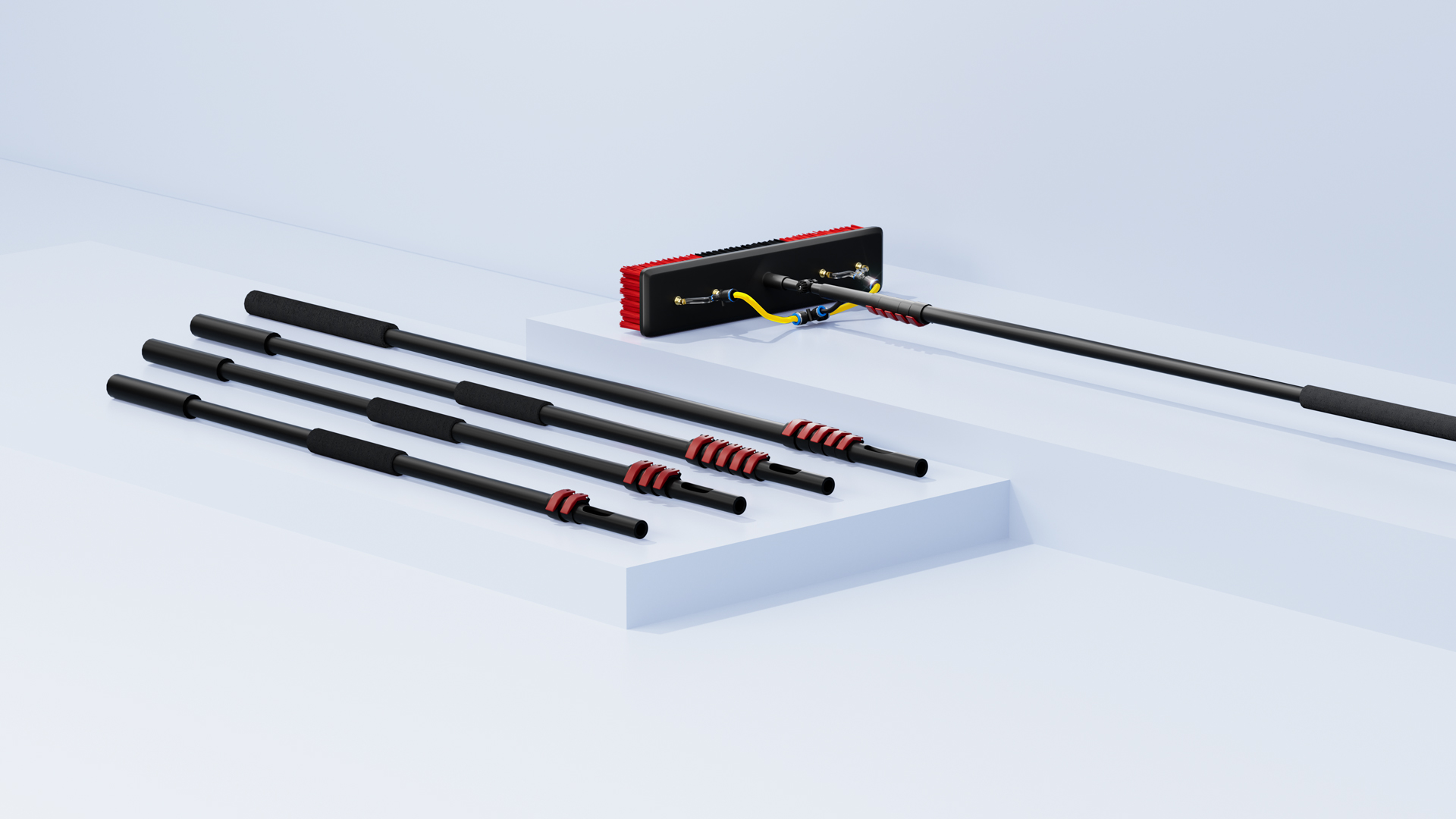
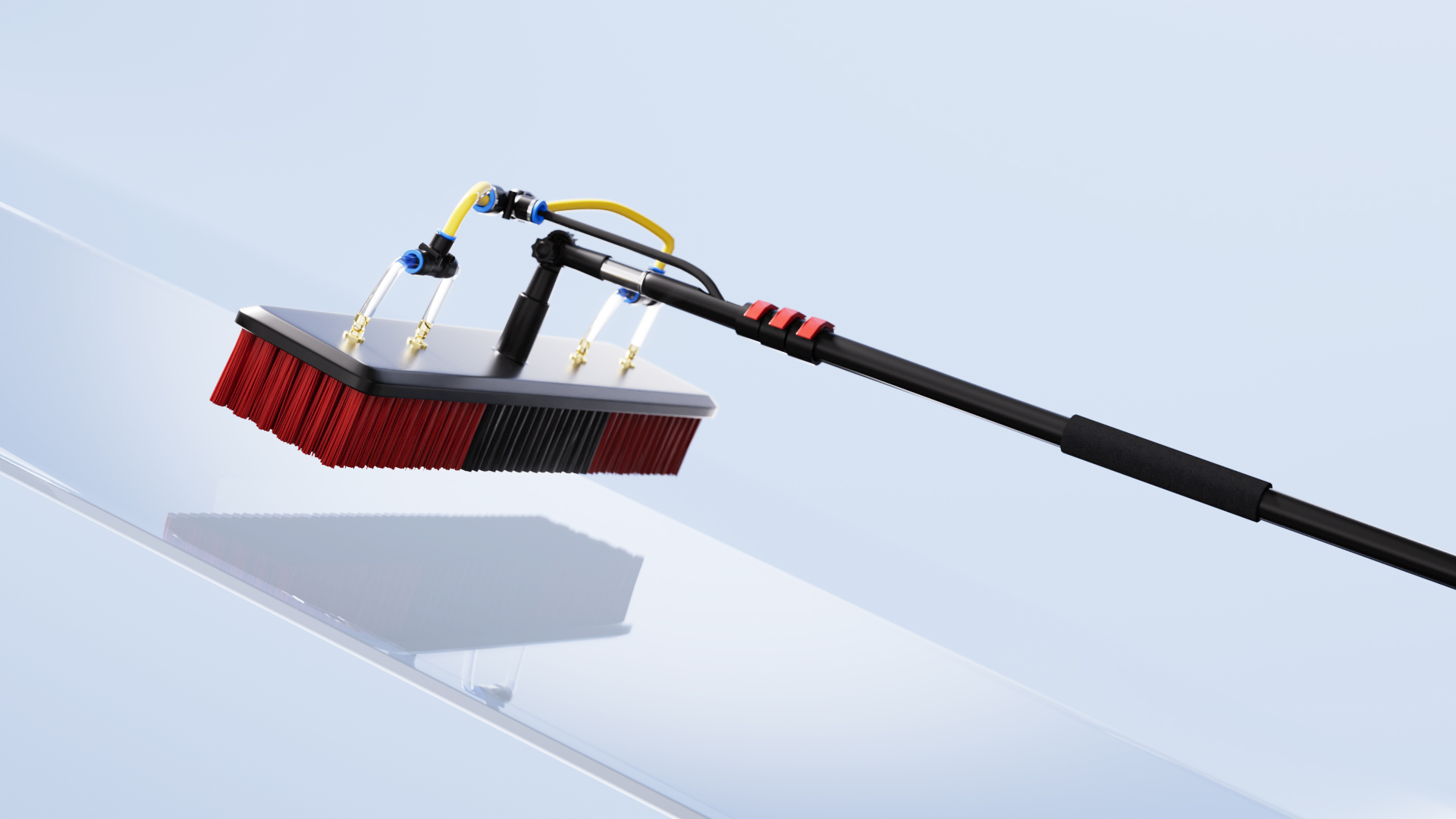
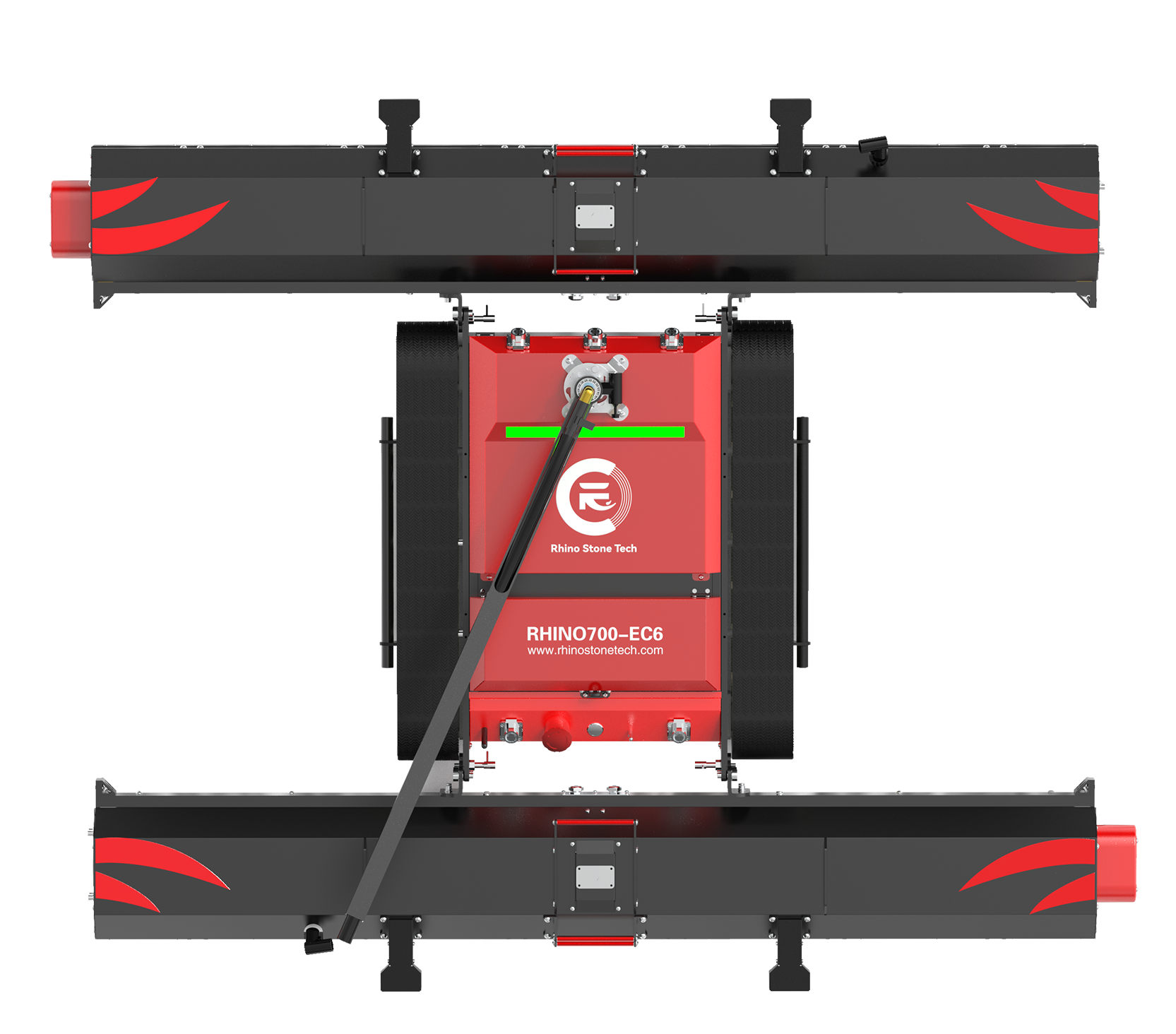
C&I rooftop arrays, ground-mounted distributed arrays, and floating PV installations may look similar in a product photo, but each brings different operating conditions. Rooftop sites can have restricted access, edge-safety procedures, and roof load limits. Ground-mounted distributed sites may involve uneven terrain, module gaps, and service roads, while floating PV can include walkways, anchor lines, float seams, and limited dry standing space. A supplier that sends only a specification sheet without asking about module tilt, gap size, roof access or load limits where relevant, water access, and transport routes is harder to trust. Site fit is the first filter: can the robot be moved to the array, controlled from an approved position, and used in the cleaning mode the site needs? The RHINOSTAR-EC6 offers 200 m wireless remote control, a 33° working slope, 60 cm obstacle crossing, an 18 kg chassis, 3-section quick assembly, four anti-fall sensors, dry and wet cleaning, and PBT-bristled spiral brush options. For rooftop projects, confirm roof capacity and the approved handling route separately; the robot's weight alone does not establish roof suitability.
1. How 200 m Remote Control Supports Rooftop, Ground-Mounted, and Floating PV Work
On floating PV, the operator should not have to step from float to float or lean over wet modules to guide a machine. A 200 m wireless remote lets the crew control the robot from shore, a stable walkway, or a service boat where site rules allow. On C&I rooftops, remote control may help an operator stay at a designated safe position instead of repeatedly approaching module rows or roof edges, provided the site layout and operating procedure allow it. On ground-mounted distributed arrays, the same range can reduce walking between rows and help one person monitor the brush path across a wider block. The practical benefit is easier repositioning and better visibility of the cleaning path. Confirm the radio environment, line of sight, and site rules during the survey, because steel structures, obstructions, and water can affect wireless performance. A stated 200 m range should not be treated as a guaranteed operating distance at every site.
2. How 33-Degree Slope and 60 cm Obstacle Crossing Affect Site Match
Slope and obstacle spacing help determine whether a robot suits a specific array. A 33° working slope may fit some tilted C&I, ground-mounted distributed, and floating installations, but the site check should focus on the steepest continuous section and actual surface conditions, not the average tilt. A 60 cm obstacle-crossing specification may help with module gaps, small steps, and service crossings, yet the distributor should measure the largest gap and check transitions between rows. The 18 kg chassis and 3-section quick assembly can make transport between blocks or through approved access routes easier. For rooftops, confirm access, manual handling, and roof load limits before bringing equipment onto the roof. Four anti-fall sensors are a product feature, not a replacement for site-specific fall protection and operating procedures. Match the specifications to the actual layout, then explain the match clearly in the quotation.
How Distributors Compare Supplier Documentation and International Shipping Terms
Documentation is where a supplier conversation becomes a real sourcing decision. A solar panel cleaning robot manufacturer can show attractive photos, but distributors need a specification sheet that lists robot weight, remote range, slope limit, obstacle crossing, cleaning modes, brush options, and safety sensors in plain language. For C&I rooftop projects, make sure the project team can review the equipment weight and handling requirements against site restrictions. If the supplier claims CE conformity for machinery, ask for the relevant declaration and technical file support alongside the CE mark. The EU machinery framework is useful background because it explains why guarding, risk assessment, and technical documentation matter for industrial machinery sold into Europe. That file set also helps distributors answer questions from local EPCs, importers, and safety officers. Organize the document pack by model. Shipping terms decide the landed cost, so discuss them before price. International Commercial Terms, usually called Incoterms, define who arranges transport, insurance, export clearance, and import clearance. A quotation may be offered EXW, FOB, CIF, DAP, or another term, and each one changes the distributor's cash flow and risk. For a robot with a 3-section quick assembly design, packing matters: ask how the sections are boxed, whether the brush and battery ship in the same carton, and what the packed dimensions and gross weight are. Then ask about spare parts for wear items such as PBT-bristled spiral brushes and sensors. Actual Incoterms, MOQ, price, stock, and lead time belong in the written quotation. Use the trade-term discussion to compare suppliers on equal footing, with each quotation standing on its own terms.
What Partnership Conversations Should Clarify Before a Channel Agreement
A channel agreement should begin with the market rather than a discount request. Distributors should describe the target country or region, the mix of C&I rooftop, ground-mounted distributed, and floating PV projects, typical array size, local service model, and customers they already serve. That helps the supplier judge whether the robot configuration fits the market. C&I rooftop projects may require particular attention to roof access, load restrictions, and edge-safety procedures. Ground-mounted distributed projects may place more emphasis on slope, obstacle crossing, transport between blocks, and daily cleaning coverage. Floating PV projects may require closer review of remote control, anti-fall features, water access, and dry or wet cleaning options. The supplier should also explain what document support it can provide, such as specification sheets, operation manuals, training materials, and warranty process guidance. Document these points before either side commits. Service expectations need the same clarity. Ask who handles operator training, how technical questions are routed, what spare parts are recommended for the first year, and how warranty claims are documented. If the distributor will provide local service, the supplier should explain what remote support looks like and what parts are commonly replaced. Commercial terms also need a clear path: target market, contract length, renewal, territory, and any performance expectations should be discussed openly. Rhino Stone Tech works through a Find Partners channel and can review a distributor's market, site types, and service plan before quoting. Confirm final channel terms in writing before both sides commit.
Conclusion
For C&I rooftop, ground-mounted distributed, and floating PV projects, supplier choice comes down to site fit, documentation, and trade communication. Compare robots against access routes, roof restrictions where relevant, array layout, slope, obstacle spacing, remote range, transport, cleaning mode, and safety features. Then compare suppliers on specification sheets, CE machinery documentation, packing assumptions, Incoterms, spare parts, training, and service support. Price matters, but it makes more sense after those points are clear. If you are preparing a distributor proposal, share the target market, site type, typical array layout, slope range, gap size, roof-access restrictions where relevant, and water access to start a technical review. Ask for a quotation that states Incoterms, packing, MOQ, lead time, and spare parts, and check how RHINOSTAR-EC6 specifications match the intended projects.
FAQ
Q: How do I compare solar panel cleaning robot suppliers for C&I and distributed PV projects?
A: Start with the site conditions. For C&I rooftops, check access, roof restrictions, and edge-safety procedures; for ground-mounted distributed arrays, check slope, row gaps, and transport routes; for floating PV, check water access, walkways, and edge conditions. Then compare each robot's specifications, documentation, packing details, and spare-parts support. A supplier that asks about the actual project before quoting is usually easier to assess than one that sends only a price.
Q: What should distributors confirm about shipping terms before requesting a bulk robot order?
A: Confirm the named Incoterm, such as FOB, CIF, or DAP, and what it includes. Ask for packed dimensions, gross weight, carton count, battery shipping rules, insurance, and who handles import clearance. Also confirm the production lead time and how spare brushes or sensors are shipped with the first order. Get these terms in the quotation before comparing bulk prices.
Q: Can a solar panel cleaning robot with 200 m remote control be used for C&I rooftops and floating PV?
A: A 200 m remote-control specification can be useful where the operator needs to work from a designated safe position, including suitable C&I rooftop or floating PV sites. Actual suitability depends on roof access and safety procedures, the float layout, slope, gaps, edge conditions, line of sight, and radio interference. Four anti-fall sensors and dry or wet cleaning options may help with site fit, but the operating path and signal should be checked during the site survey.
Sources / References
Know Your Incoterms
Machinery - Internal Market, Industry, Entrepreneurship and SMEs
Soft Costs | Department of Energy
Related Examples
RHINOSTAR EC6 published specifications