



In solar PV operations and maintenance, dust, sand, and bird droppings are commonly considered the main sources of contamination. However, for PV projects located near forests, agricultural areas, and regions with dense vegetation, pollen contamination can also affect module performance.
A long-term study of five utility-scale PV plants in North Carolina, USA, found that even in regions with abundant rainfall pollen contamination could still result in performance losses exceeding 15%, while natural rainfall alone was unable to fully restore module performance.
Long-Term Monitoring of 5 PV Plants: Pollen Caused More Than 15% Performance Loss
The study involved five utility-scale PV plants with installed capacities ranging from 4–9 MW. All plants had been operating for approximately seven years.
The research area receives relatively abundant rainfall throughout the year, with average rainfall per event ranging from 11 mm to 14 mm. Based on conventional assumptions, such regions are generally considered to have relatively low soiling risks.
However, long-term monitoring revealed the following results:
• Significant performance loss:During the peak pollen season in spring, all five PV plants experienced performance losses exceeding 15%.
• Limited cleaning effect from rainfall: Even when daily rainfall reached more than 50 mm, no significant performance recovery was observed. Recovery after rainfall remained slow.
These results indicate that rainfall frequency alone should not be used as the only factor when determining whether PV modules require cleaning, especially in areas with dense vegetation.
Mechanical Cleaning Restored 5%–11% of PV Performance
In 2022, the research team conducted manual mechanical cleaning on the five PV plants. After cleaning, each plant recovered approximately 5%–11% in performance.
| PV Site | Performance Recovery After Cleaning |
| Site A | ≈5% |
| Site B | ≈10% |
| Site C | ≈7% |
| Site D | ≈11% |
| Site E | ≈5% |
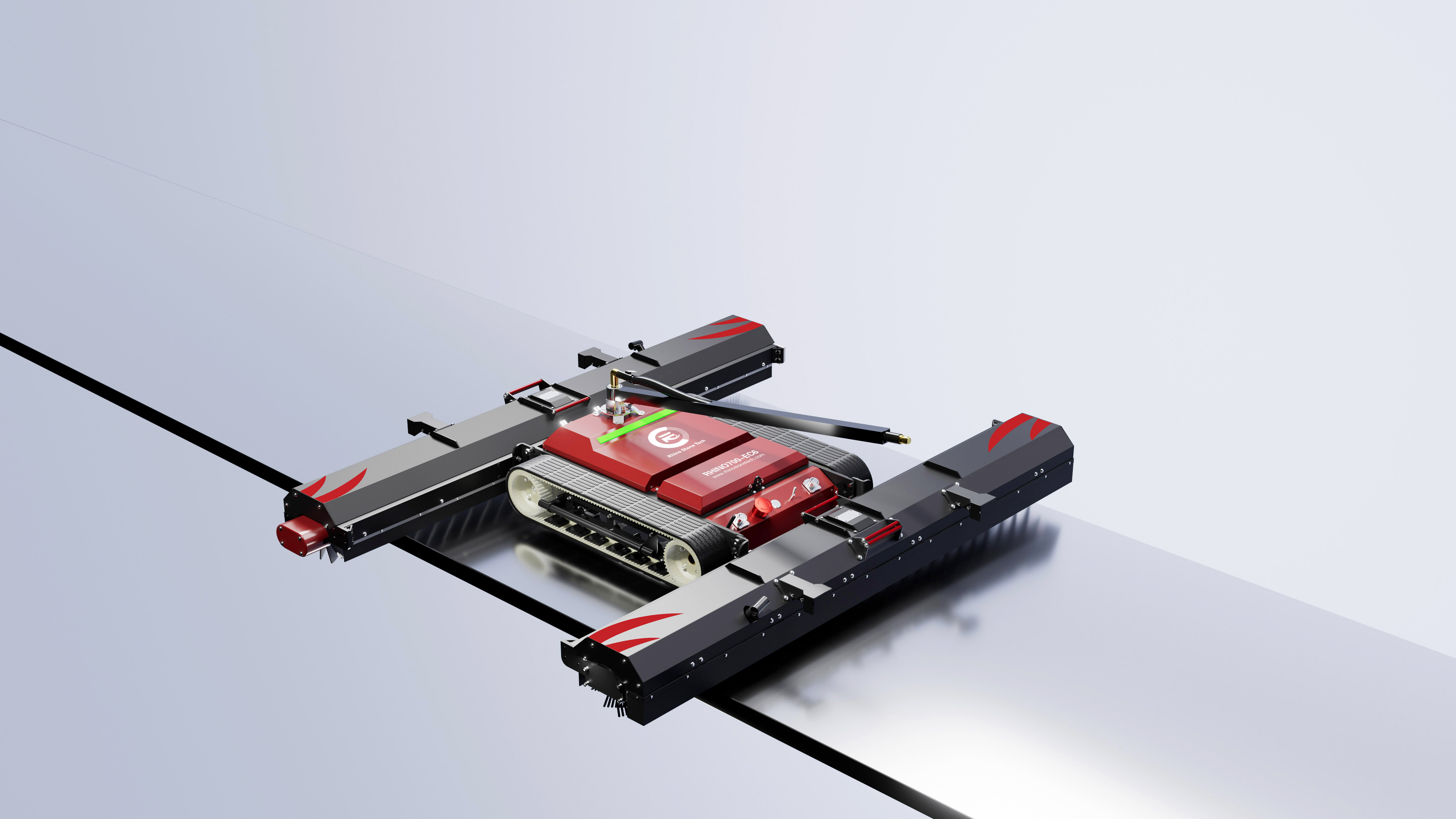
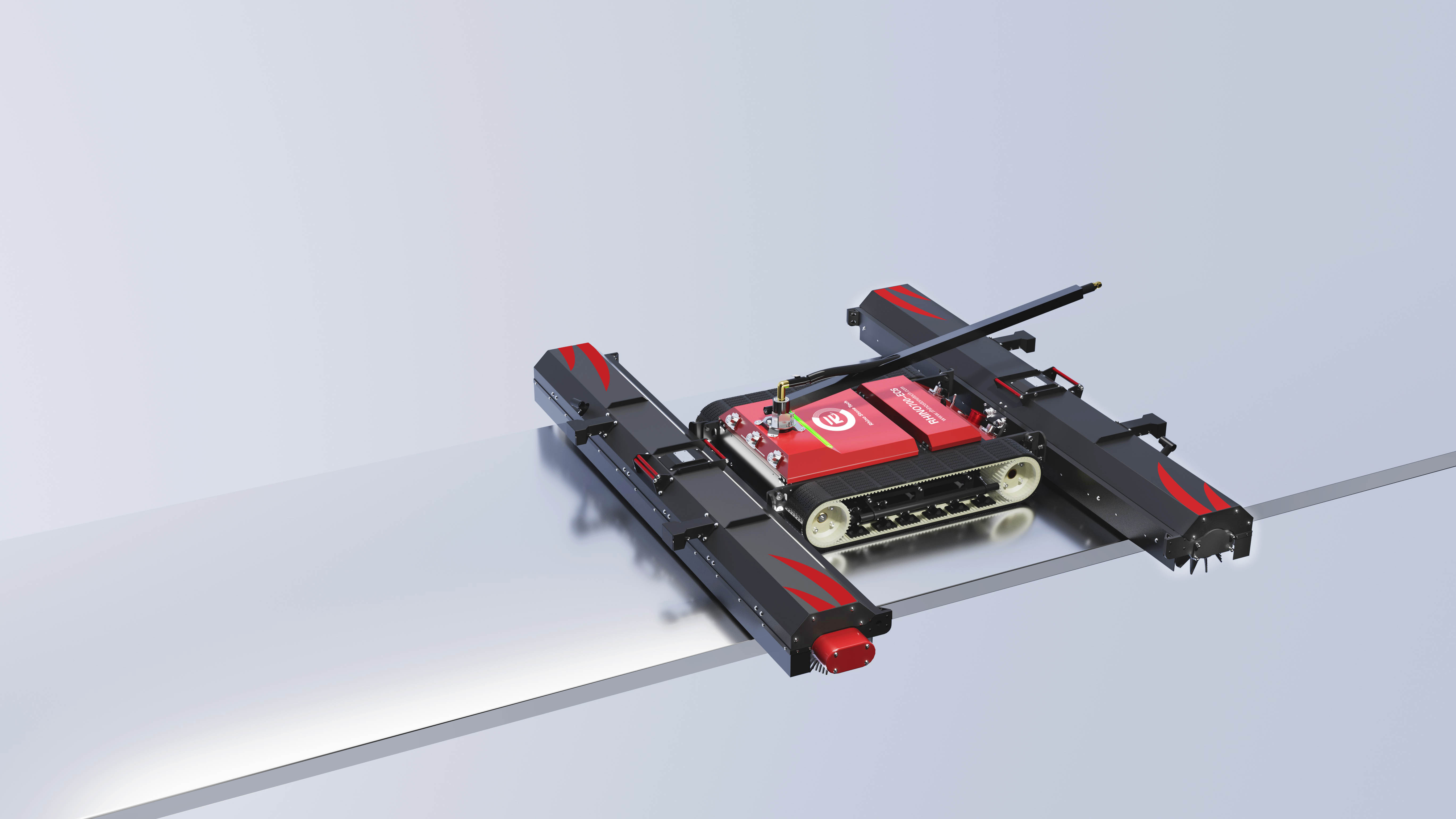
This research indicates that professional cleaning remains an effective method for restoring PV module performance affected by pollen contamination.
Why Is Rainfall Unable to Easily Remove Pollen from PV Modules?
Research suggests that this is closely related to the characteristics of pollen itself.
1. Pollen Can Form Persistent Residue
Pollen particles can easily adhere to the glass surface of PV modules. Under the influence of humidity and rainfall, some pollen may form relatively stable residue layers that are difficult to completely remove through natural rainfall.
2. Uneven Contamination Distribution Can Cause Localized Impact
Observations from the study showed that even after continuous rainfall, visible pollen residue remained on module surfaces. These contaminated areas can reduce light transmission and continue to affect PV performance.
Therefore, rainfall can only reduce part of the contamination and cannot completely replace effective PV module cleaning.
3 Key O&M Insights for PV Plants During Pollen Season
For PV projects located near forests, agricultural areas, and regions with high vegetation coverage, the impact of pollen contamination requires greater attention.
1. “High Rainfall Does Not Mean No Cleaning Required”
Frequent rainfall does not always mean that PV modules remain clean.
2. Pay Attention to the Pollen Season
It is recommended to evaluate module contamination after the peak pollen season (for example, June–July in some regions).
3. Proper Cleaning Strategies Help Reduce Long-Term Energy Loss
Developing cleaning plans based on actual contamination conditions can help reduce energy losses caused by persistent soiling.
Conclusion
Pollen contamination is an easily overlooked type of PV soiling, but its impact on PV module performance can persist over time.
For solar projects operating in complex environments, regularly evaluating contamination conditions and adopting scientific, efficient cleaning strategies can help maintain long-term module performance and operational stability.
Reference
Bessa, J. G. et al. (2024). An Investigation on the Pollen-Induced Soiling Losses in Utility-Scale PV Plants. IEEE Journal of Photovoltaics, 14(1), 178-184. DOI: 10.1109/JPHOTOV.2023.3326560.