
Motors rarely get much thought until one fails. In solar panel cleaning equipment, that failure usually happens at the worst possible time. Whether a cleaning robot or brush runs on a brushed or brushless motor shapes almost everything about how it performs: how long it lasts, how often it needs servicing, and how much that servicing ends up costing. Here's how the two actually compare, and why brushless motors (often referred to as BLDC motors) have become the default in most solar panel cleaning equipment today.
How They're Built: Two Different Ways to Switch Current
The split between brushed and brushless motors comes down to one thing: how the current gets redirected as the rotor spins.
A brushed motor does this mechanically. Carbon brushes press against a commutator, physically switching power between windings as the rotor turns. It's the oldest motor design still in wide use, and its main selling points are simplicity and low cost.
A brushless (BLDC) motor skips the physical contact entirely. An electronic controller tracks the rotor's position, often with help from an encoder or similar sensor, and switches current through the stator windings at exactly the right moments. With no brush-to-commutator contact, the main source of electrical and mechanical wear is eliminated.
That one design choice, contact versus no contact, drives nearly every other difference between the two.
Where the Numbers Actually Diverge
Brushed motors rely on constant physical contact, and that's also where their weaknesses come from: friction eats into efficiency, and the brushes themselves wear down over time. Brushless motors avoid this entirely.
| Brushed Motor | Brushless Motor | |
| Commutation | Mechanical (brush + commutator) | Electronic |
| Typical efficiency | ~70-80% | ~85-93% |
| Typical service life | ~1,000-8,000 hours | ~10,000-30,000 hours or more |
| Main wear point | Brush and commutator wear | Bearing wear (no brush contact) |
| Maintenance | Periodic brush replacement | Far less frequent |
| Upfront cost | Lower | Higher |
*Figures reflect typical ranges across common applications. Actual performance depends on motor design, load, operating conditions and usage pattern.
Brushless motors also tend to run cooler and quieter, since there's no arcing or friction generating heat and noise.
Servo Isn't a Synonym for Brushless
It's a common mix-up: assuming "servo motor" and "brushless motor" mean the same thing. They don't. They describe two separate things entirely.
Brushed vs. brushless is about how current gets switched. Servo is about how the motor is controlled: a closed-loop system that uses feedback (typically from an encoder) to hold precise position, speed, or torque.
In practice, brushless motors are paired with servo control more often, simply because the efficiency and longevity of brushless designs pair well with the precision servo control adds. But brushed servo motors exist too, and plenty of brushless motors run without servo control. The two aren't locked together.
For solar panel cleaning equipment specifically, whether servo-level precision is worth it depends on the job. A solar panel cleaning robot that needs to track an exact path, with no missed strips and no overlap, benefits from it. A simpler cleaning brush usually doesn't need that level of control.
Why This Matters More for Solar Panel Cleaning Equipment
Solar panel cleaning equipment combines several conditions that are especially hard on brushed motors: long-term outdoor exposure, constant dust intrusion, and frequent or continuous operation. Once dust contaminates the brush-commutator contact, wear accelerates noticeably.
That risk gets amplified further depending on the setting:
Utility-scale solar farms cover a lot of ground, and manual inspection isn't cheap. A single brush-wear failure doesn't just take one unit offline — it can stall the cleaning schedule for an entire section.
Commercial rooftops and hard-to-reach installations make every service call expensive in time and labor. Brushless motors' longer maintenance intervals mean fewer trips out.
The Cost Math: Paying More Upfront, Saving More Later
Brushless motors cost more to buy. Over time, the math tends to flip:
· No brush replacements means lower ongoing parts and labor costs.
· Higher efficiency means more usable output per watt.
· A longer lifespan spreads the replacement cost over more years of use.
· Fewer failures mean less risk of a cleaning schedule getting disrupted.
For equipment running long-term, continuously, at scale, that math usually favors brushless. For something used occasionally with easy access for repairs, a brushed motor's lower price tag can still make sense.
Why Solar Panel Cleaning Equipment Is Moving Toward Brushless
Brushed and brushless motors each have their place. But solar panel cleaning equipment has a specific operating profile: long-term outdoor deployment, constant exposure to dust and particulates, and frequent, regular operation. Under those conditions, brushless motors have a clear edge — lower maintenance, longer service life, and more consistent performance over time.
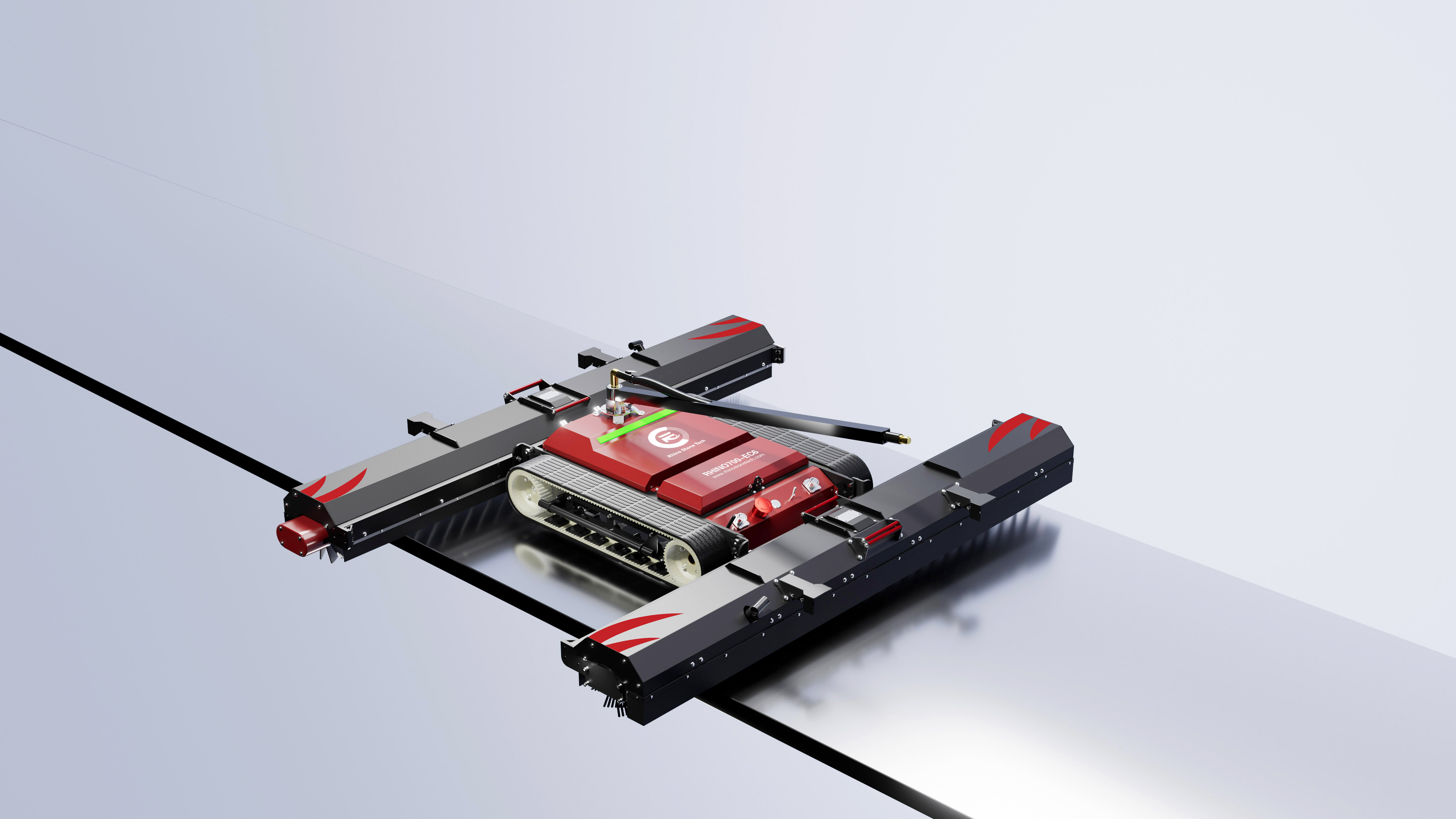
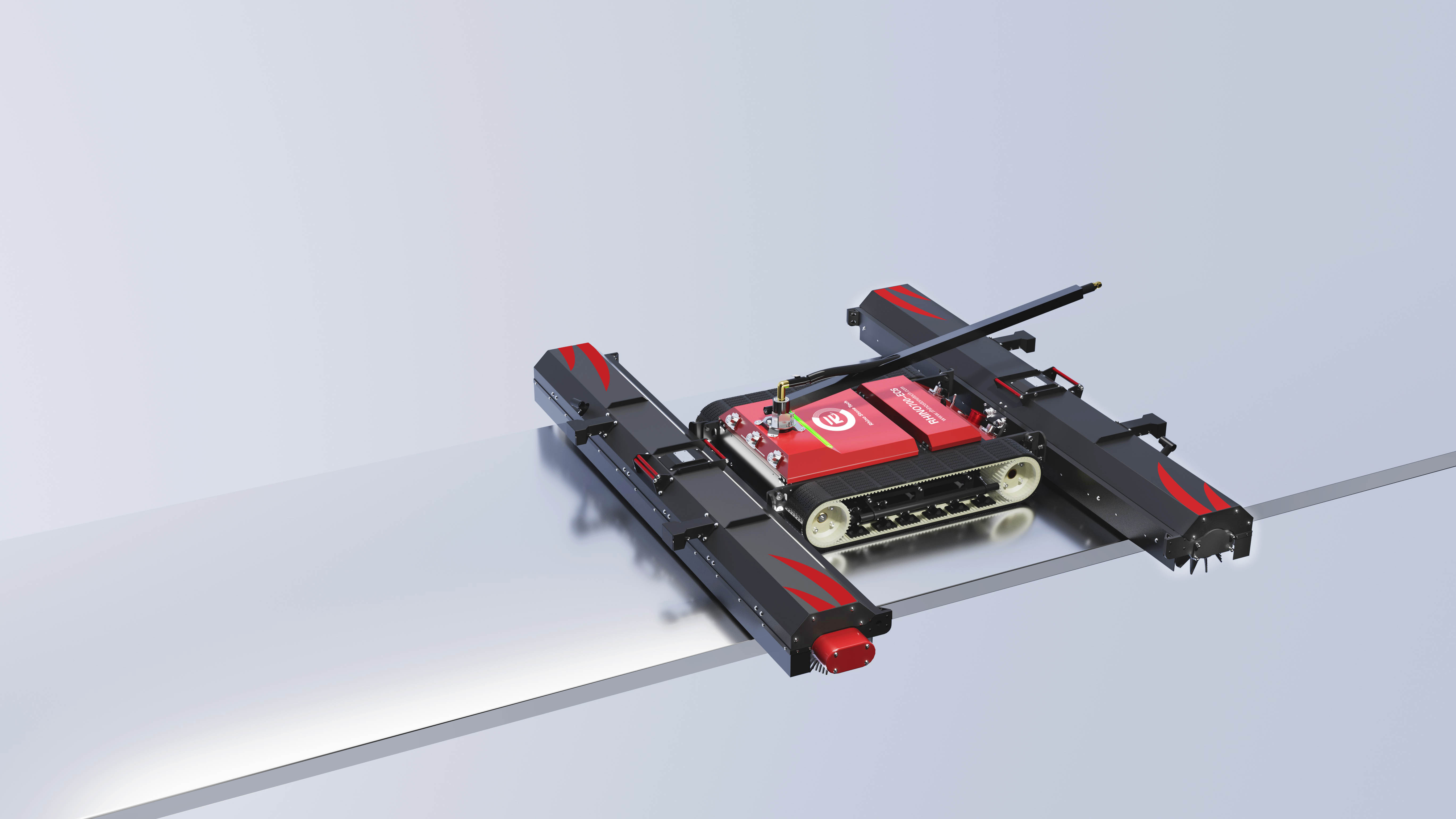
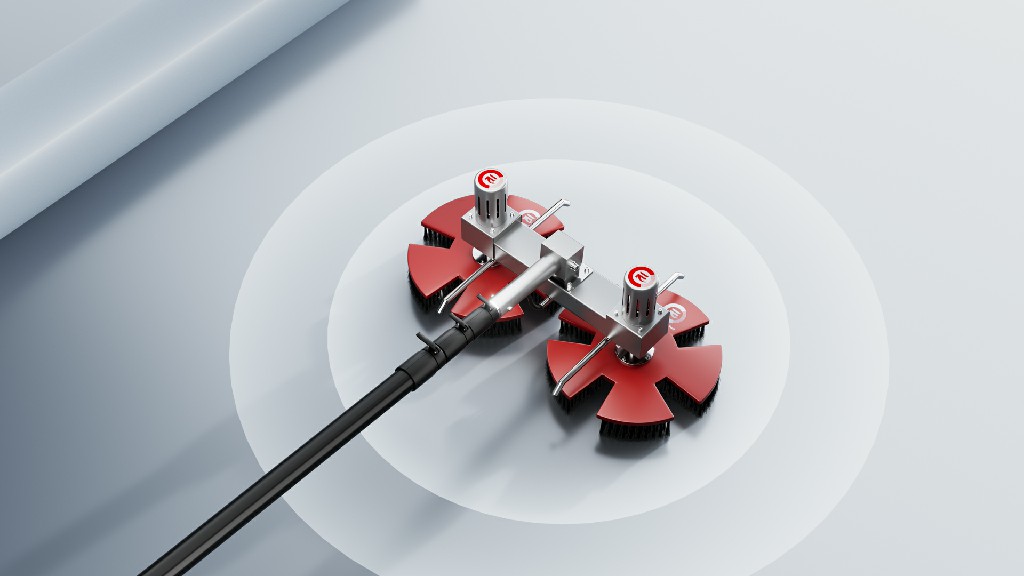
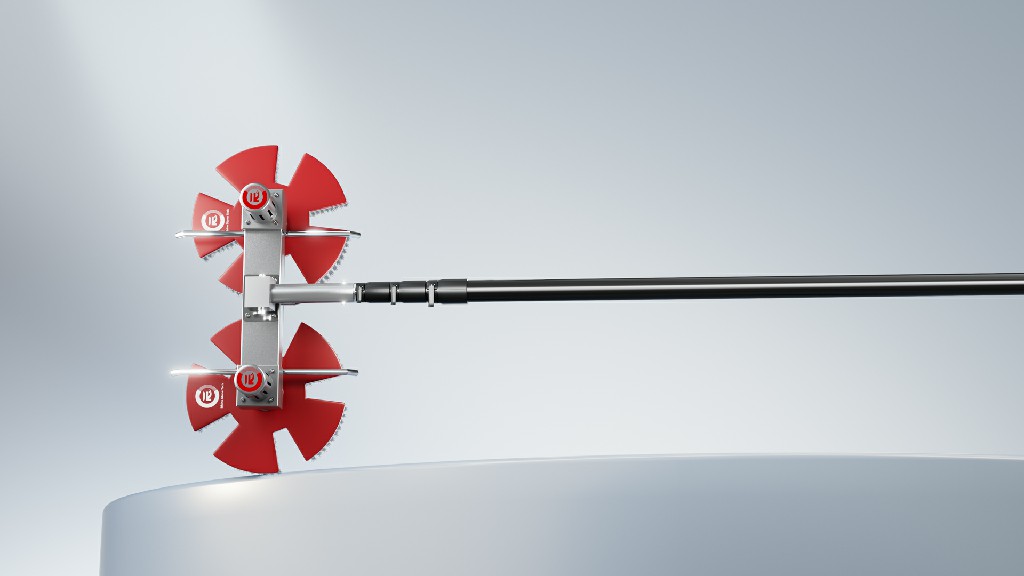
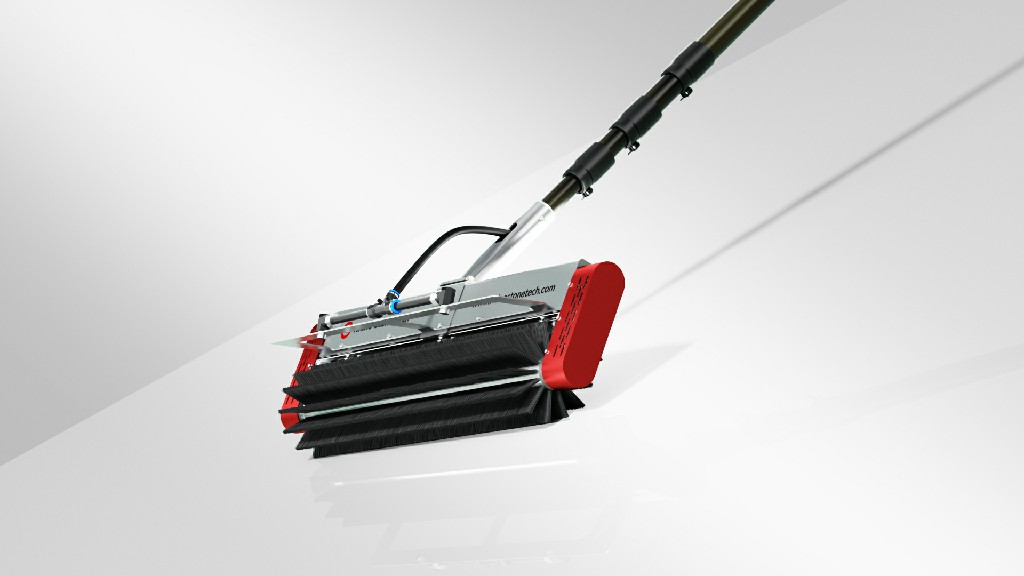
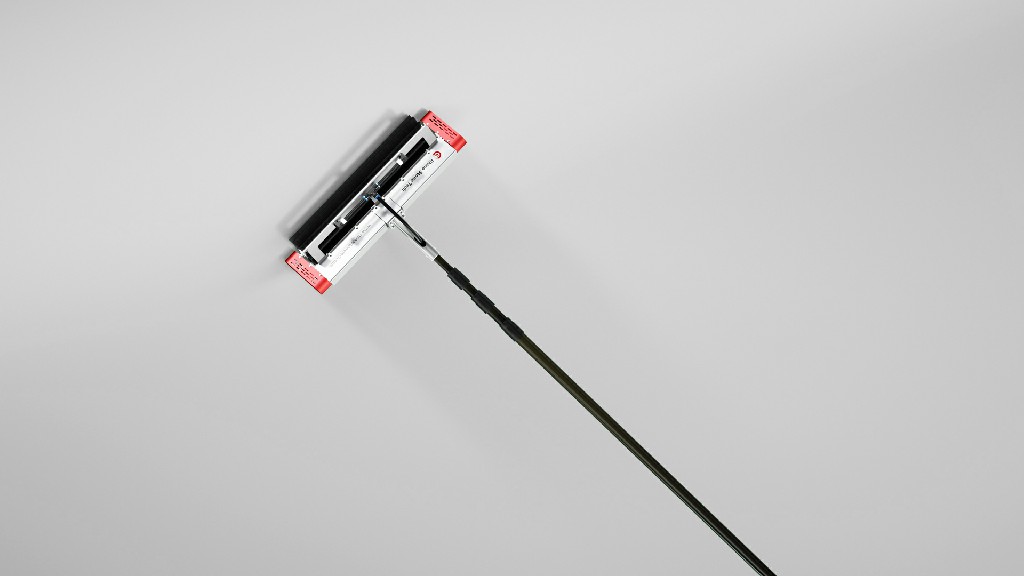
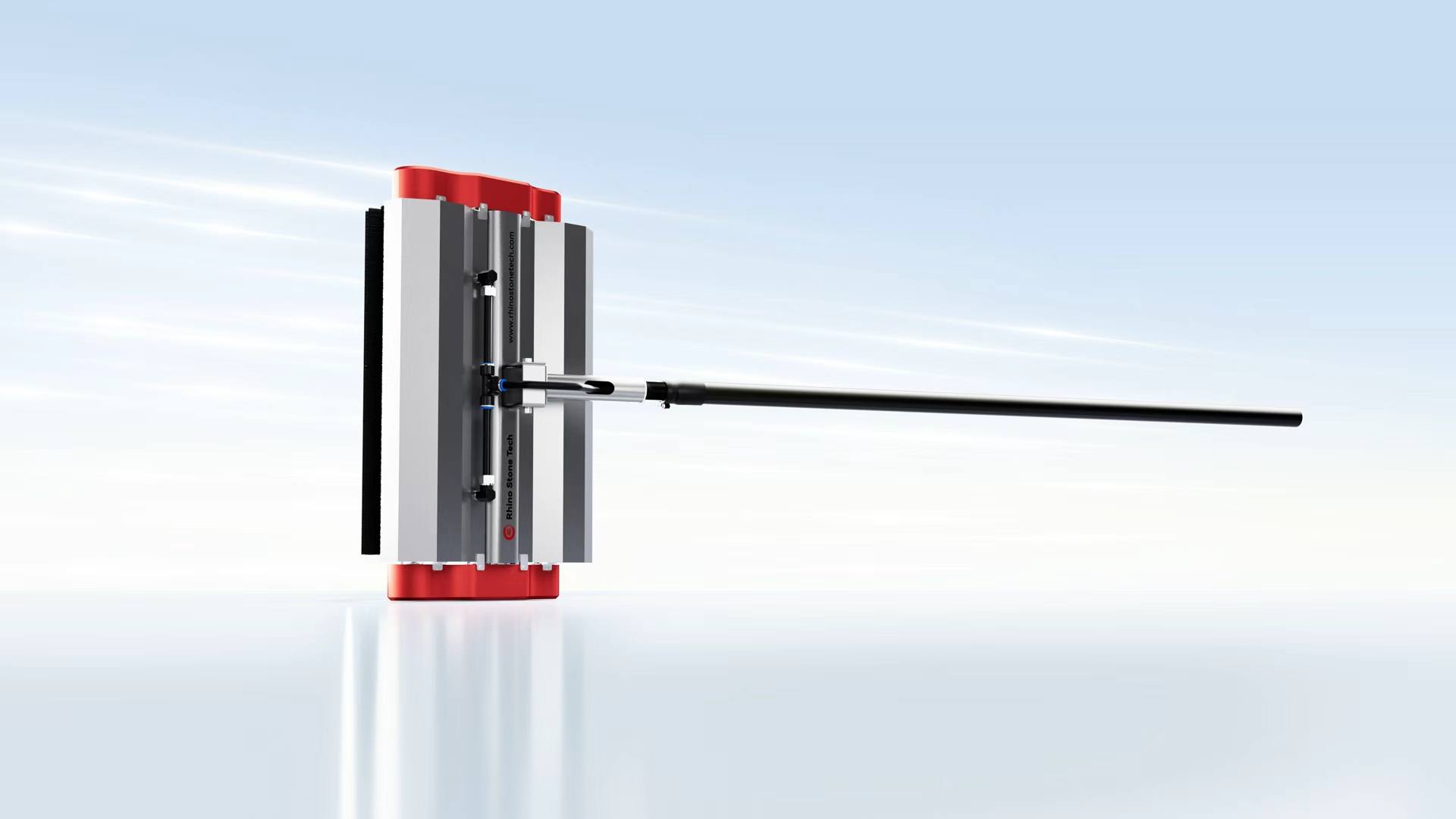
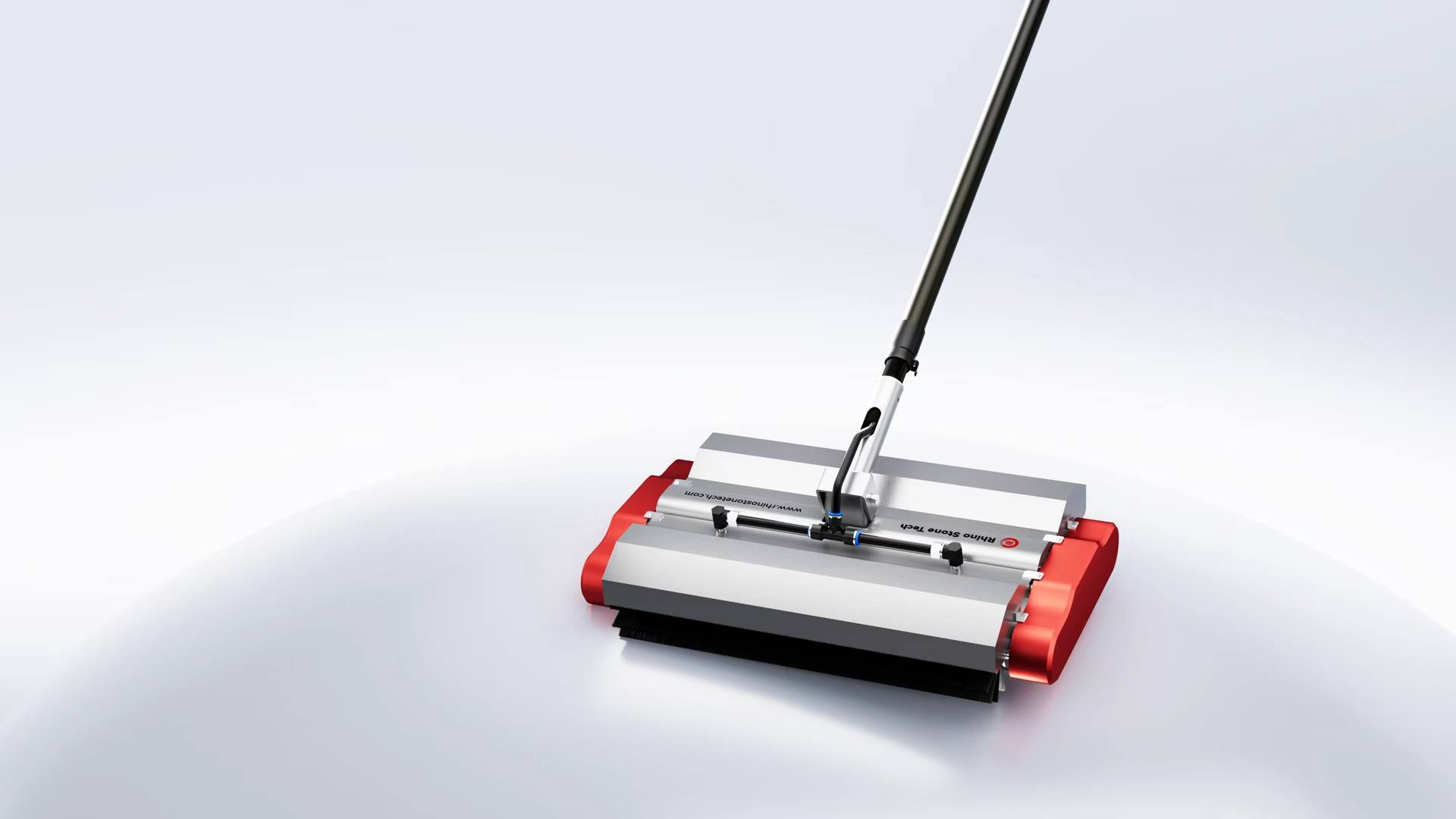
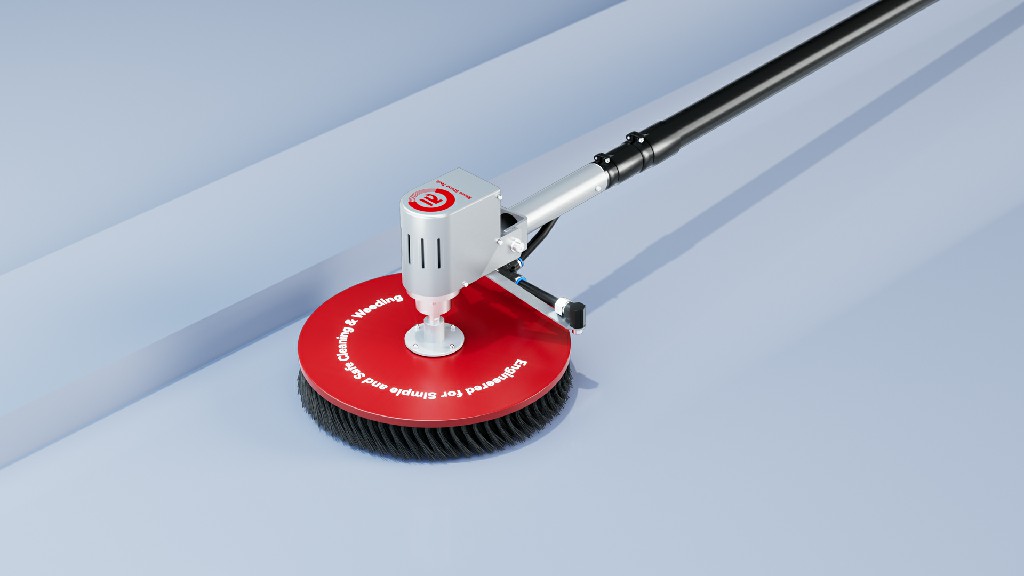
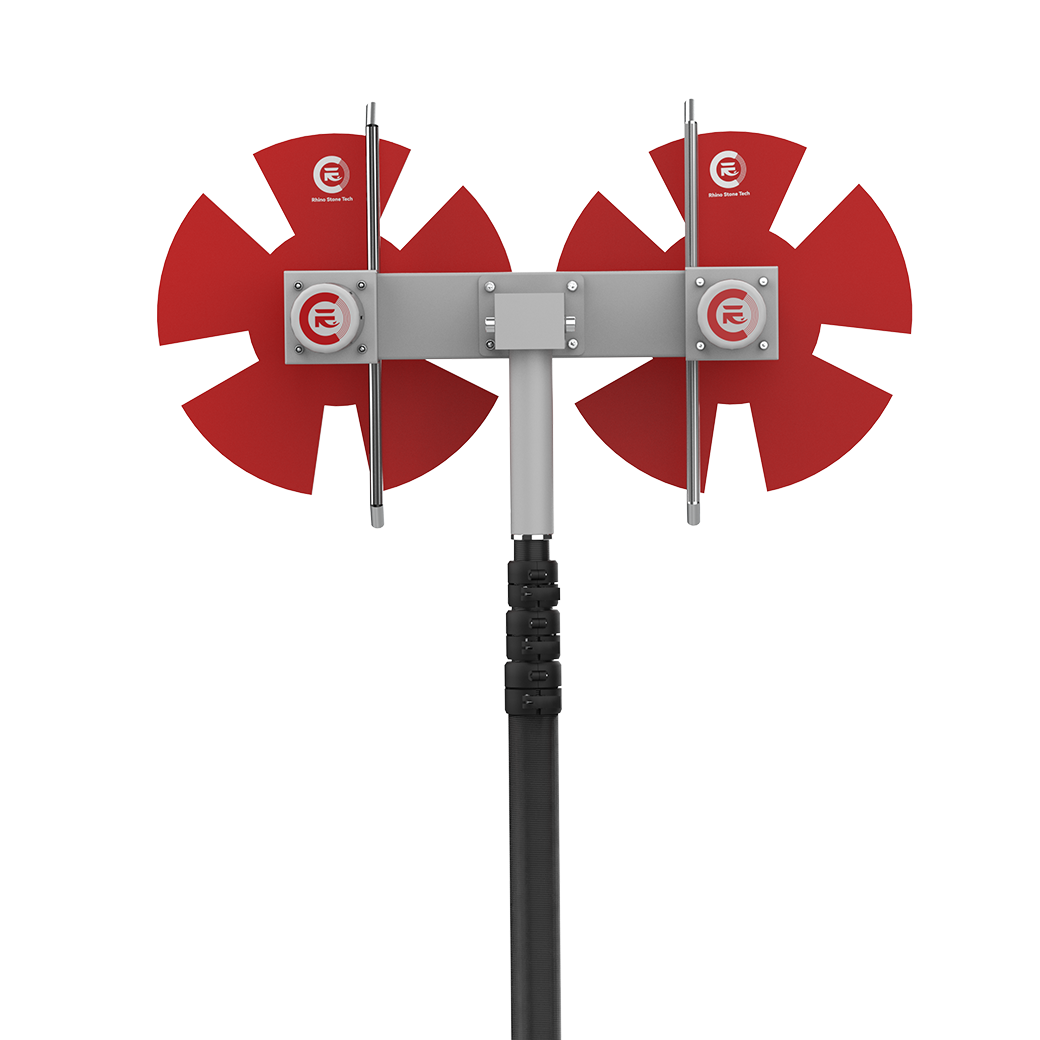
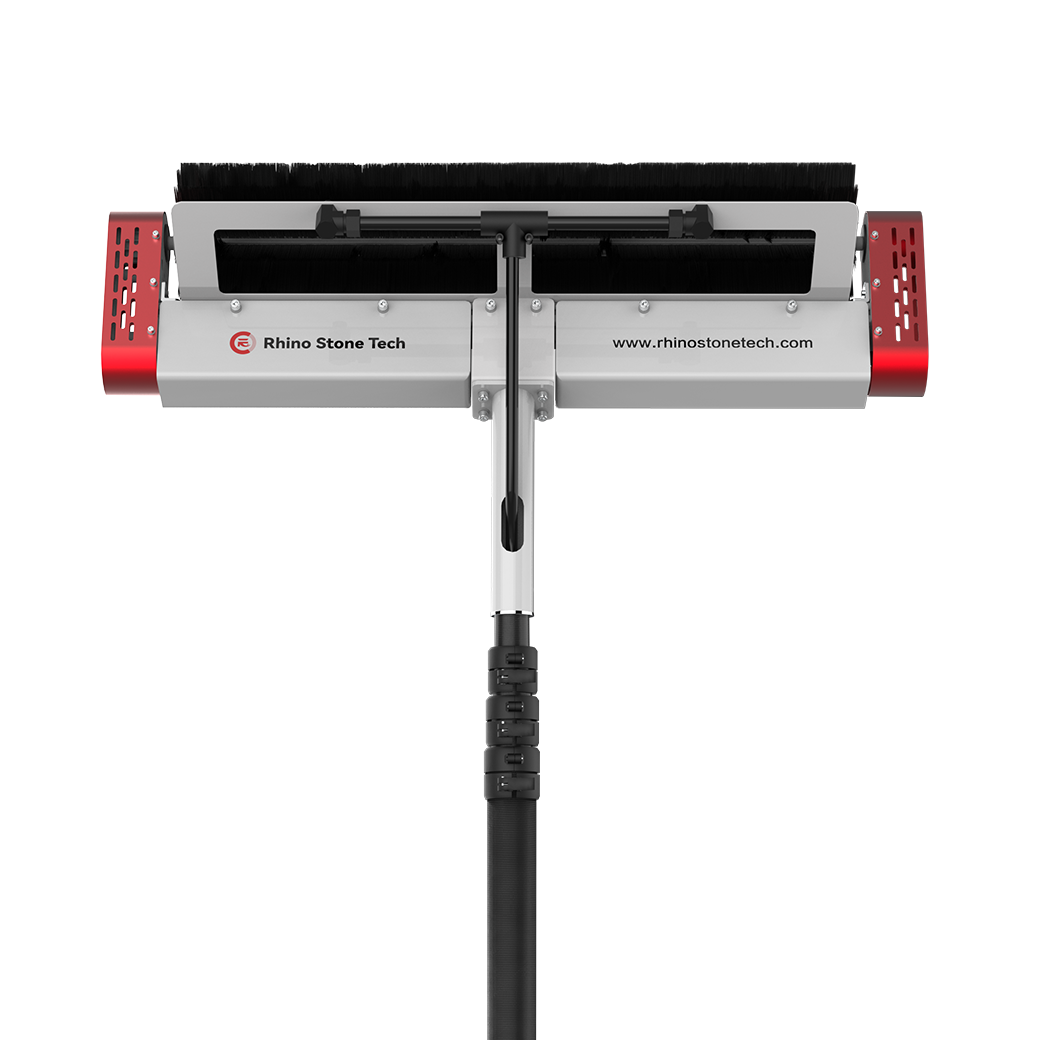
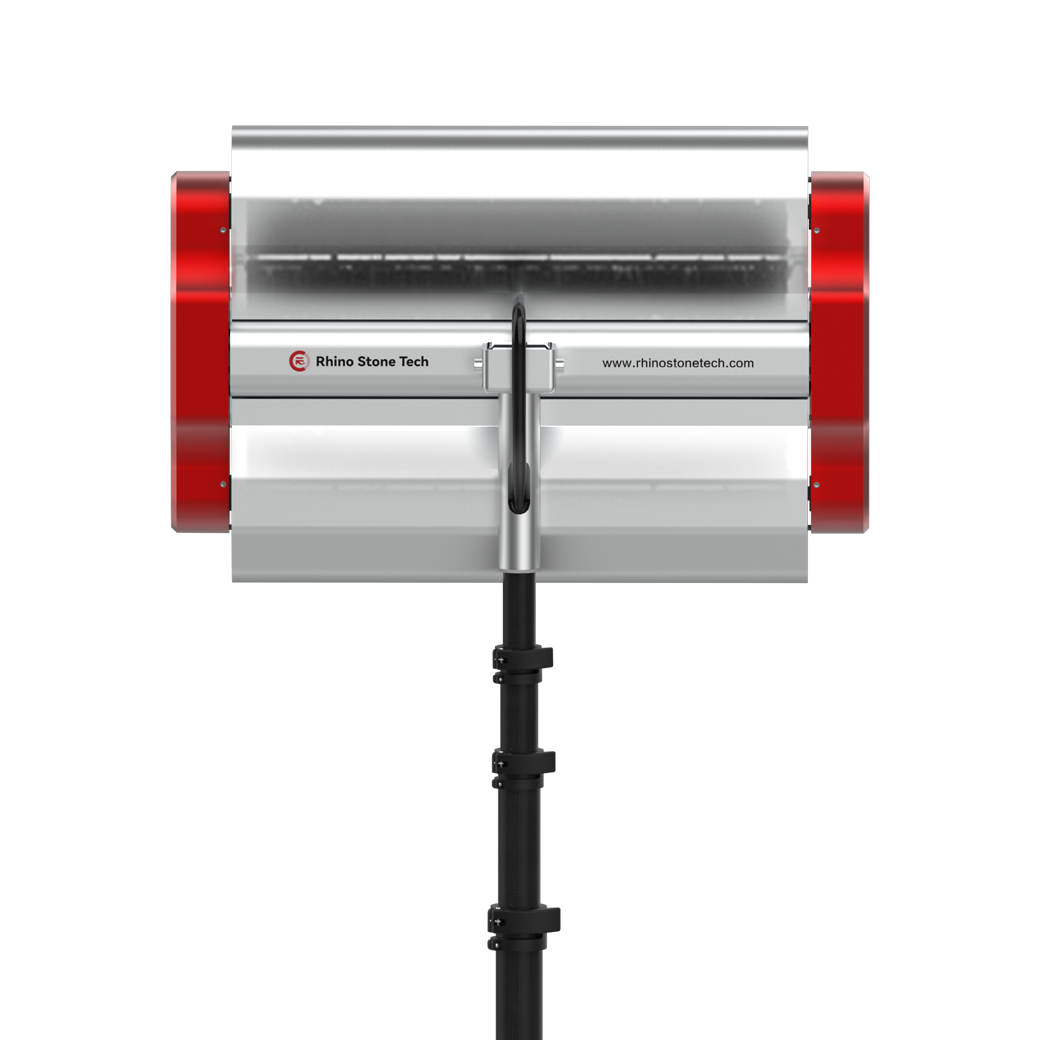
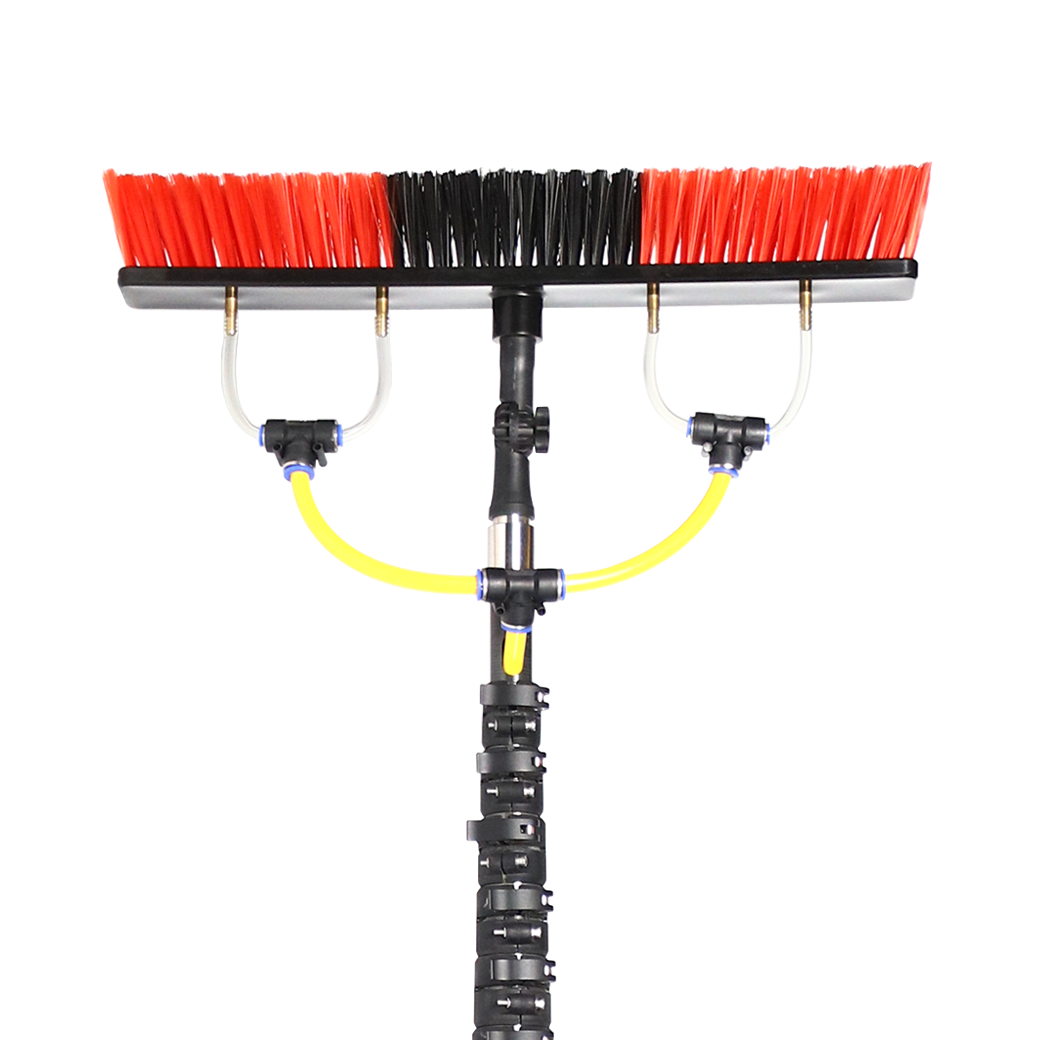
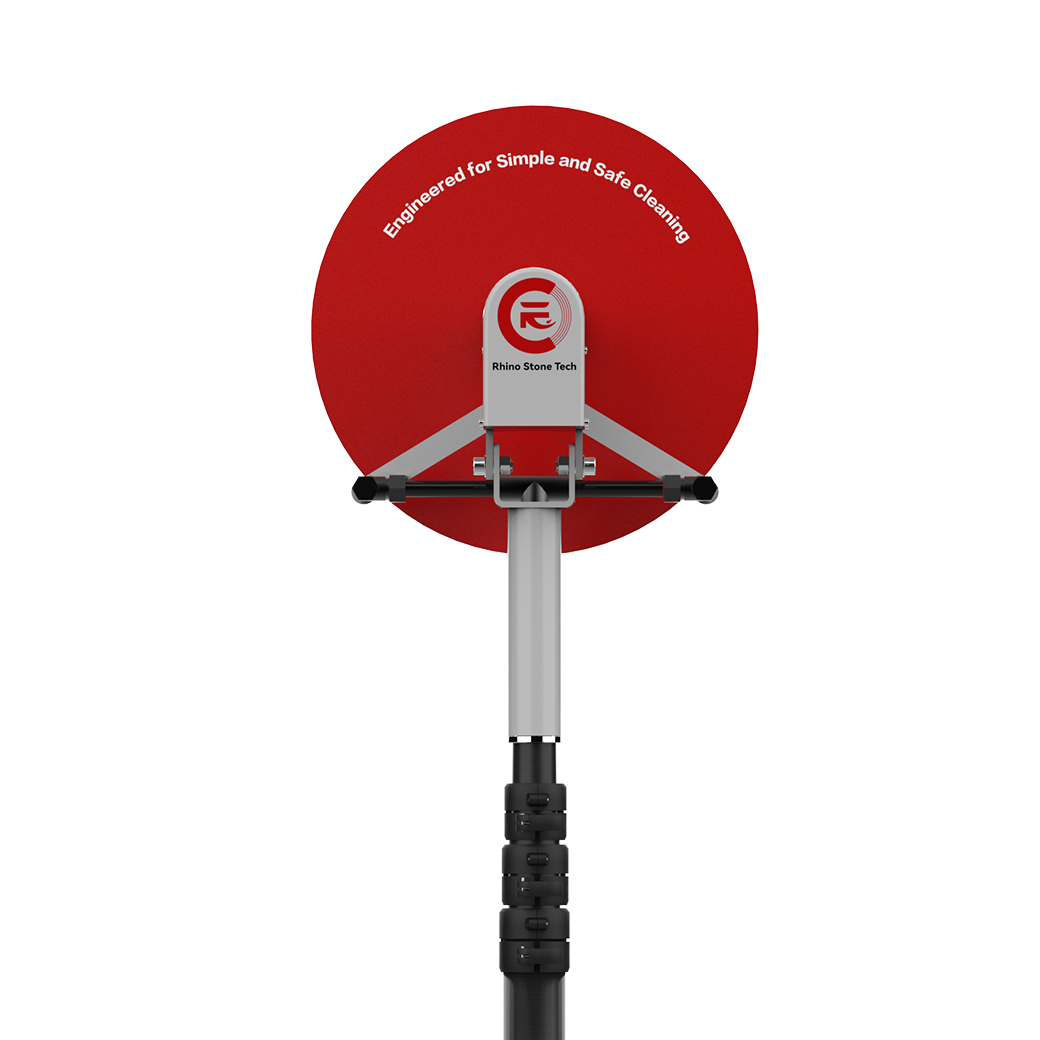
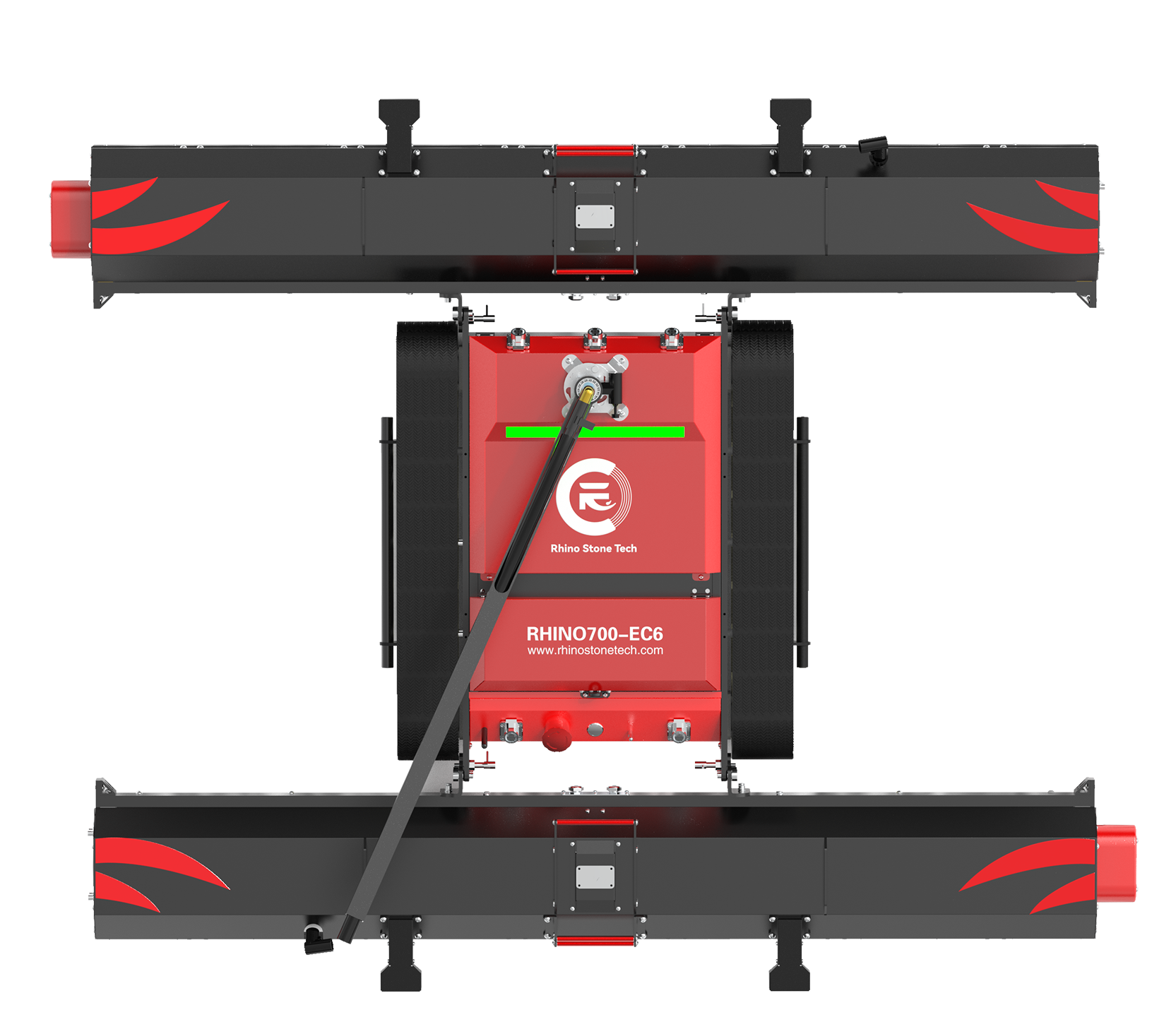
That's the reasoning behind RHINOSTAR's full lineup. Our RHINOSTAR solar panel cleaning robots and cleaning brushes run on brushless motors, designed for reliable long-term operation in demanding outdoor environments.
The motor is just one core component in a solar panel cleaning robot, but it has a lasting effect on reliability and operating cost. When choosing cleaning equipment, it's worth paying attention to the drive system, not just cleaning efficiency and features.
FAQ
Q: Which costs more, a brushed or brushless motor?
A: Brushless motors cost more upfront because of the added electronic controller. Factor in brush replacements and downtime, though, and brushless motors usually come out ahead over the long run.
Q: Are brushless motors really maintenance-free?
A: Not entirely. They eliminate brush wear, but bearings and other components still wear over time and need occasional checks, just far less often than with a brushed motor.
Q: Do all solar panel cleaning equipment use brushless motors?
A: No. Some products still use brushed motors, particularly models designed for high-torque output. It's worth confirming which type a product uses before buying, since it affects long-term maintenance and cost.
Q: Where are brushed motors still used?
A: Mostly in low-cost, low-frequency applications where servicing is easy, like electric screwdrivers and small household tools, and in some industrial equipment where simple control is enough.