
At a large ground-mounted plant, the question is not simply whether a robot can clean a panel. It must reach the array, cross panel gaps, hold traction on the slope and be controlled safely by one operator through a full work day. An 18 kg crawler that fits one site may fall short at another because row spacing, tilt, panel gaps and transport routes differ. Use the site's measured conditions to set the required specification, then check the robot against the worst case rather than the average row.
Why Crawler-Type Robots Are Considered for Large Ground-Mounted PV Plants
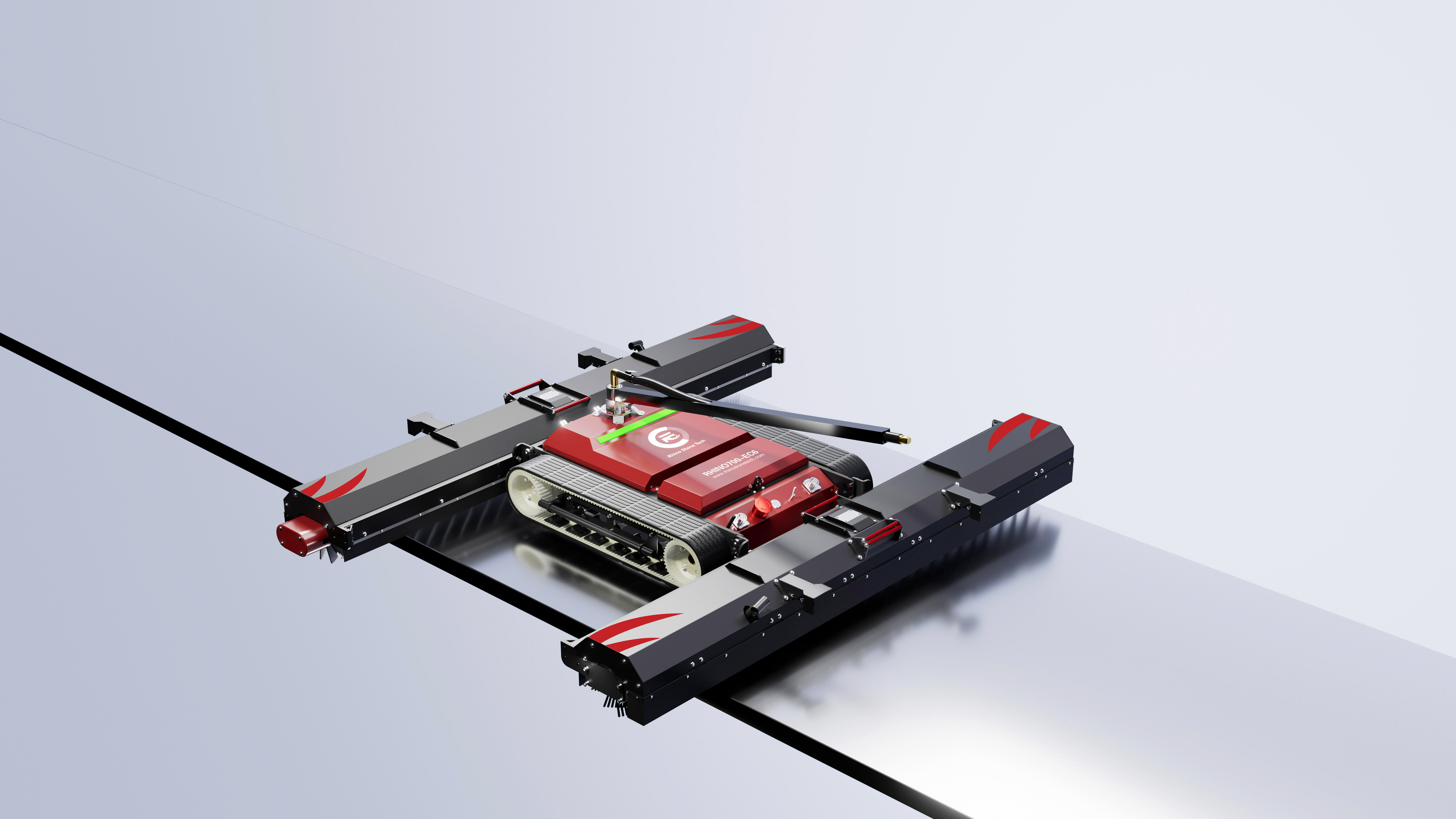
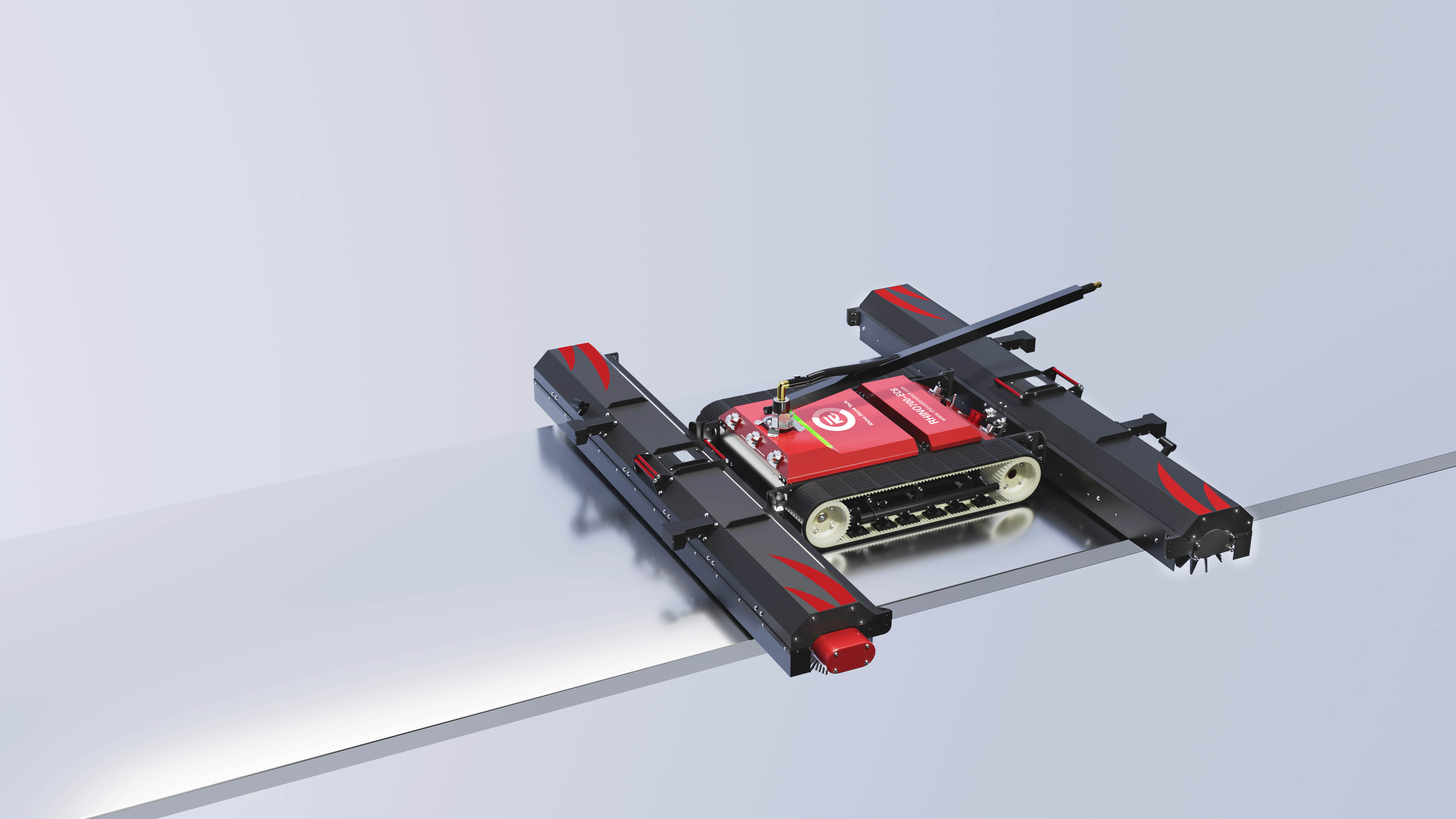
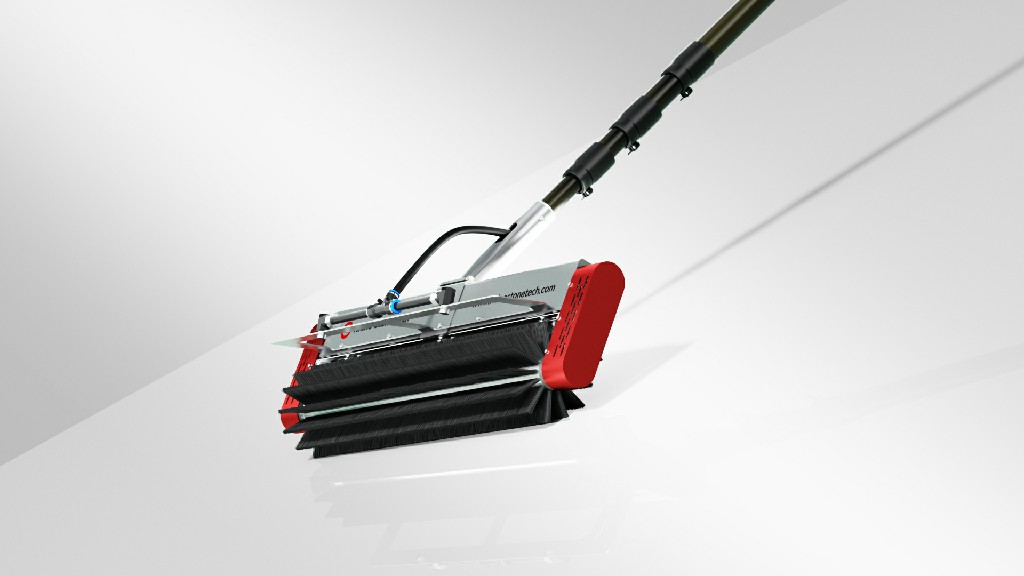
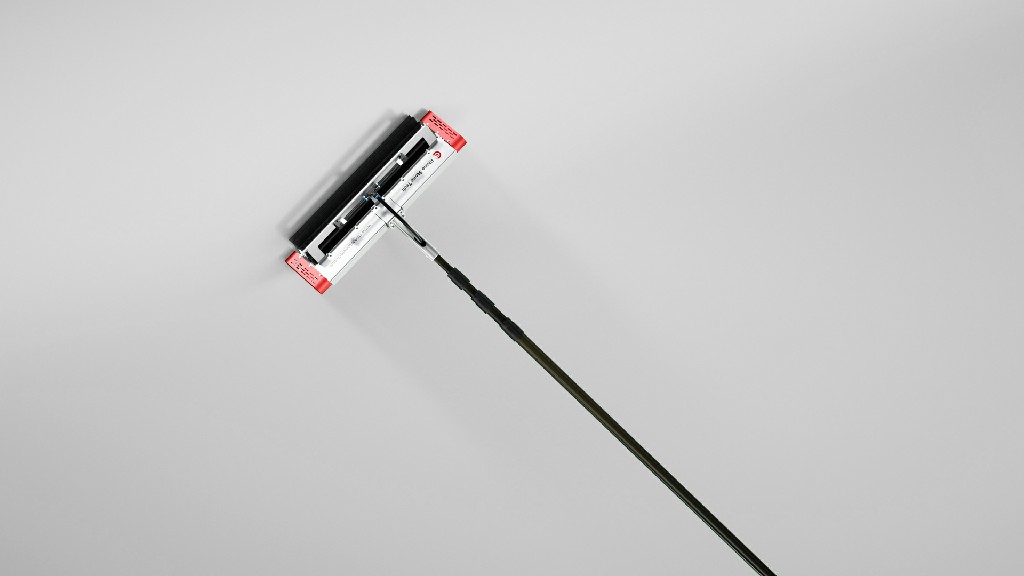
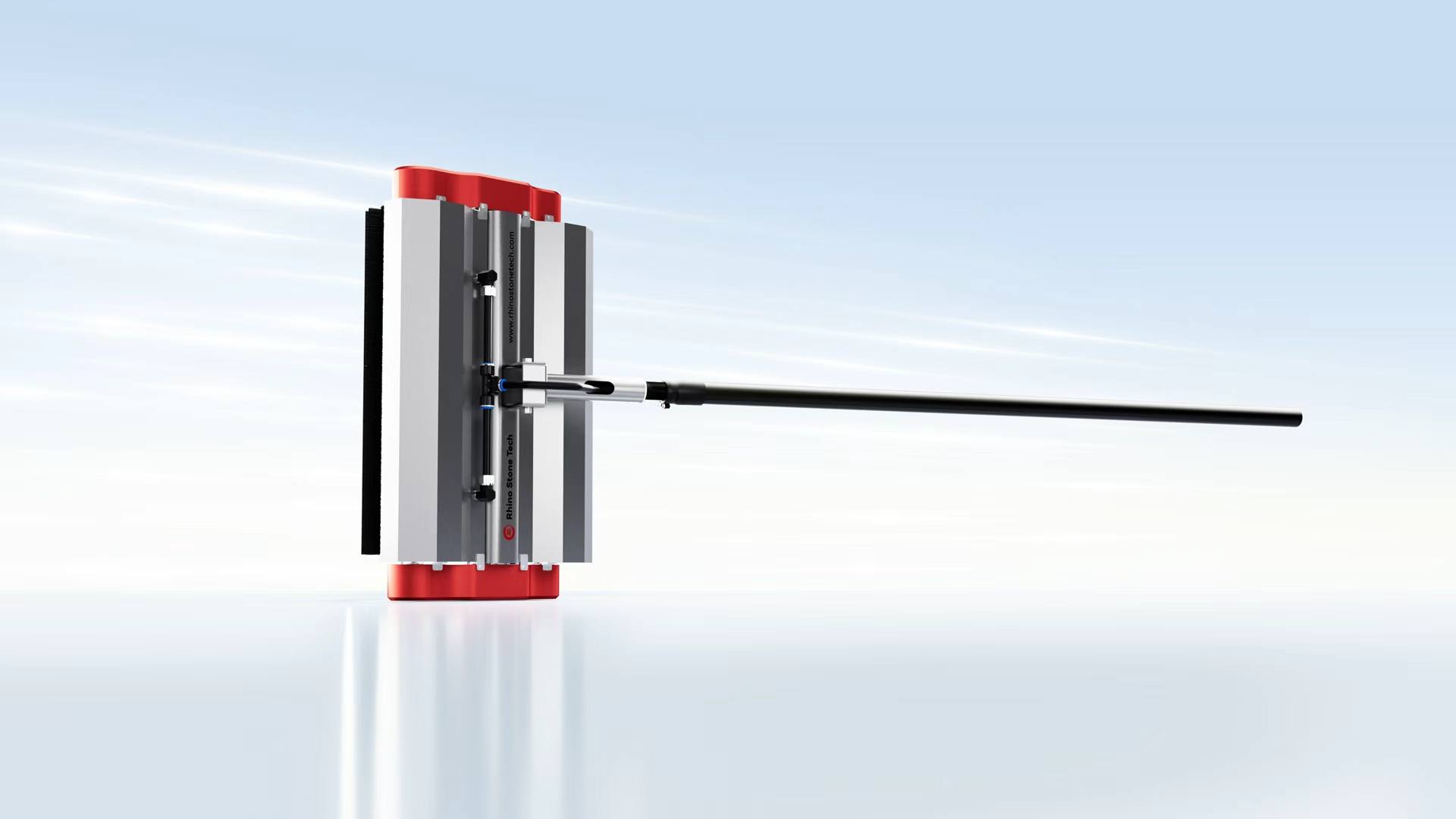
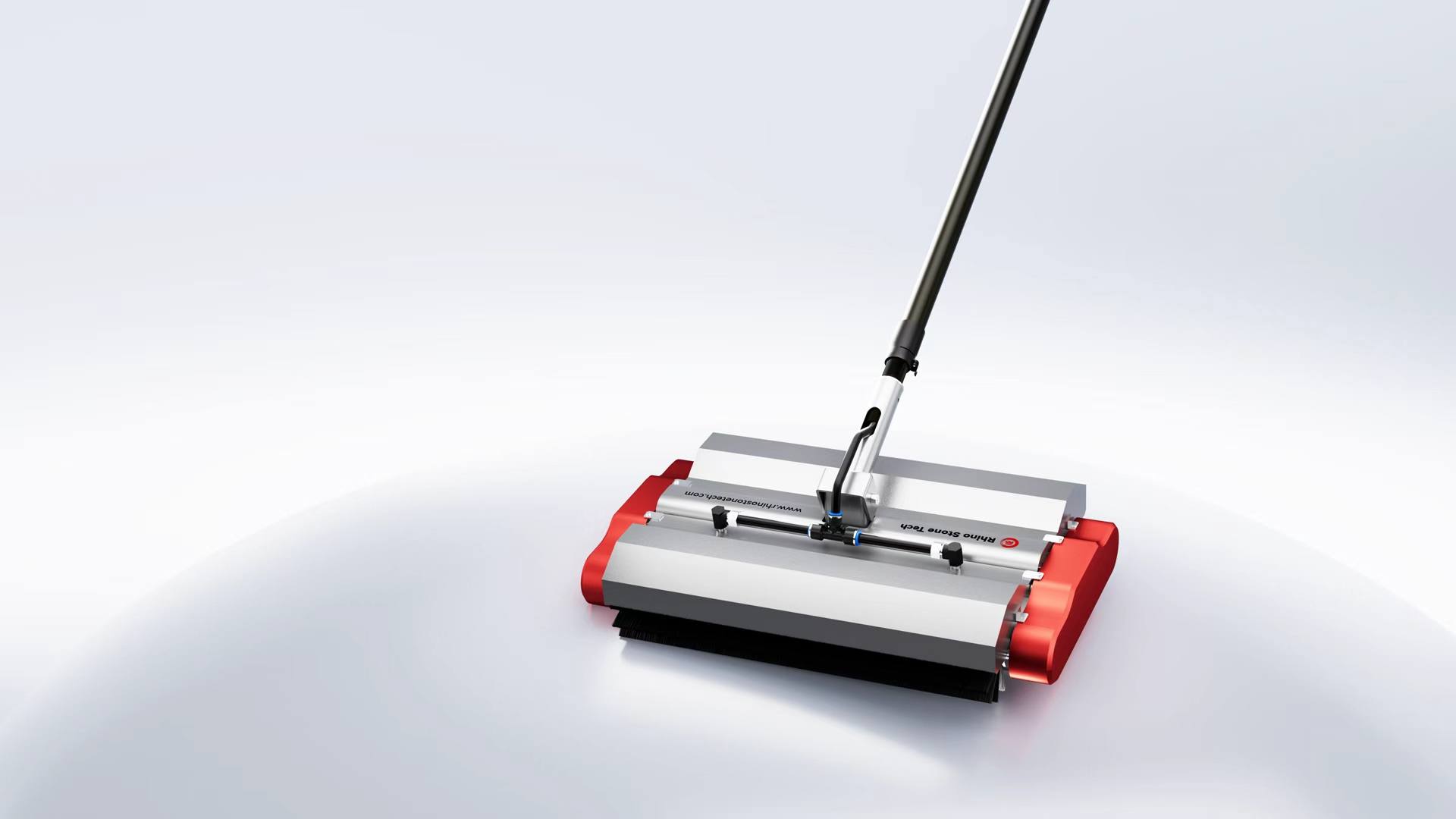
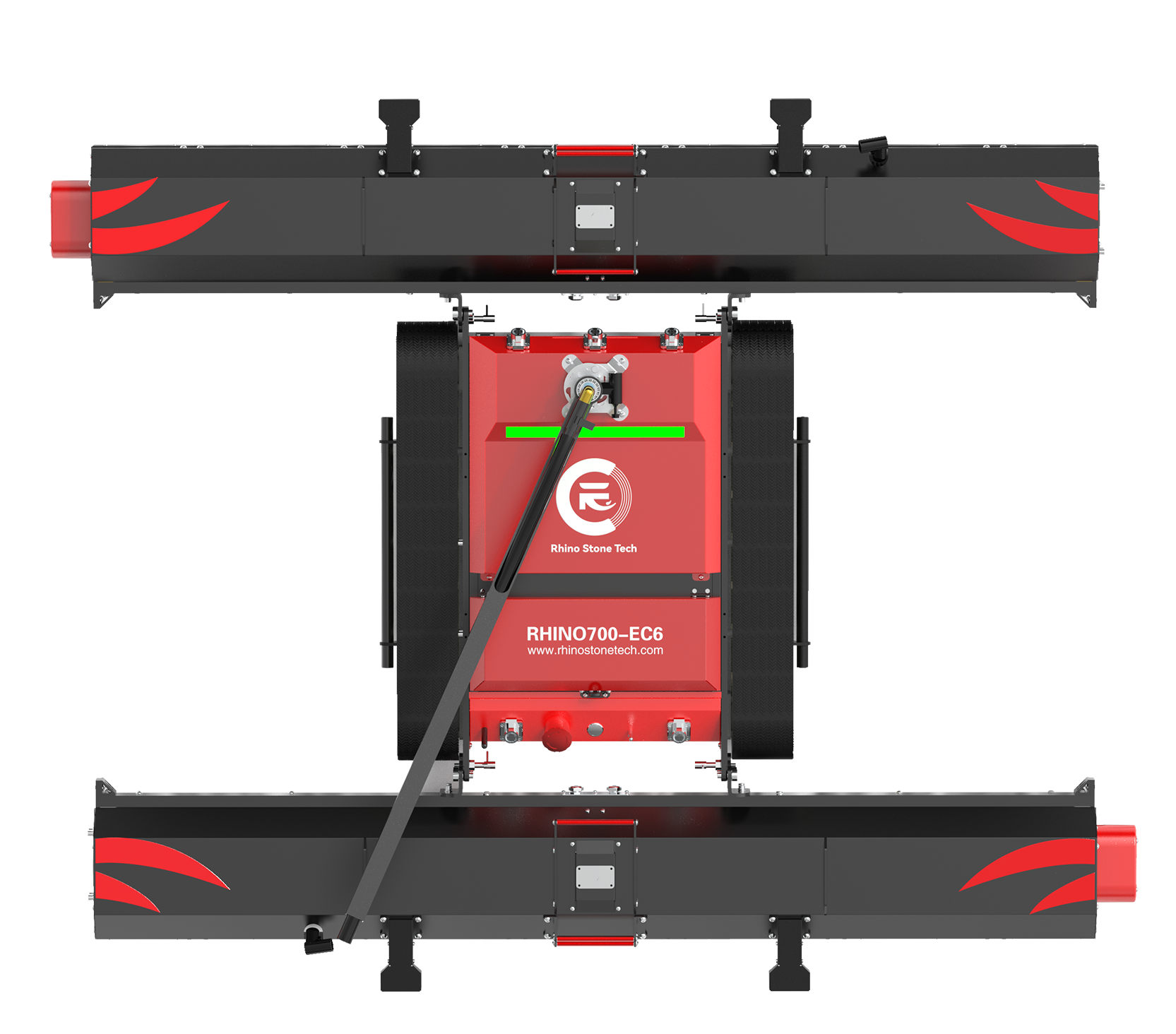
Soiling losses reduce generation every day, and cleaning a wide array by hand is slow, labor-intensive work. A crawler-type robot cleans panels at a steady pace without placing workers on every array surface. Its tracks spread weight across a wider contact patch than wheels, which helps on inclined glass and loose ground-mount conditions. Remote control keeps the operator away from the array edge while monitoring movement through the rows. For utility-scale work, that combination supports a planned cleaning routine around generation forecasts and soiling patterns. The practical case rests on repeatable access. A remote-controlled crawler can cover long rows at a steady working pace while one operator monitors the route, adjusts the floating roller brush over panel transitions and repositions the machine at row ends. On a plant with many tables and repeated row changes, the value comes from reducing manual handling and keeping the cleaning schedule tied to measured soiling, water availability and generation recovery. The RHINOSTAR-EC6 uses a 1370 × 1200 × 180 mm body and an 18 kg chassis. The three-piece modular structure lets one person move the sections through standard access routes and assemble them in about 2 minutes. Under standard conditions, the reference capacity is about 1–2 MW per day with one operator who controls the robot and watches the route. Gate access, equipment roads and row clearance still require operator judgment on a large site, so the deployment plan should include transport paths and safe turning points before the first cleaning cycle.
How Tilt, Row Spacing and Panel Gaps Change Robot Requirements
Array tilt affects plane-of-array irradiance, and it also sets the physical slope the tracks must hold. Row spacing and panel gaps define the crossing distance; poor array access makes transport and remote range more important. Measure the real layout first, then check the machine against the most difficult section rather than an average row. This sequence matters because a plant can have comfortable access at the center and a narrow service road, steep table or wide drainage gap at the boundary. The cleaning plan should identify those boundary conditions before the machine is matched to the site.
1. How Widened Rubber Tracks Affect Grip on Inclined Glass
Rubber on glass provides friction, but contact area and tread pattern determine whether the robot holds traction on a steep incline. As array tilt rises, the component of gravity pulling the machine along the glass increases, so the track system must generate enough friction to keep motion controlled. The 100 mm widened heart-shaped rubber tracks increase the contact footprint and add edge grip. That footprint supports the RHINOSTAR-EC6's 33° incline rating and helps spread the chassis load across the glass instead of concentrating it at one point. On damp mornings, after rain or under heavy soiling, bare glass can be slicker, so pair the incline rating with track design and route planning around unusually steep or wet sections. Operators should also check that the entry and exit points align with the track width and that cable trays or frame edges do not interrupt the contact patch.
2. What 60 cm Panel Gap Crossing Means for Irregular Array Layouts
A 60 cm panel gap crossing rating allows the robot to move across sections that are not on one continuous plane. Real ground-mount arrays include junction boxes, drainage gaps, cable trays and slight elevation changes between modules. Without reliable gap crossing, the crew must fill the gap or lift the robot over it, which slows the cleaning cycle and increases manual handling. The RHINOSTAR-EC6 can cross gaps up to 60 cm, which covers common ground-mount spacing and many irregular blocks. If the widest gap exceeds 60 cm, plan a separate crossing method or adjust the route. Record the widest actual gap and the number of gaps near that limit, because one oversized gap can break a row into an inaccessible segment. The same survey should note gap edges, raised frames and any drainage covers that could disturb the track path.
Building a Technical Brief for Crawler Robot Suppliers
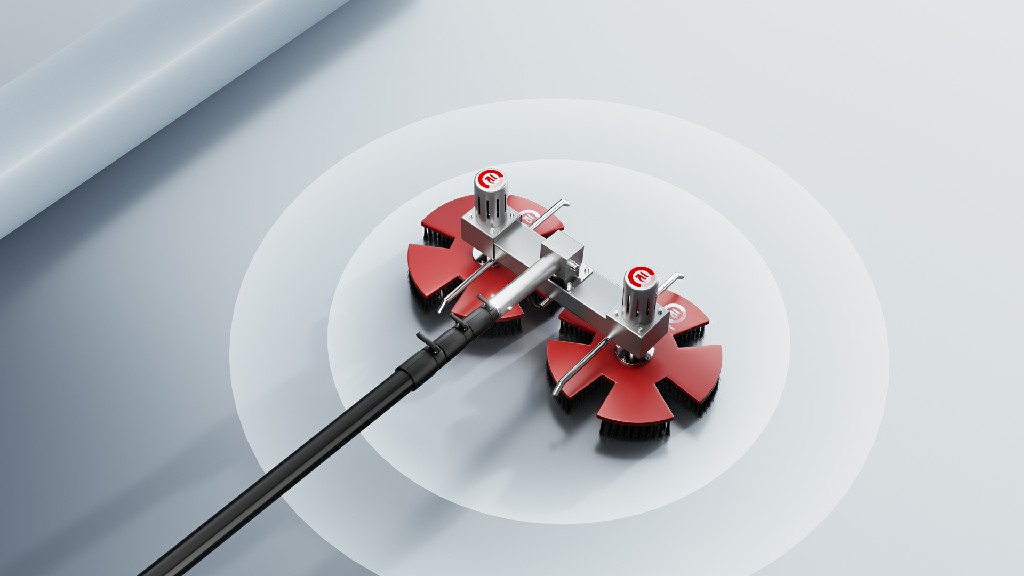
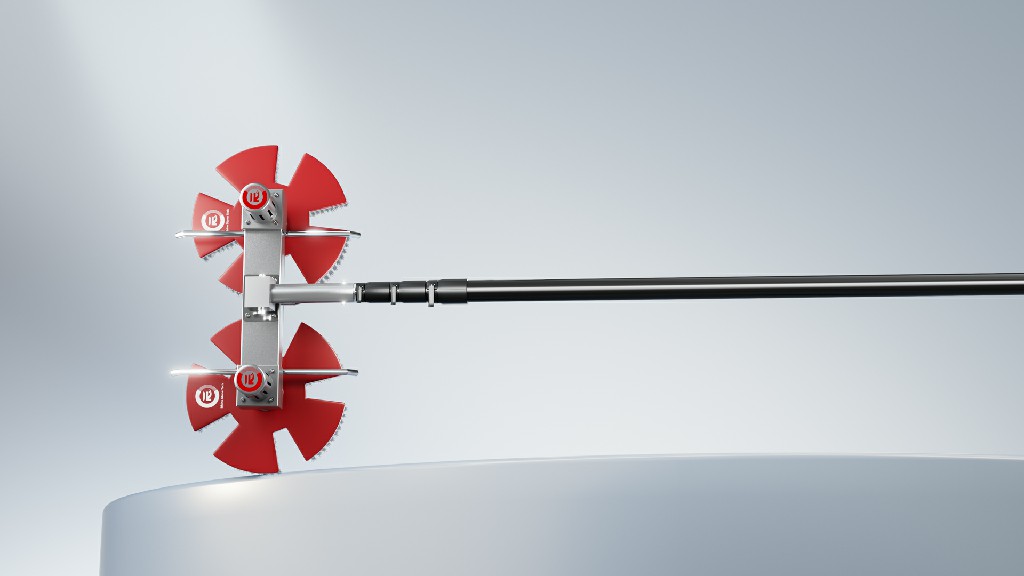
A useful brief starts with measured numbers: maximum and typical tilt, row spacing, widest panel gap, string length, gate widths, access doors, transport route, water availability and soiling severity. These values let a solar panel cleaning robot manufacturer compare the machine with worst-case conditions instead of catalog averages. The selection sequence should begin with the hardest row, then move to transport access, cleaning mode, operating envelope and service planning. That order prevents a specification that looks suitable on an open test row but fails at a gate, ramp or table transition. For the RHINOSTAR-EC6, the 200 m remote range and 18 kg chassis weight affect operator positioning and manual handling. Four anti-fall sensors support edge awareness, while route planning and site safety rules remain part of the deployment plan. Include the cleaning configuration in the same brief: dry and wet cleaning, 24V 30Ah battery, 4-hour fast charge, ≥4-hour runtime, the two speed figures (48 m/min and ≤0.4 m/s adjustable), 150 mm floating roller brush, 0.9–1.3 m brush width options, and soft, medium or hard spiral PBT bristles. State the water source and how it will connect to the 13 mm hose inlet; the machine supports up to 60 bar water pressure, while the site flow and water quality need to match the cleaning plan. State the 1–2 MW/day figure as a standard-condition reference, then adjust the cleaning schedule for row layout, gap frequency, soiling and dry or wet mode. When the brief is complete, Rhino Stone Tech can review the RHINOSTAR-EC6 against those figures, including brush width and cleaning mode, before a quotation is prepared.
Conclusion
Choosing a crawler-type solar panel cleaning robot for a large PV plant depends on layout fit. Measure tilt, panel gaps, transport routes and water supply first, then compare those values with the robot specification. The RHINOSTAR-EC6 provides concrete limits to check: 33° incline operation, 60 cm panel gap crossing, 18 kg chassis weight, 200 m remote control, and dry and wet cleaning. If the site conditions fit a crawler format, send the measured array data—including the worst cases—to the supplier so it can confirm configuration, brush width and cleaning mode.
FAQ
Q: What site information helps narrow down a crawler-type solar panel cleaning robot for a large PV plant?
A: Record the maximum and typical tilt, row spacing, panel gaps, string length, gate widths and access routes, water supply and soiling severity. Give the widest gap and the steepest row to the supplier so the robot can be checked against worst-case conditions. Include whether cleaning will be dry or wet and which brush width fits the row layout.
Q: Can a crawler-type solar panel cleaning robot handle 33-degree array slopes?
A: Yes. The RHINOSTAR-EC6 is designed for array slopes up to 33°, with 100 mm widened heart-shaped rubber tracks providing grip on the incline. Slopes above 33° should be noted in the brief so the route or an alternative cleaning method can be discussed.
Q: How should large PV plants evaluate a 60 cm panel gap crossing specification?
A: Measure the widest actual gap, then count how many gaps are close to 60 cm. If any gap exceeds 60 cm, plan an extra crossing solution or change the robot route. The RHINOSTAR-EC6 can cross gaps up to 60 cm.
Sources / References
Soiling Losses – Impact on the Performance of Photovoltaic Power Plants - IEA-PVPS
Plane of Array (POA) Irradiance – PV Performance Modeling Collaborative (PVPMC)
Friction - Coefficients for Common Materials and Surfaces