
Start with Your PV Plant Layout
Your cleaning equipment should fit the plant you operate, not the other way around. Commercial rooftop systems often leave little room around panel rows, while large ground-mounted plants cover wider areas and can present more demanding slope conditions. A robot that performs well in one environment may be inconvenient, difficult to deploy, or poorly matched in another.
That is why your selection process should begin with the site itself. Look at how your panels are arranged, where your maintenance staff can access them, how much space is available for positioning equipment, and how steep the operating surfaces are. These practical details determine whether a compact crawler robot or a higher-angle model is the better fit for your maintenance plan.
For your commercial or industrial rooftop site, a compact machine can make routine work easier to organize. It can be positioned in tighter areas and adapted to distributed PV layouts where access is restricted. For your larger ground-mounted installation, you need equipment that can handle broader operating areas and maintain stable movement on inclined surfaces within its specified limits.
Before you compare models, assess these five points:
1. Machine dimensions and the space available around your panel rows.
2. Maximum cleaning angle and climbing capability against your actual panel inclination.
3. Compatibility with your preferred water-based cleaning process.
4. Crawler mobility and how the robot will move across your panel surfaces.
5. Cleaning frequency, site layout, and the maintenance workload you need to support.
When you match these factors to your site conditions, you can narrow the shortlist quickly and avoid buying equipment that looks suitable on paper but creates avoidable handling problems in daily use.
How Water-Based Cleaning Fits Your Maintenance Plan
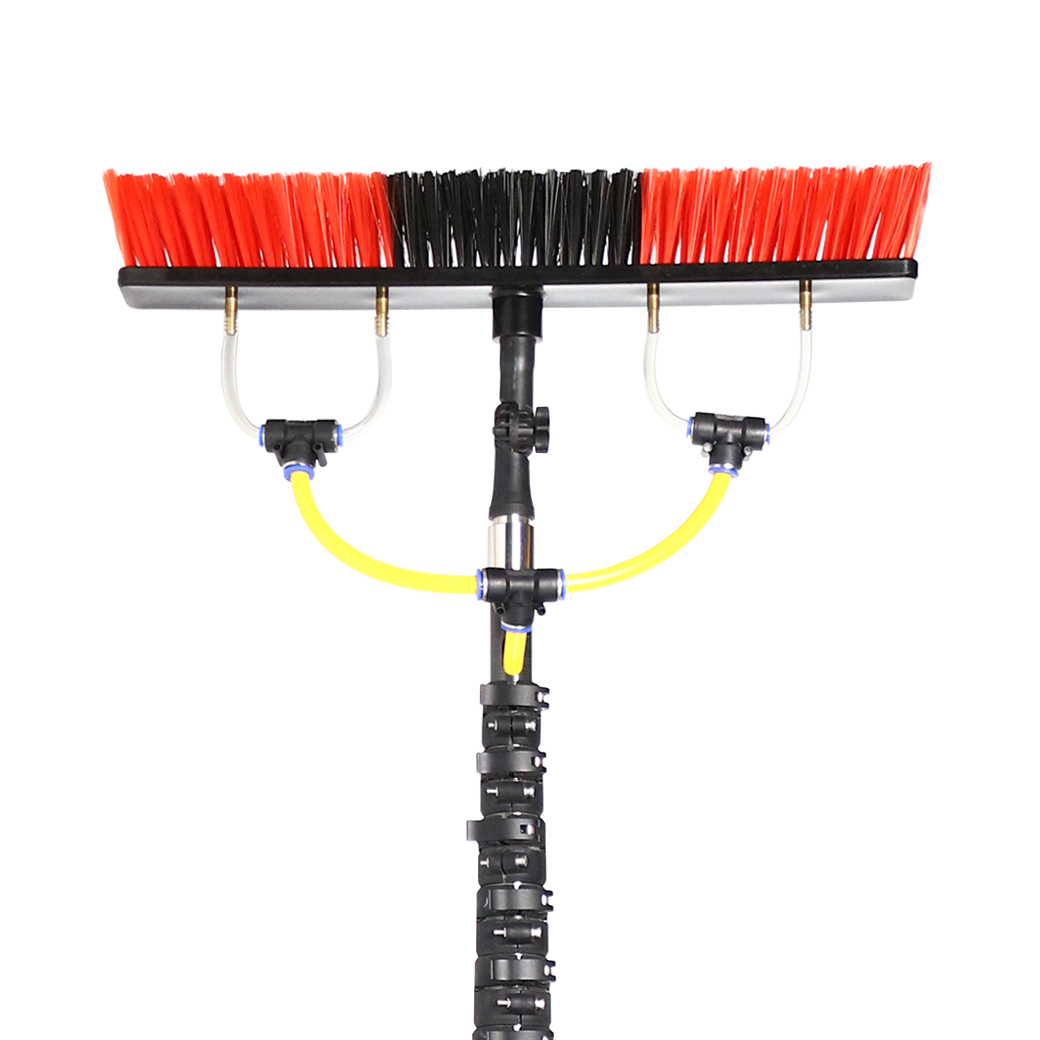
Dust, pollen, bird droppings, and other deposits can block sunlight before it reaches your solar cells. Regular cleaning helps you remove these contaminants and maintain the light transmission of the solar glass. Water-based cleaning adds water to the brushing process, which can help loosen accumulated deposits before the rotating brush lifts them from the surface.
This approach can be particularly useful when your site faces persistent or accumulated soiling. However, the result still depends on how you manage your water supply. You should review water pressure, hose connections, mineral content, and drying conditions as part of the same cleaning plan. Water alone is not a substitute for a well-matched machine, and a powerful machine is not a substitute for suitable water management.
Understand the 60 Bar Water Inlet Rating
The Rhino Stone Tech’s RHINOSTAR-EC6 has a quick-connect water inlet compatible with a standard 13 mm hose and a maximum water pressure rating of 60 bar. For your procurement decision, that number describes the maximum pressure the inlet and internal plumbing are designed to withstand. It does not mean your cleaning operation must run at 60 bar.
Your actual water supply will depend on your water source, hose arrangement, pump, and site operating conditions. Instead of assuming that more pressure always produces a better result, confirm the machine's operating requirements with the supplier and design your water supply around them. Understanding the difference between maximum inlet pressure and normal operating pressure helps you plan a safer and more practical setup.
Protect Cleaning Results Through Better Water Quality
Your water quality can influence what the panels look like after they dry. Groundwater and bore water may contain dissolved minerals such as calcium and magnesium. When water evaporates from the glass, those minerals can remain as visible spots or a thin residue, which may undermine the visual result of an otherwise careful cleaning cycle.
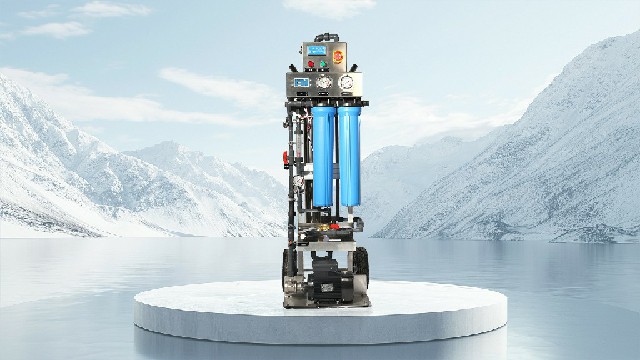
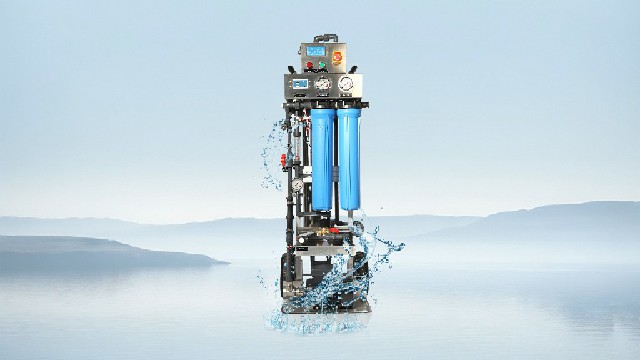
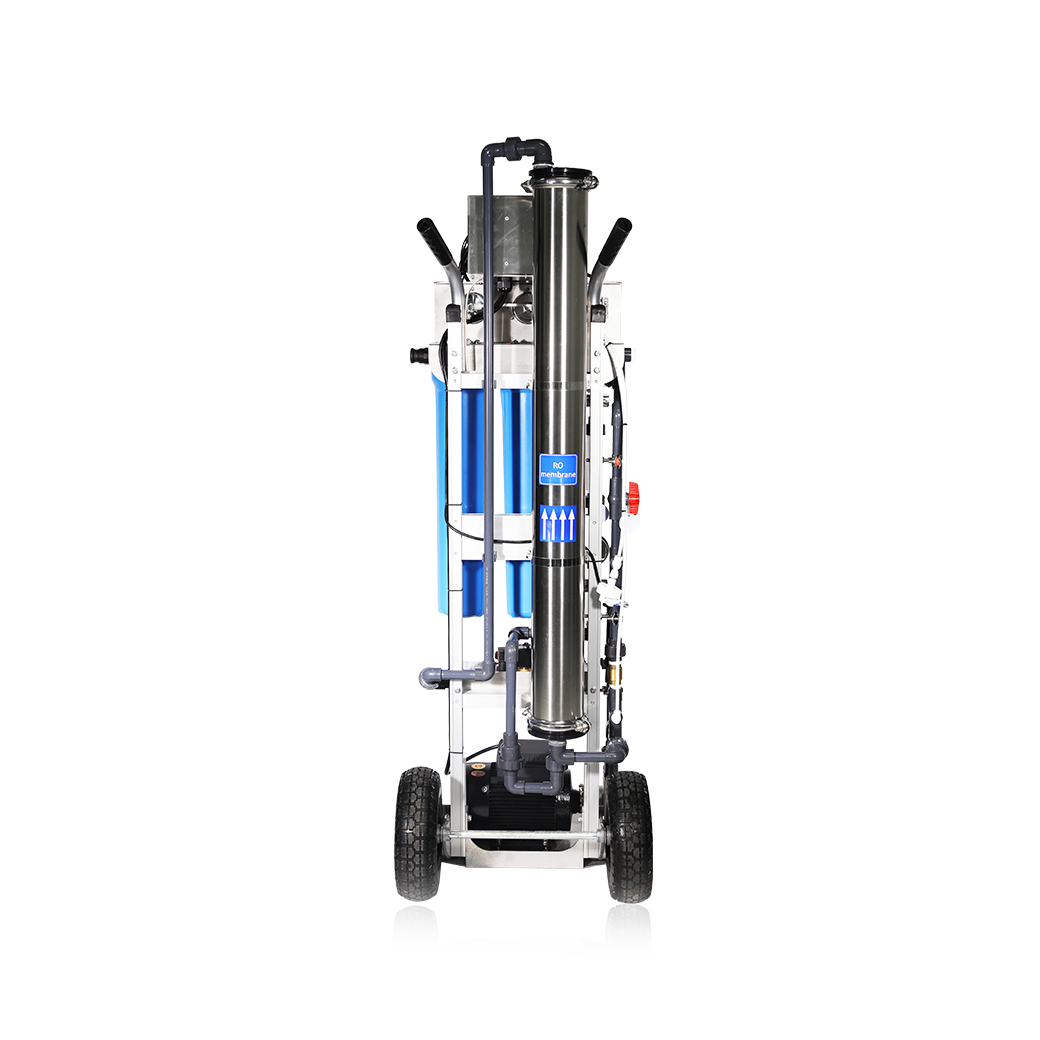
If your site uses hard water, test the mineral content before you finalize your cleaning routine. Filtration or reverse osmosis treatment may help reduce mineral deposits. You should also consider ambient temperature and drying time when scheduling work. When you combine suitable equipment with appropriate water treatment, you gain more control over routine PV maintenance and reduce the risk of leaving new marks while removing old soiling.
Why Compact Design and Climbing Capability Matter
When you evaluate crawler-type cleaning robots, pay close attention to dimensions and climbing performance. A compact robot gives you more flexibility on commercial and industrial rooftops where access routes are narrow, panel rows are closely spaced, or equipment positioning requires extra care. A machine that is unnecessarily large can turn a straightforward cleaning task into a logistics problem.
Climbing capability matters just as much. Your panels are not always horizontal, so the robot must be able to operate safely on inclined surfaces within its stated limit. The maximum cleaning angle gives you a practical reference for matching the equipment to your installation. Do not treat this specification as a marketing detail; compare it directly with the slope conditions your maintenance staff will encounter.
RHINOSTAR-EC6 for Commercial and Industrial PV Plants
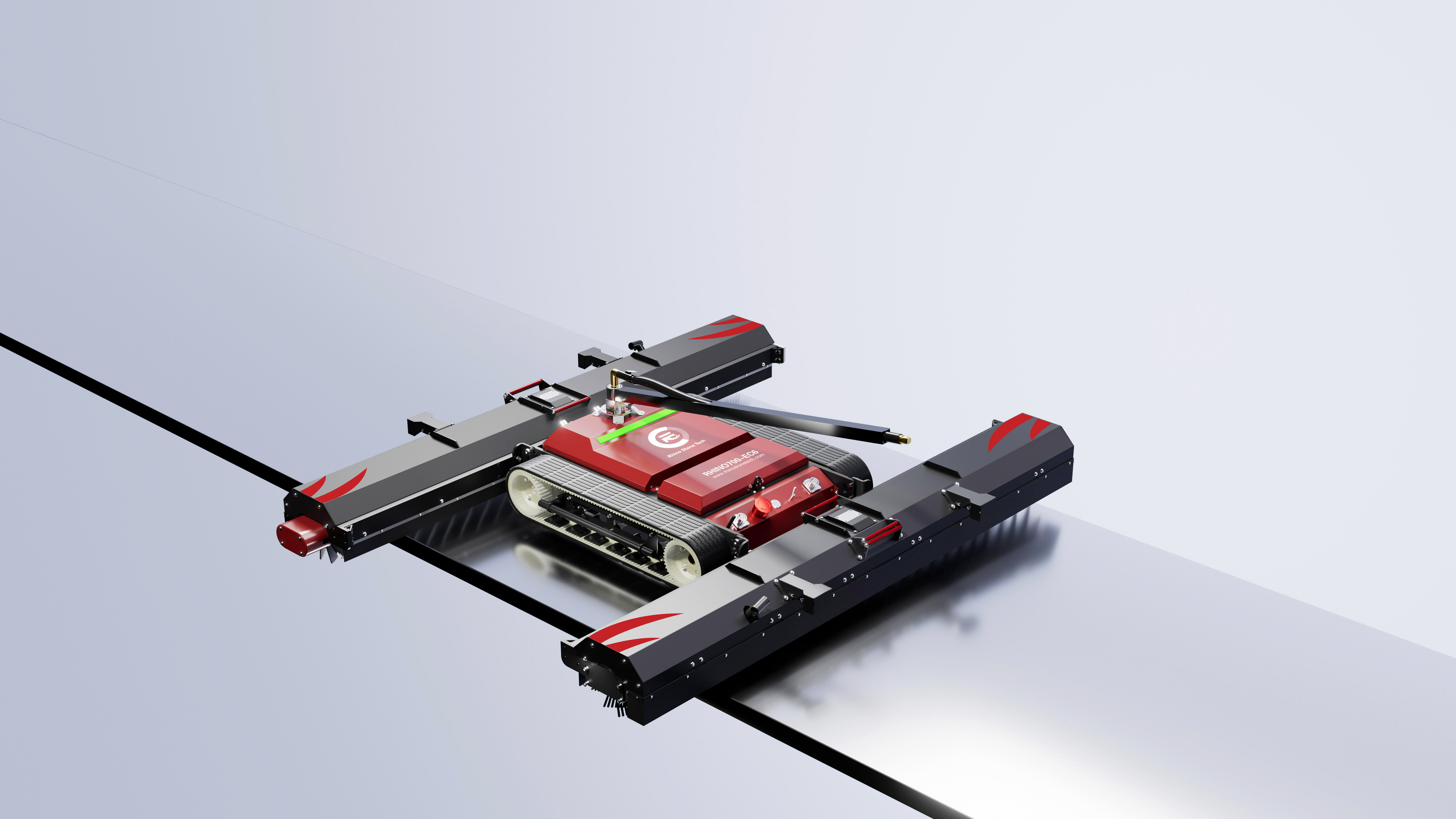
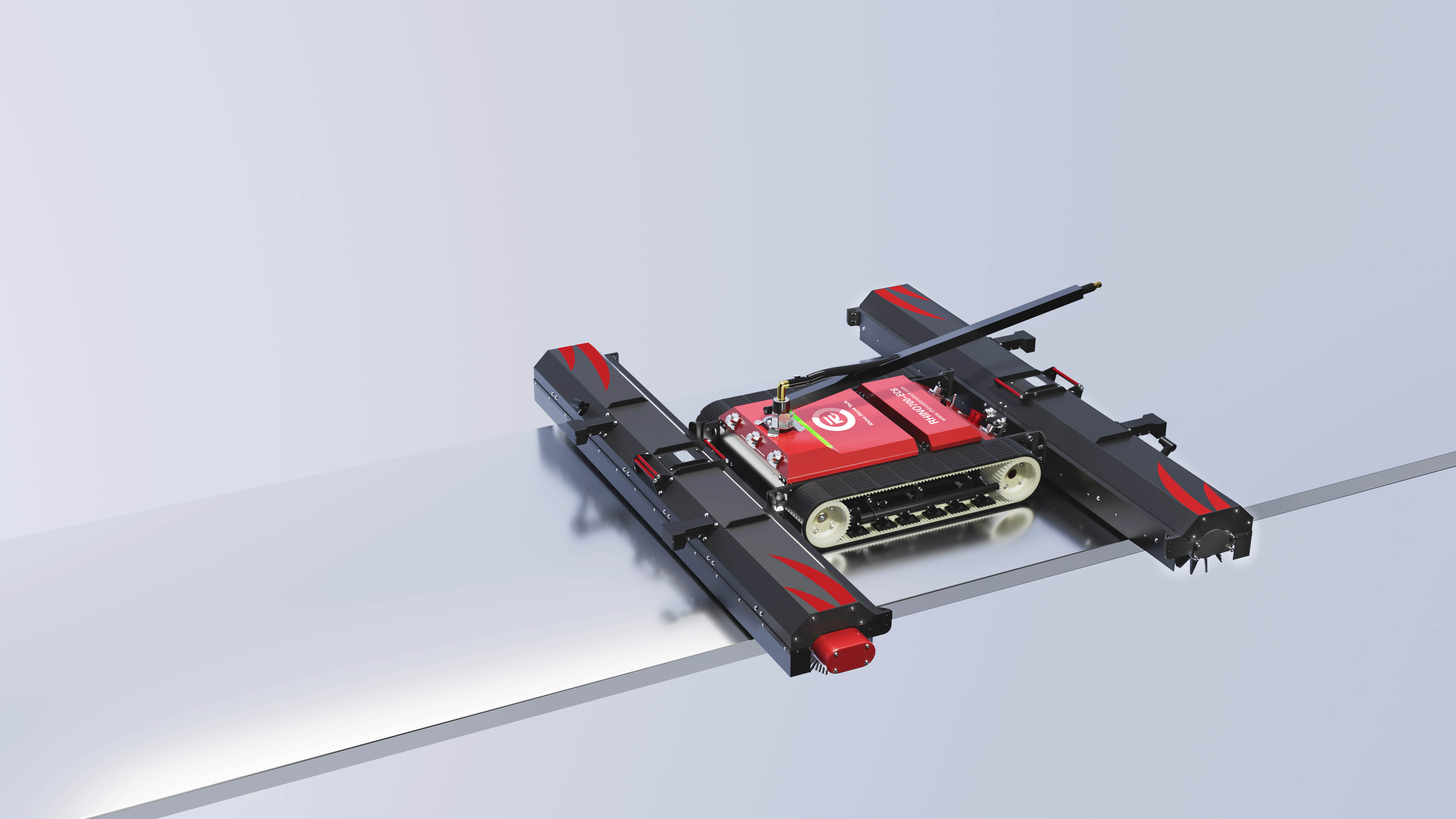
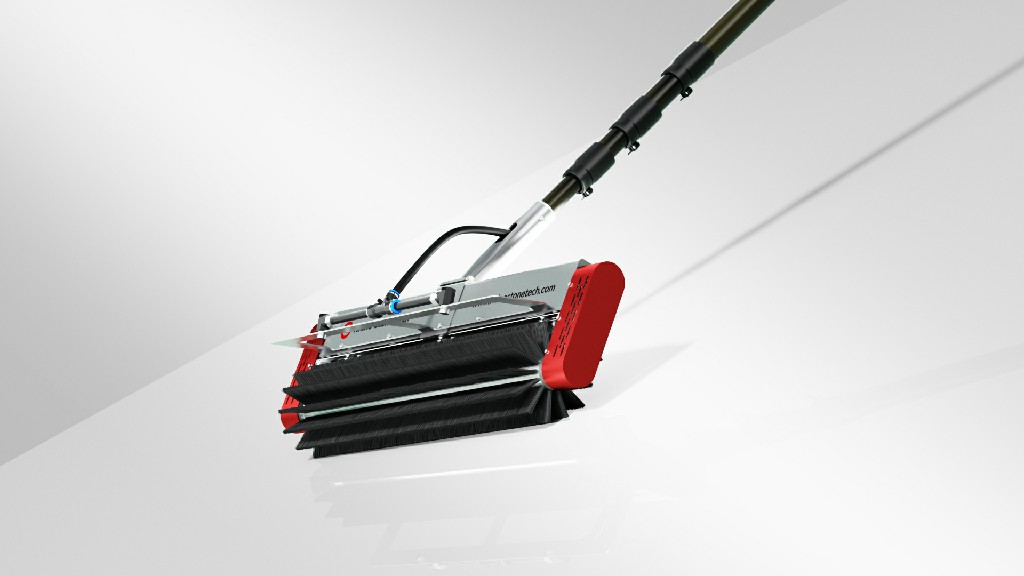
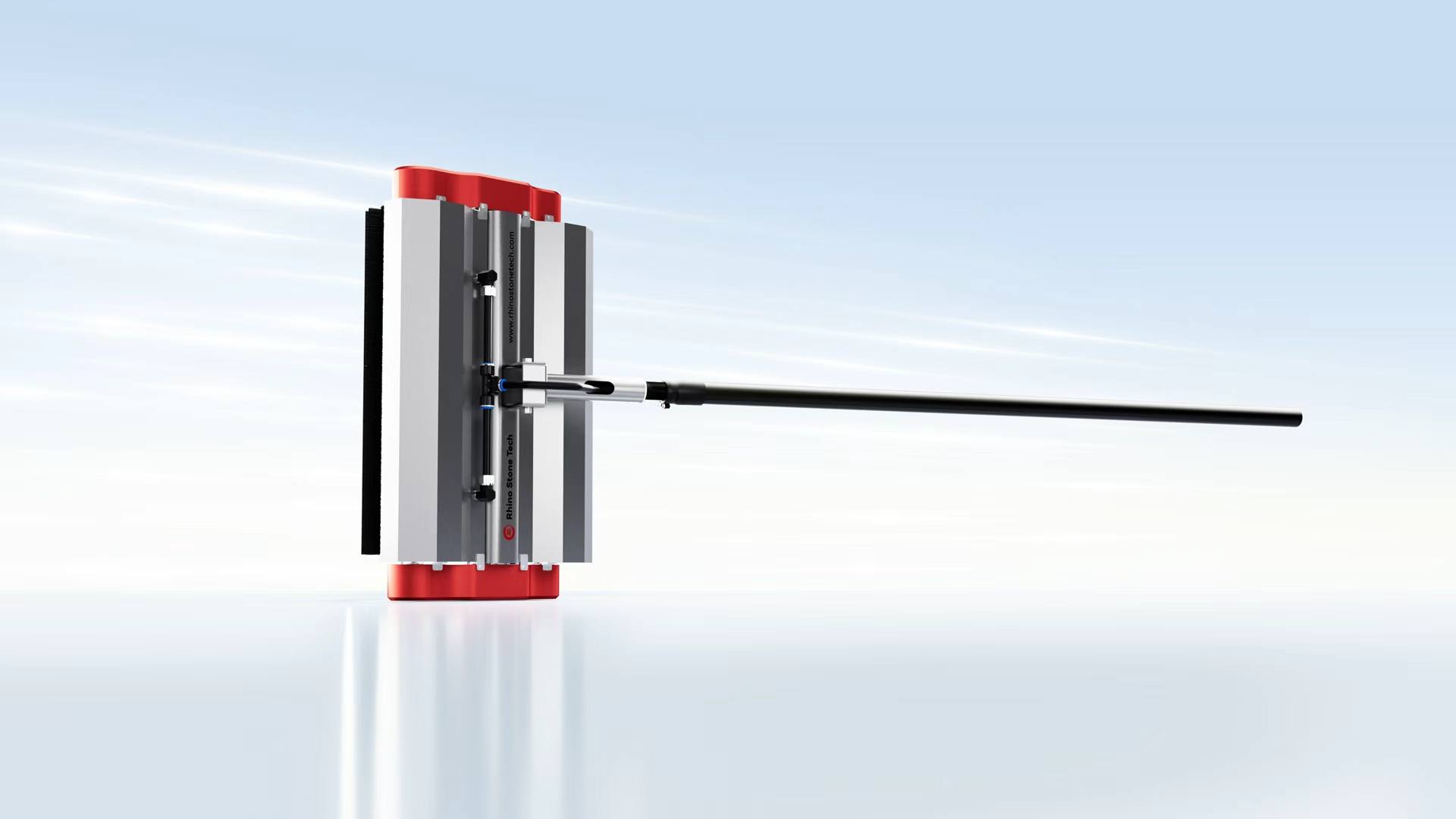
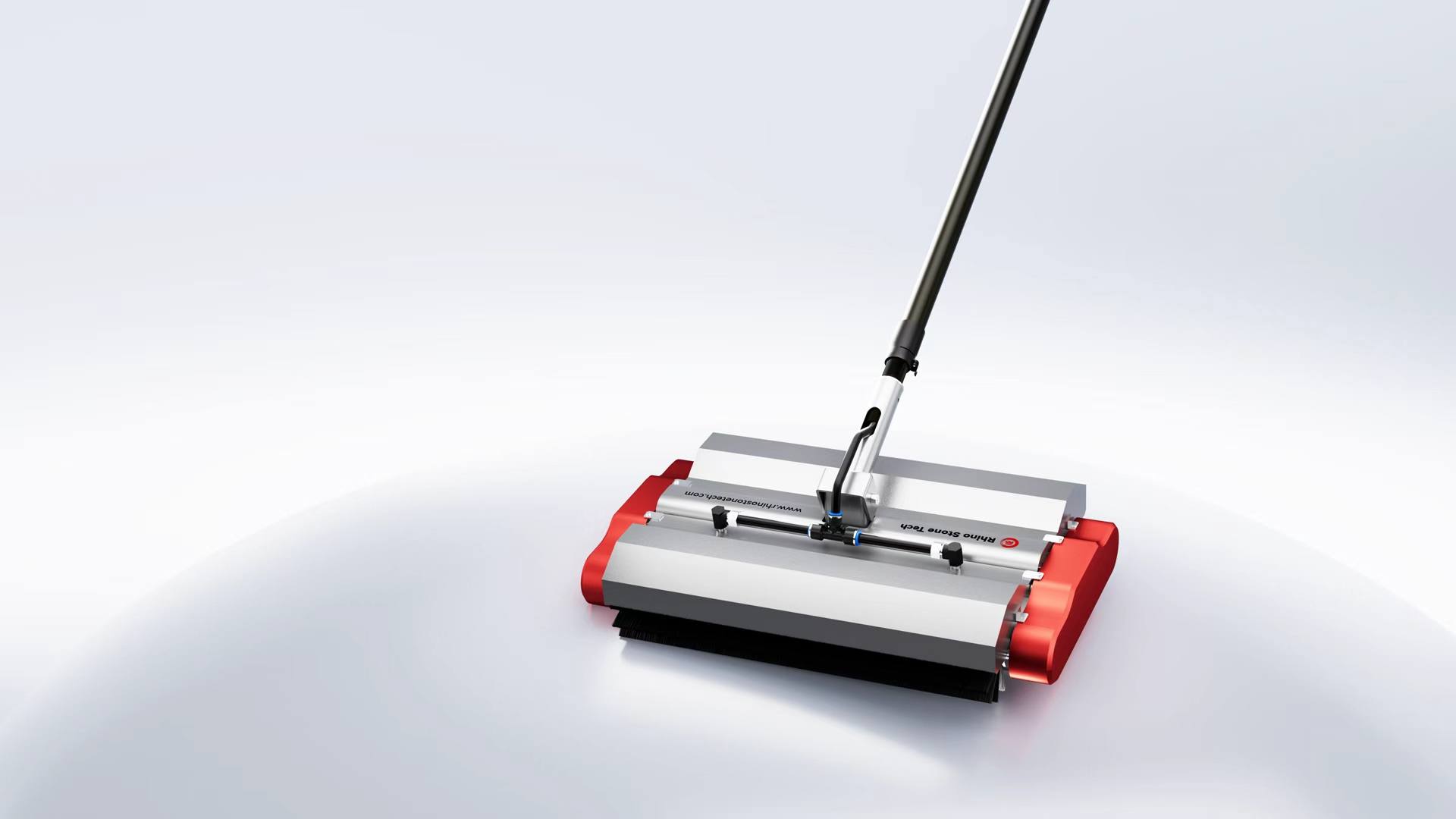
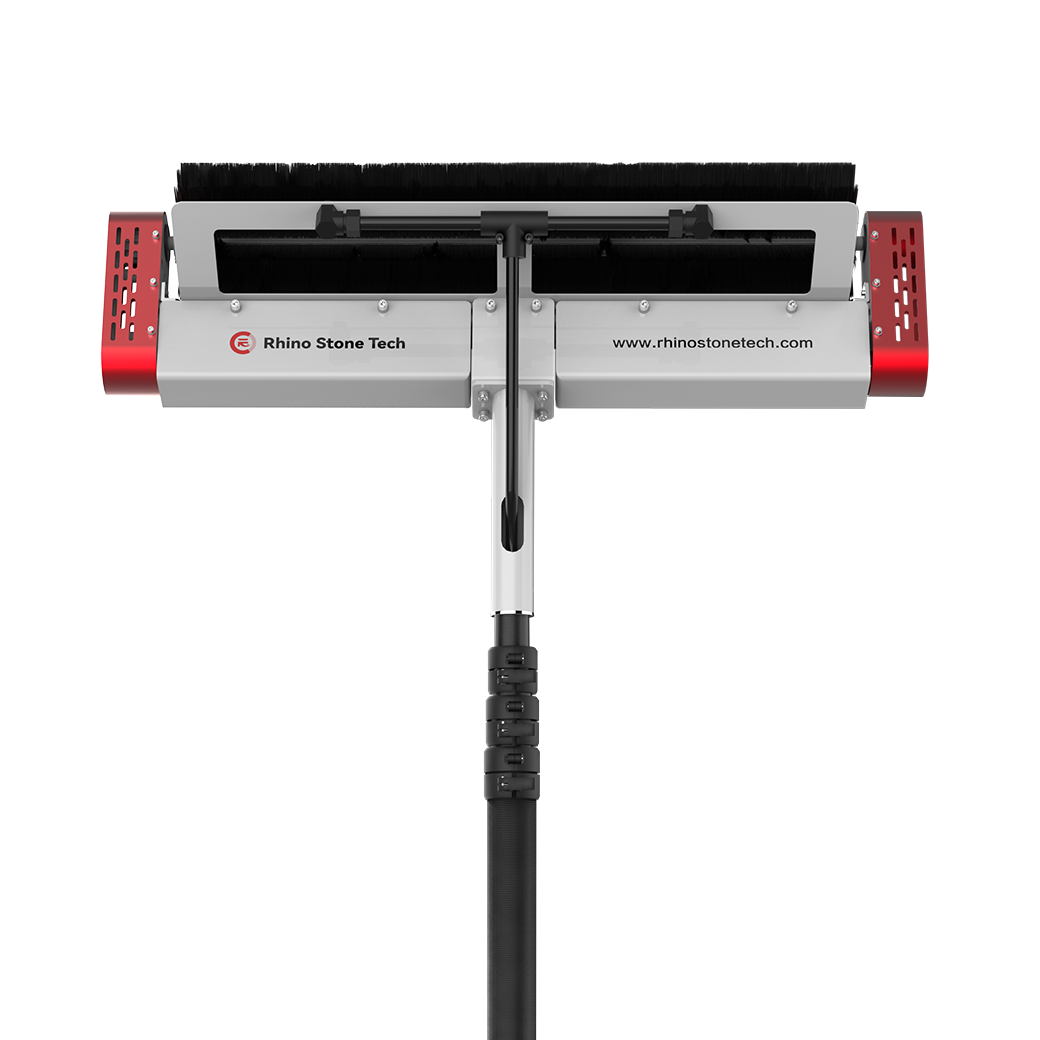
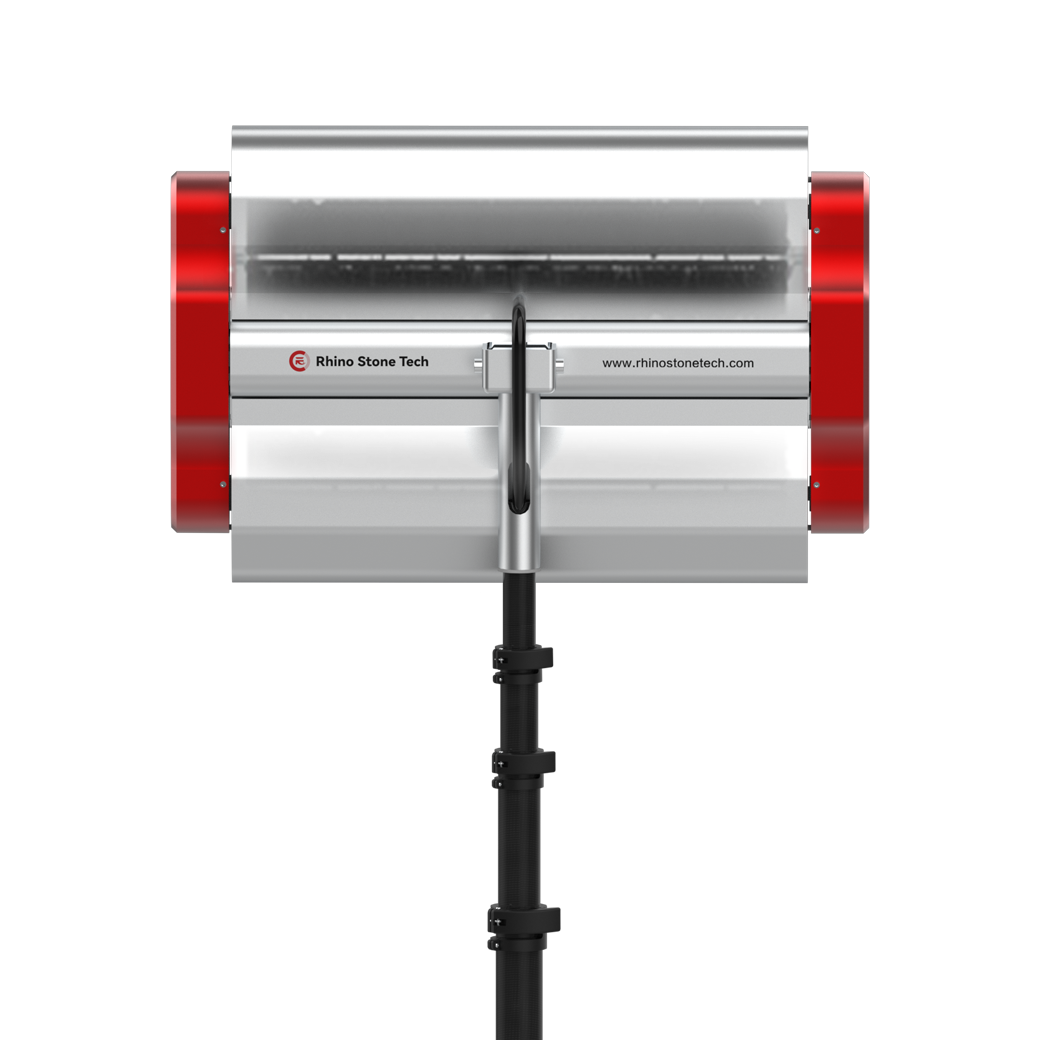
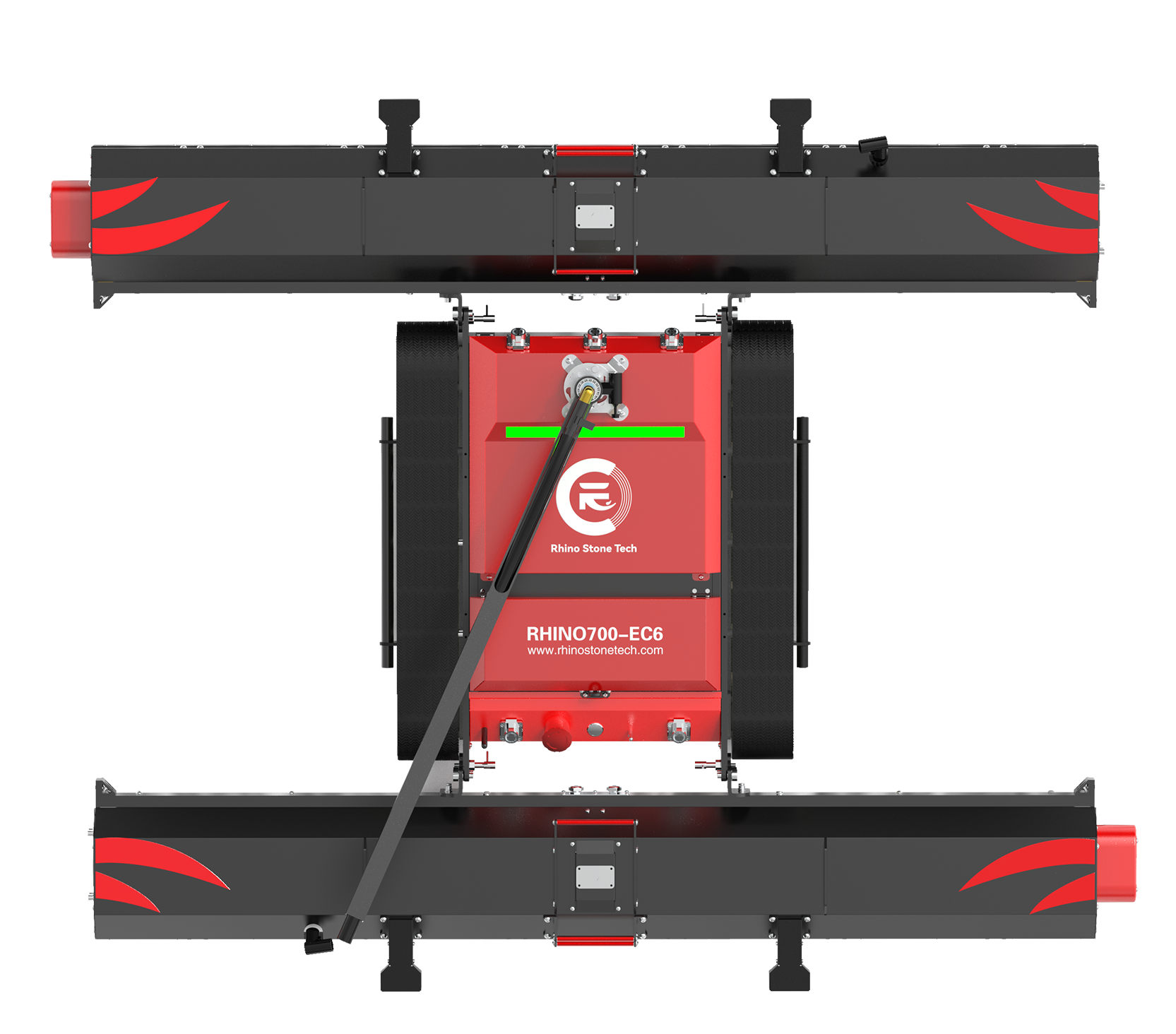
The RHINOSTAR-EC6 is designed for commercial and industrial solar installations, with an emphasis on compact dimensions and climbing capability. Its maximum cleaning angle is 25 degrees, which makes it suitable for inclined panel surfaces within that range. If you manage a commercial rooftop or distributed PV system where access and equipment positioning need careful planning, the EC6 is a practical option to include on your shortlist.
The EC6 combines crawler-type mobility with water-based cleaning functionality to support routine maintenance. Your final decision should still depend on your available space, water setup, and panel layout, but the model offers a clear starting point for sites that need a smaller operating footprint.
RHINOSTAR-EC7 for Large Ground-Mounted PV Plants
For larger ground-mounted installations, your equipment may need to cover broader areas and work on more demanding slopes. The RHINOSTAR-EC7 is designed with these sites in mind and offers a maximum cleaning angle of 33 degrees. That higher angle gives you more flexibility when your panel configuration falls outside the range of a lower-angle machine.
If your maintenance operation includes large-scale ground-mounted arrays, compare the EC7 with your actual terrain and panel layout rather than relying on general site descriptions. Confirm that the specified angle, access method, and movement requirements align with your conditions before you commit.
Build a Practical Selection Checklist
You can make your buying decision more reliable by turning site information into a short, evidence-based checklist. Use the following steps to compare your options:
1. Identify your installation type. Confirm whether you are cleaning commercial rooftops, distributed PV systems, or large ground-mounted plants. Each format creates different requirements for dimensions, access, and operating range.
2. Measure your maximum panel inclination. Compare the actual slope with the robot's maximum cleaning angle. For example, the RHINOSTAR-EC6 supports 25 degrees, while the RHINOSTAR-EC7 reaches 33 degrees.
3. Walk the access route. Check the space around your panel rows, the route used to move the equipment, and any structural restrictions that could limit positioning or operation.
4. Review your water supply. Confirm the available water source, hose connection, supply pressure, and water quality. If mineral content is high, include filtration or treatment in your planning.
5. Match the machine to your maintenance workload. Consider the size of the installation, cleaning frequency, and operating conditions. The right specification is the one that supports your actual routine, not the one that looks strongest in a brochure.
A checklist also gives you a better basis for supplier conversations. You can ask specific questions about slope limits, water connections, operating pressure, and site suitability instead of comparing isolated specifications that may have little meaning in your plant.
Evaluate Operational Fit, Not Just Purchase Price
A lower purchase price can be misleading if the equipment is difficult to move, poorly matched to your panel angle, or incompatible with your water supply. For your commercial decision, look at the full cleaning routine: how long it takes to position the robot, how many staff members are needed, how often the site must be cleaned, and whether water treatment adds recurring work.
You do not need unsupported savings estimates to make a sound evaluation. Instead, document the operating constraints that affect your site and use them to compare options. A machine that fits your access routes and slope conditions may support a smoother maintenance process even before you calculate labor or downtime effects. A simple fit assessment is usually more reliable than a headline price comparison.
Frequently Asked Questions
Q1: How do I choose a solar panel cleaning robot for my site?
A: Start with your installation type, panel inclination, available access space, cleaning frequency, and water supply. Then compare machine dimensions, maximum cleaning angle, crawler mobility, and water compatibility. The best fit is the model that matches your actual operating conditions, not the one with the longest specification list.
Q2: Which RHINOSTAR model is right for my PV plant?
A: The RHINOSTAR-EC6 is a practical starting point for commercial and industrial PV installations where compact dimensions and a 25 degree maximum cleaning angle match your site. The RHINOSTAR-EC7 is aimed at larger ground-mounted plants and supports a maximum cleaning angle of 33 degrees. Verify the selected model against your own layout and slope conditions.
Q3: Does a 60 bar inlet rating mean I need 60 bar of water pressure?
A: No. The 60 bar figure is the maximum pressure the RHINOSTAR-EC6 water inlet and associated plumbing are designed to withstand. It is not the required operating pressure. Confirm your normal operating requirements with the supplier and design your water supply around the specified machine conditions.
Q4: Why should I check water quality before cleaning my panels?
A: Water with a high concentration of dissolved minerals can leave spots or a thin residue after it evaporates from the glass. If your site uses hard water, consider testing the mineral content and using suitable filtration or treatment where needed. Water quality, drying time, and ambient temperature can all affect the final result.
Q5: What should I confirm before buying a cleaning robot?
A: Confirm the maximum cleaning angle against your panel slope, the required water connection and operating pressure, the available access space, the movement method, and the maintenance workload. Ask the supplier to confirm site suitability rather than relying on a single headline specification.
Conclusion
Your best cleaning robot is the one that matches your PV plant conditions and the way your maintenance team works. Start with your layout, slope, access, water supply, and cleaning frequency. Then compare the specifications that directly affect those conditions.
For your commercial and industrial PV installations, the RHINOSTAR-EC6 offers a compact option with a maximum cleaning angle of 25 degrees. For larger ground-mounted plants, the Rhino Stone Tech’s RHINOSTAR-EC7 provides a higher maximum cleaning angle of 33 degrees for more demanding slope conditions. Use the checklist in this guide to narrow your shortlist, verify the details with your supplier, and choose equipment that supports a more controlled and practical cleaning routine.
References
Sources
Soiling Losses - Impact on the Performance of Photovoltaic Power Plants - IEA-PVPS
Link:
Note: Provides industry context on soiling losses and why effective PV maintenance matters.
Solar Photovoltaic Technology Basics - Department of Energy
Link:
https://www.energy.gov/cmei/systems/solar-photovoltaic-technology-basics
Note: Explains the fundamentals of solar photovoltaic technology and the role of solar cells.
This post was reproduced from: https://www.industrysavant.com/2026/11/how-to-choose-right-solar-panel.html