
After it rains, many solar plant operators notice less visible dust on their panels and assume that natural rainfall has provided sufficient cleaning.
In reality, rain does wash away some loose contamination, but for commercial and industrial solar systems, whether the panels are actually clean depends on the type of contamination, how firmly it's attached, and its actual impact on power output. In short: rain lightens the load, but it doesn't replace a proper cleaning.
Why Rain Can't Fully Replace Professional Cleaning
Rain does a reasonable job washing away loose surface dust, especially when contamination is fresh and hasn't built up much. However, that effect has clear limitations. Research suggests rain can wash away larger dust particles, but a meaningful amount of fine particulate matter still clings to the surface, continuing to reduce light transmission. Some studies also suggest that leftover water droplets may increase how easily dust sticks to the surface, and light rain in particular can sometimes leave behind patchy, sticky residue that reduces cleaning effectiveness.
Contamination That Survives Even Heavy Rain
Sticky dust, bird droppings, and mud are among the hardest contaminants for rain to handle. Even heavy rainfall struggles to wash them off completely, and light rain can sometimes smear the residue across a wider area, making it more difficult to clean thoroughly.
Pollen is another case worth noting. We covered this in detail in an earlier article, Pollen Contamination: A PV Performance Loss That Rainfall Cannot Easily Remove— even in regions with abundant rainfall, pollen contamination can cause performance losses exceeding 15%, and natural rainfall does little to reverse that. Professional cleaning is typically needed to meaningfully recover lost output.
How to Tell If Your Panels Actually Need Cleaning
Rather than going by whether it rained recently, the more reliable signal is your power generation data. In practice, soiling level and power loss are directly connected, a panel that doesn't look particularly dirty may already be losing output, something that's hard to catch by eye alone.
A more practical approach: track efficiency trends regularly, and once you see a clear drop (after ruling out weather or equipment issues), it's time to clean, rather than relying on "it rained recently" as a proxy.
Different Contamination Levels Need Different Cleaning Approaches
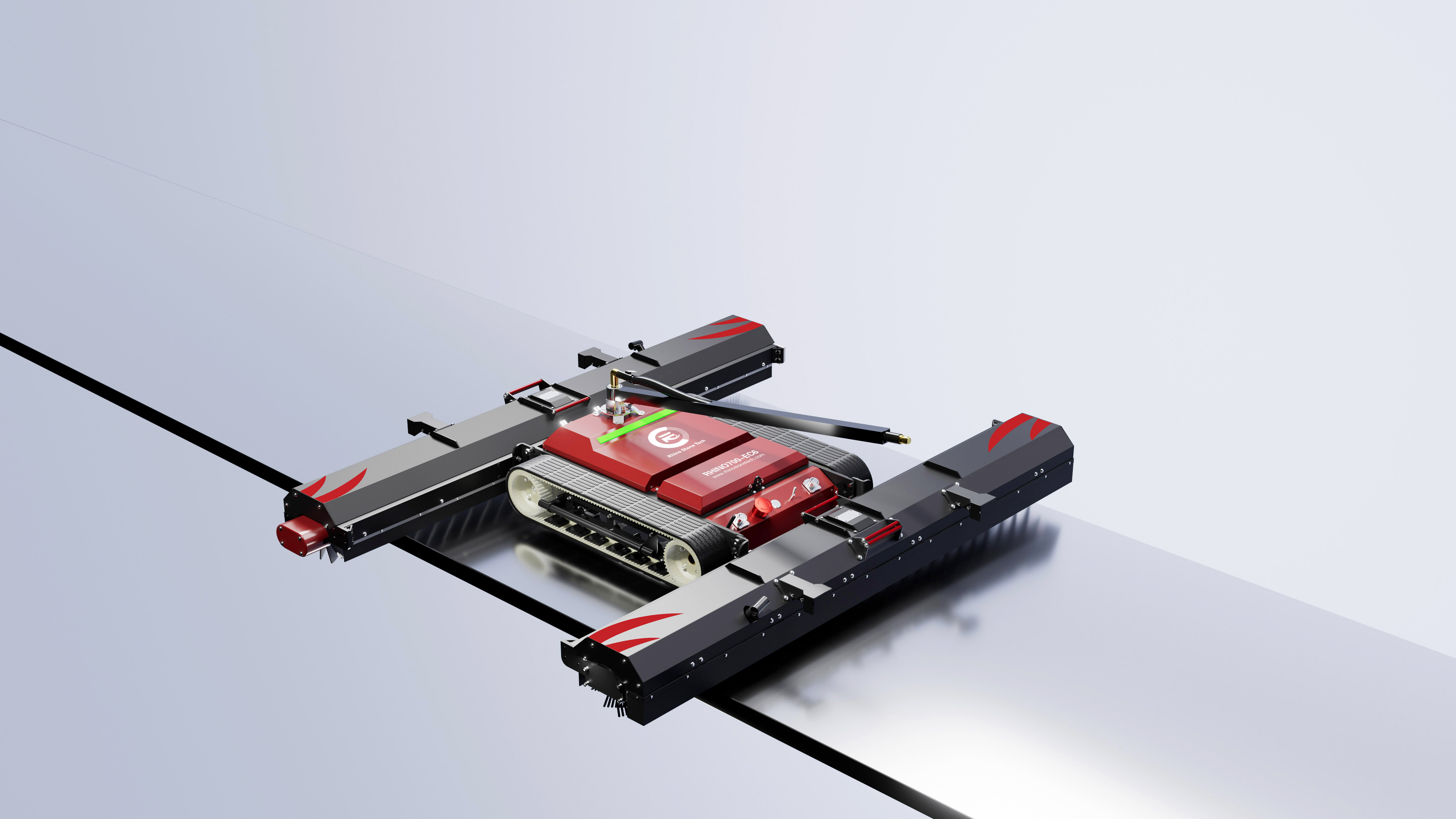
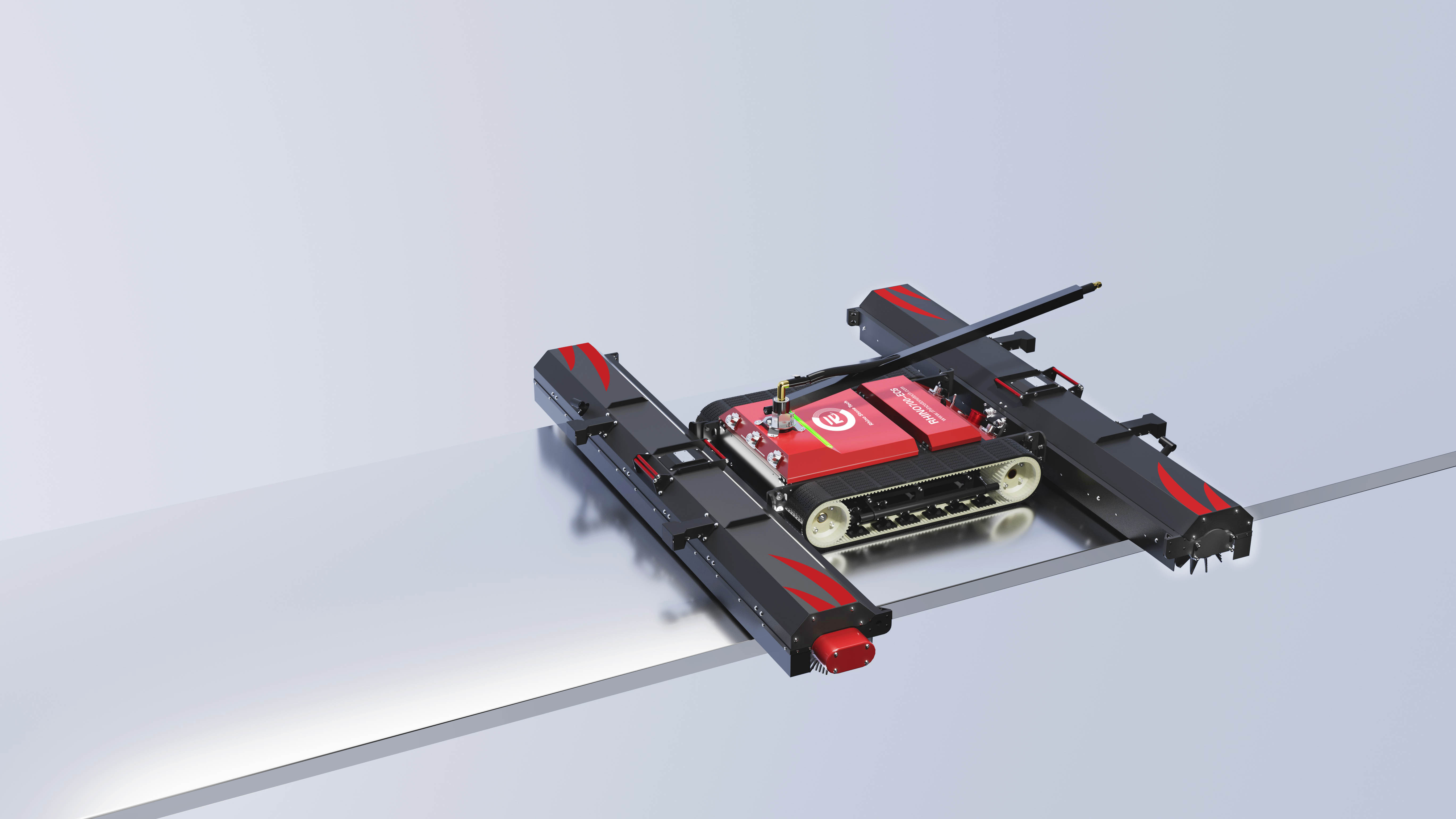
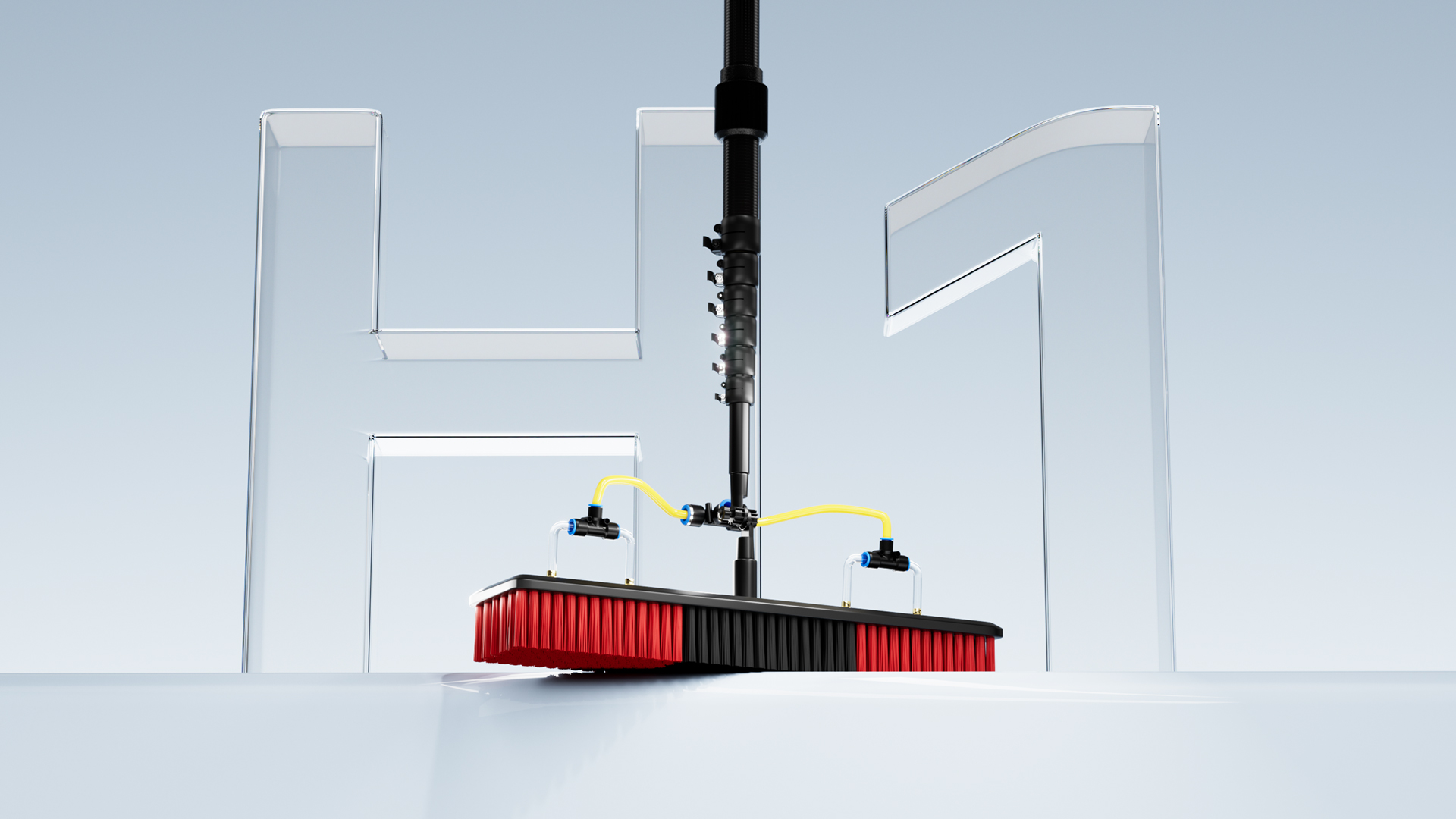
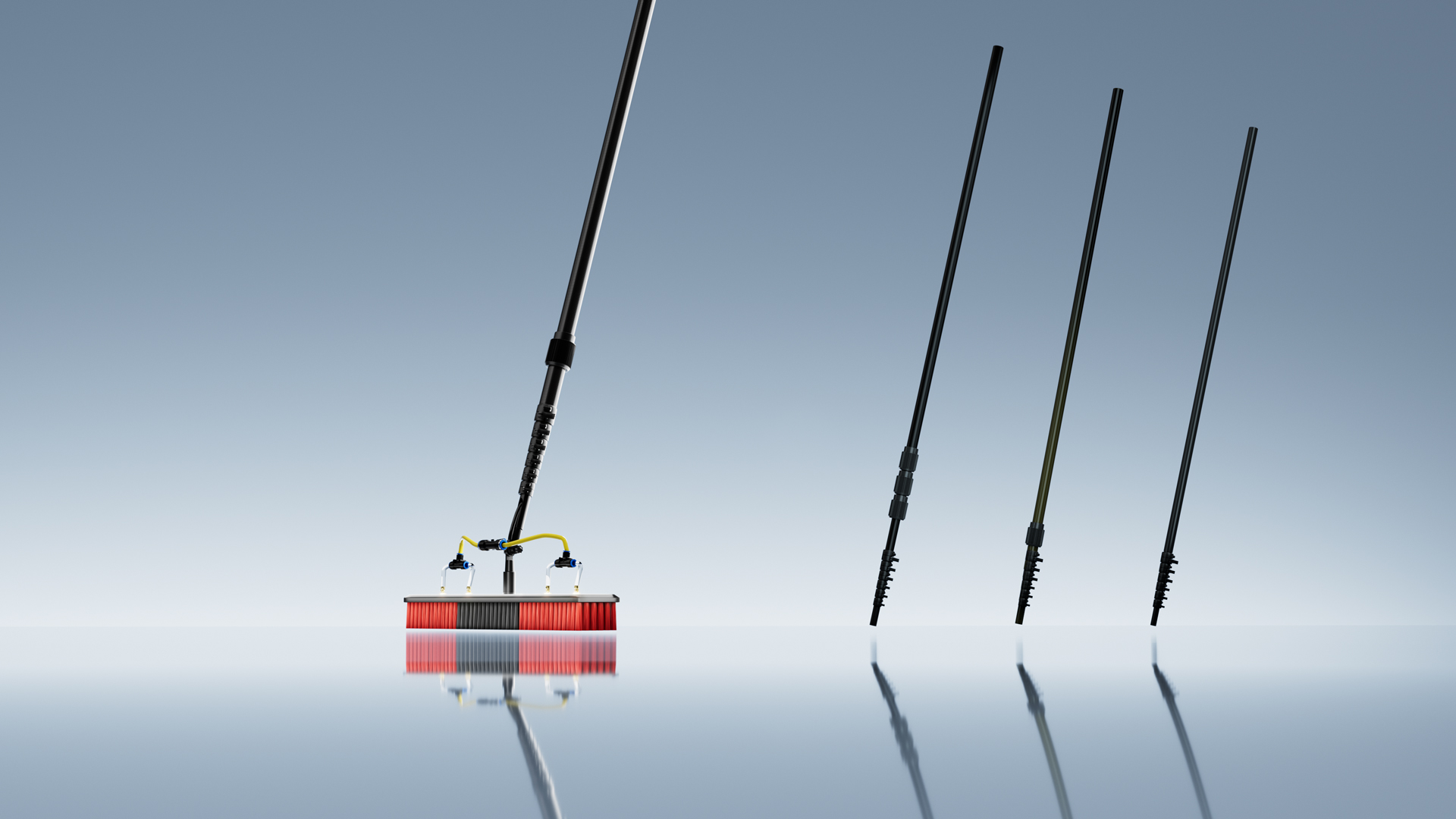
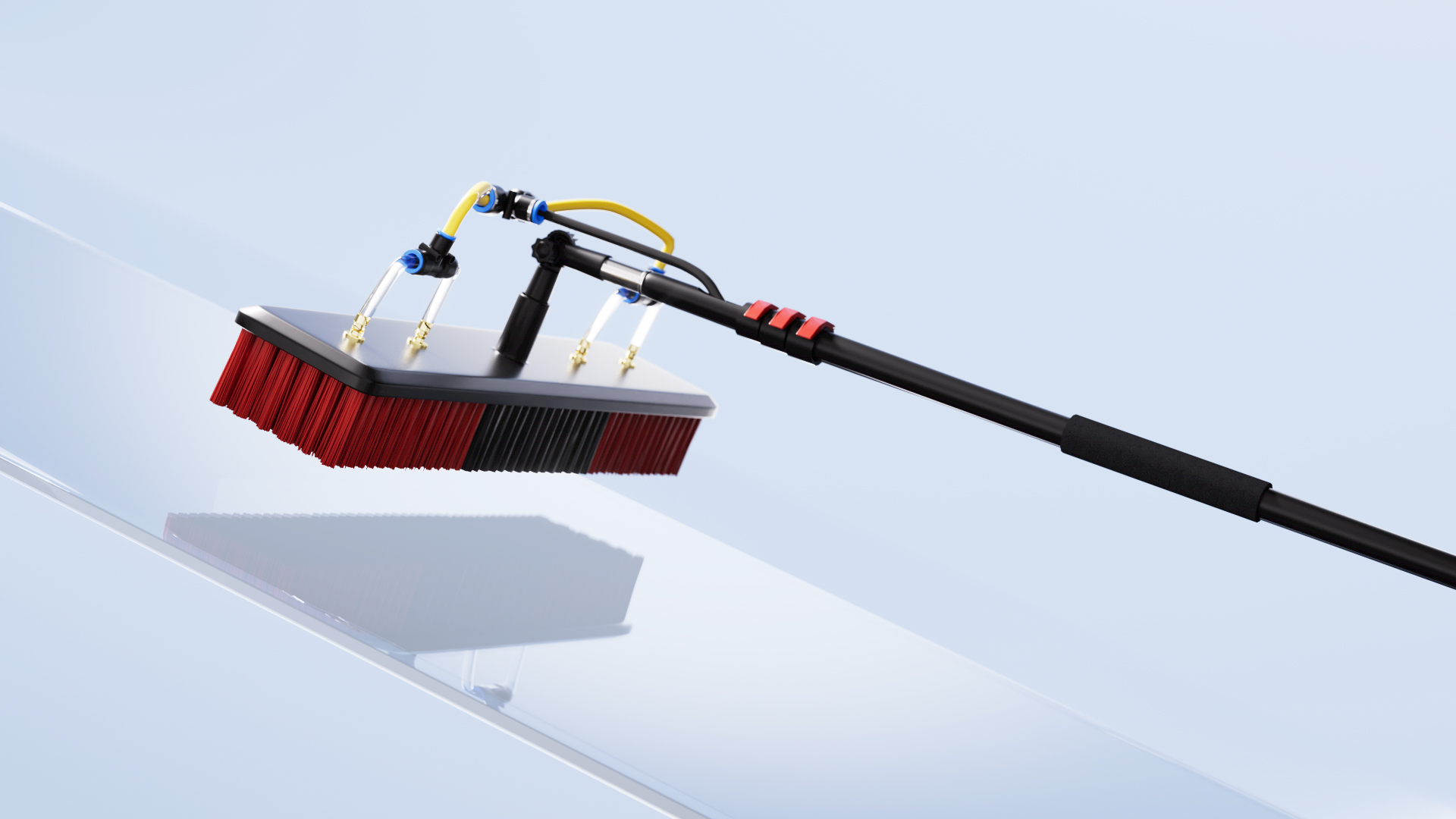
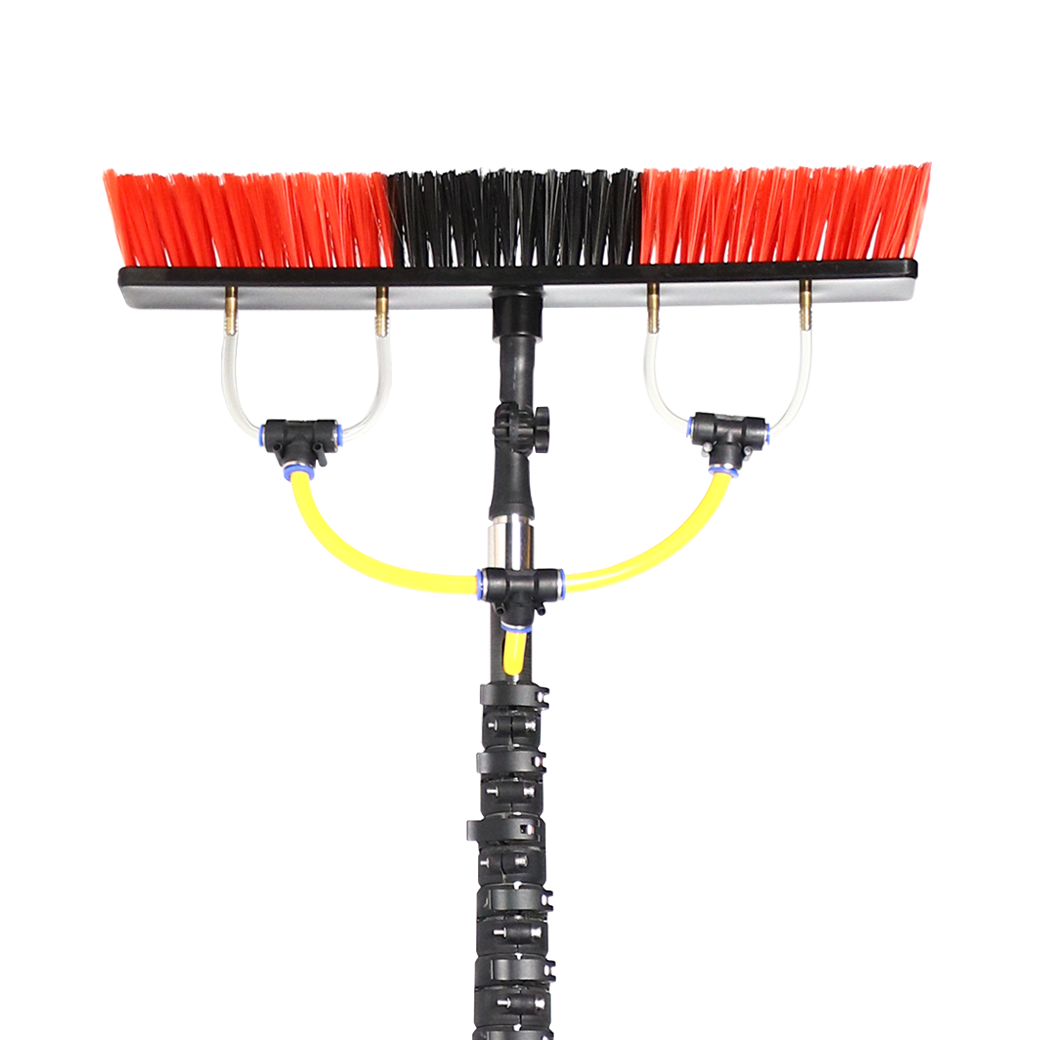
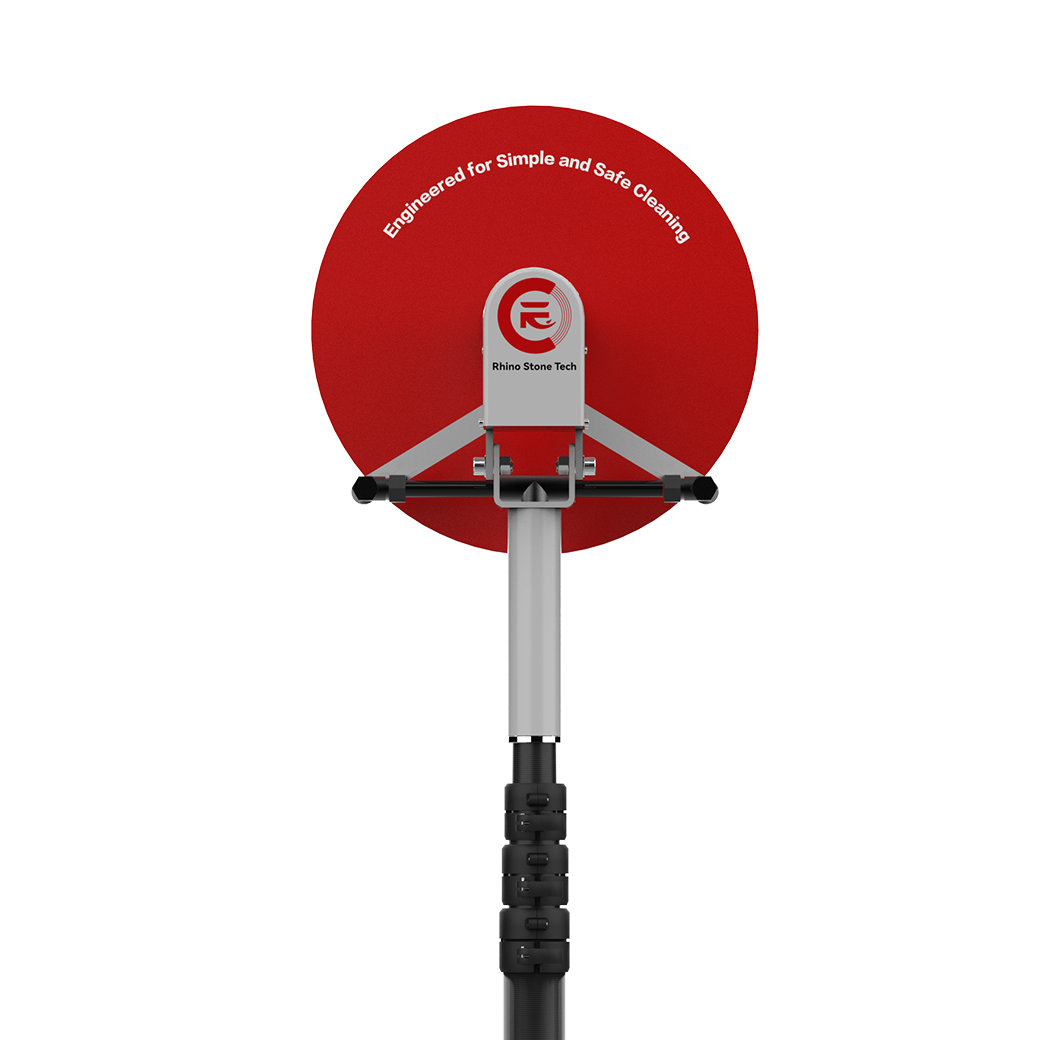
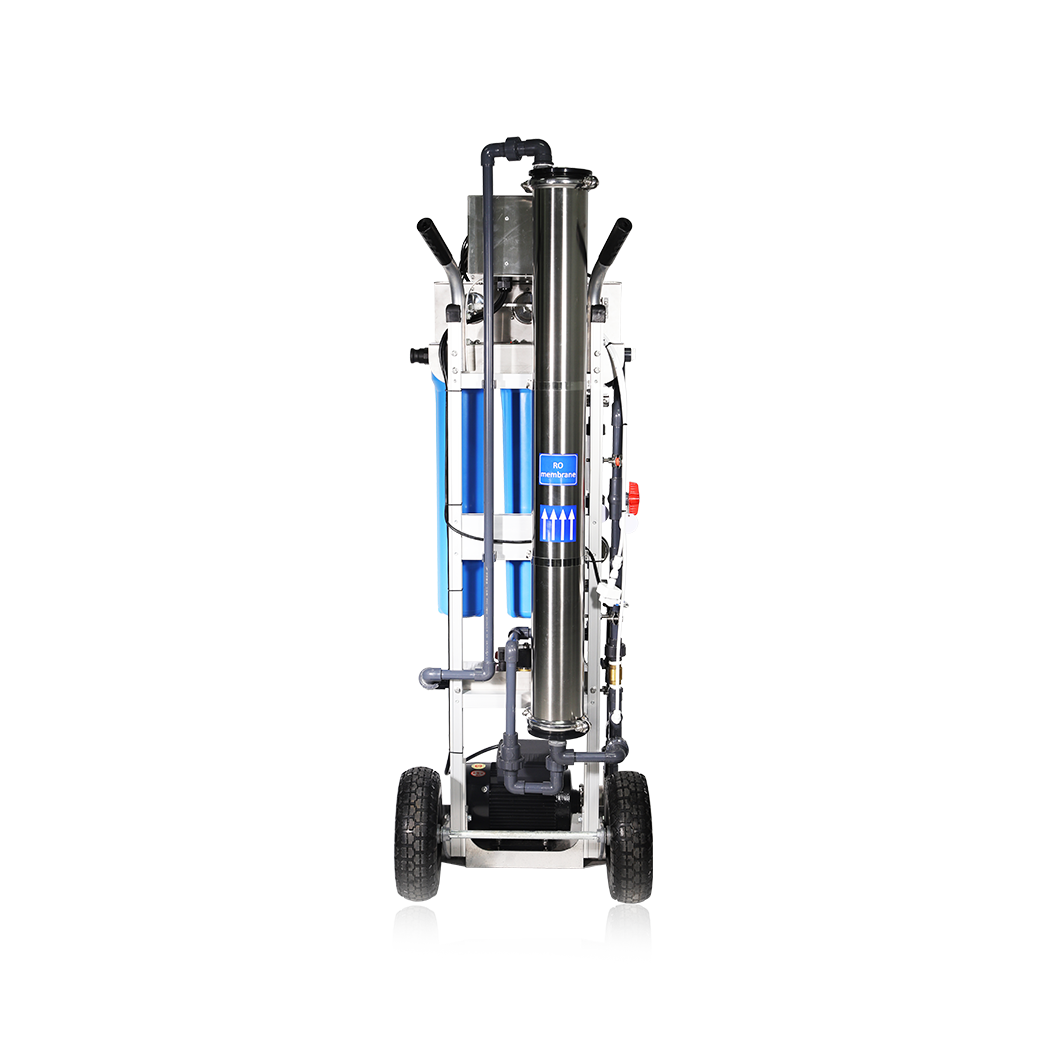
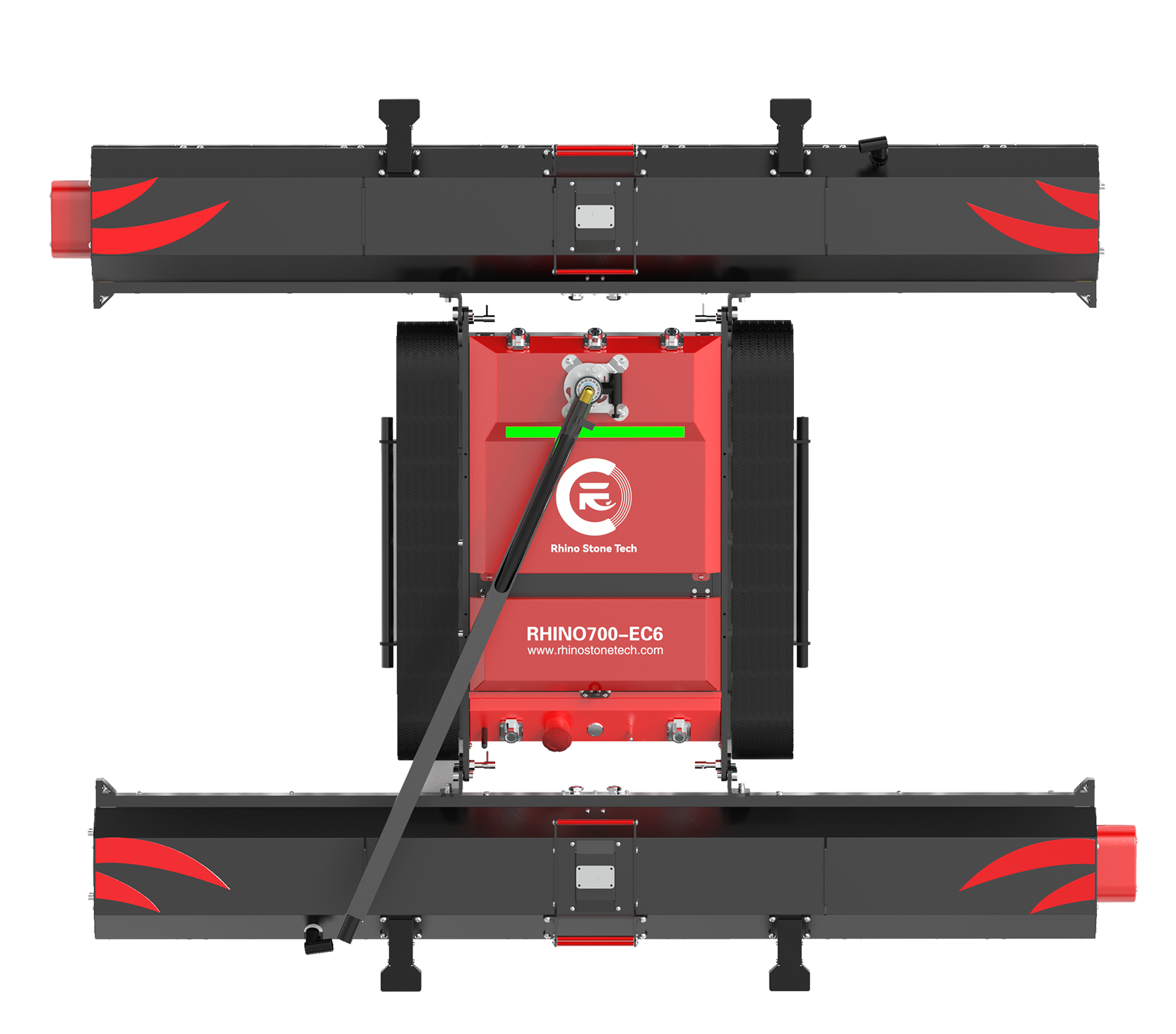
Everyday dust is usually manageable with cleaning equipment paired with a pure water system. Stubborn residue like pollen buildup or bird droppings needs more thorough cleaning to deal with water spotting and residue. For large ground-mounted installations where labor costs run high, solar panel cleaning robots can maintain consistent results while cutting down on manual intervention. Which approach makes sense ultimately depends on the scale of the installation, water availability, and day-to-day labor costs.
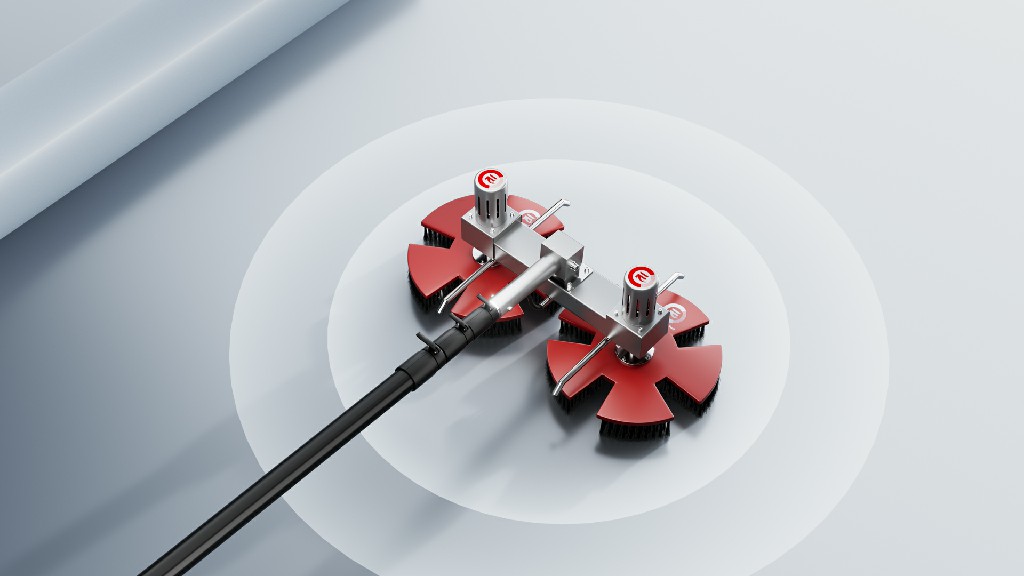
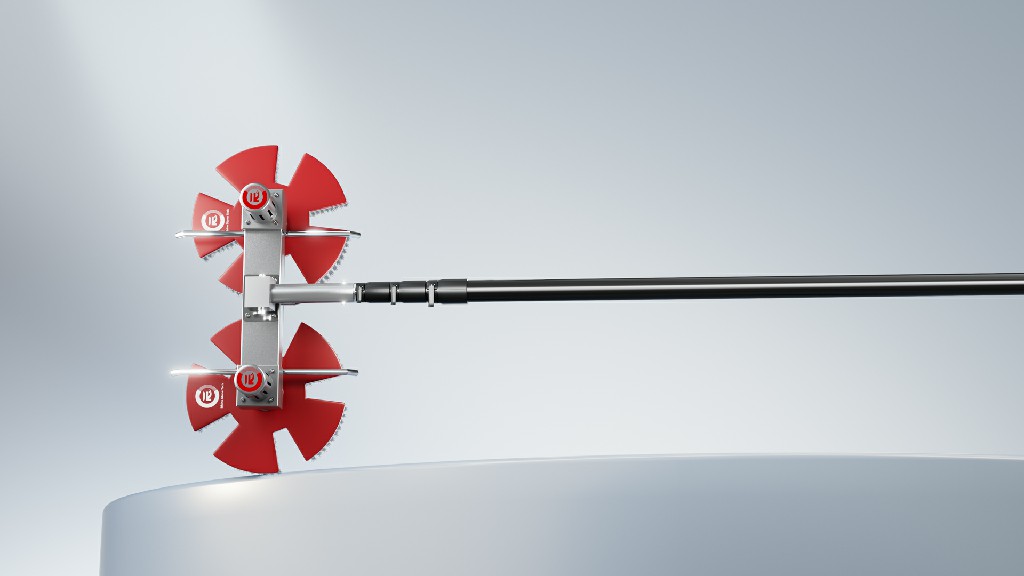
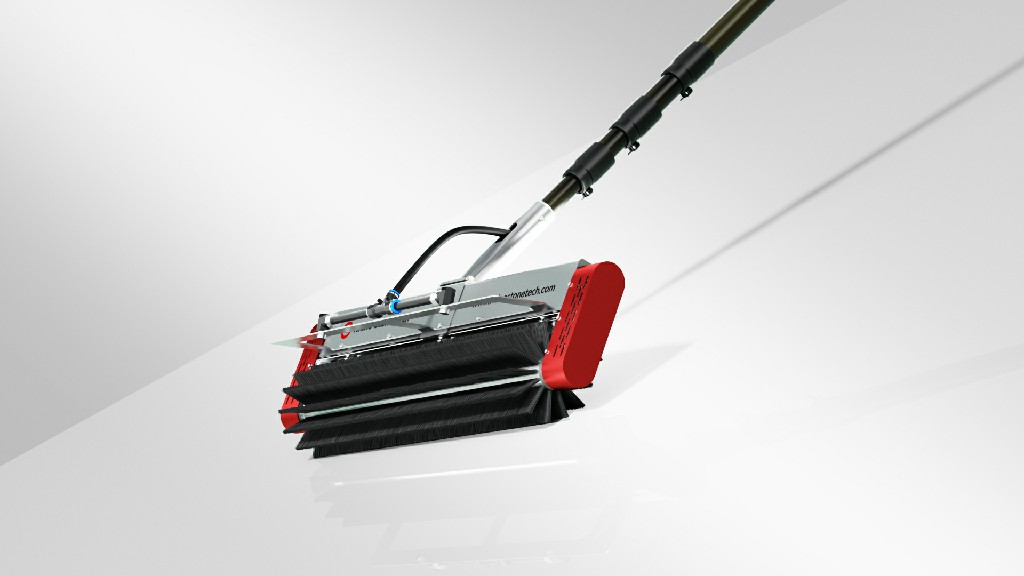
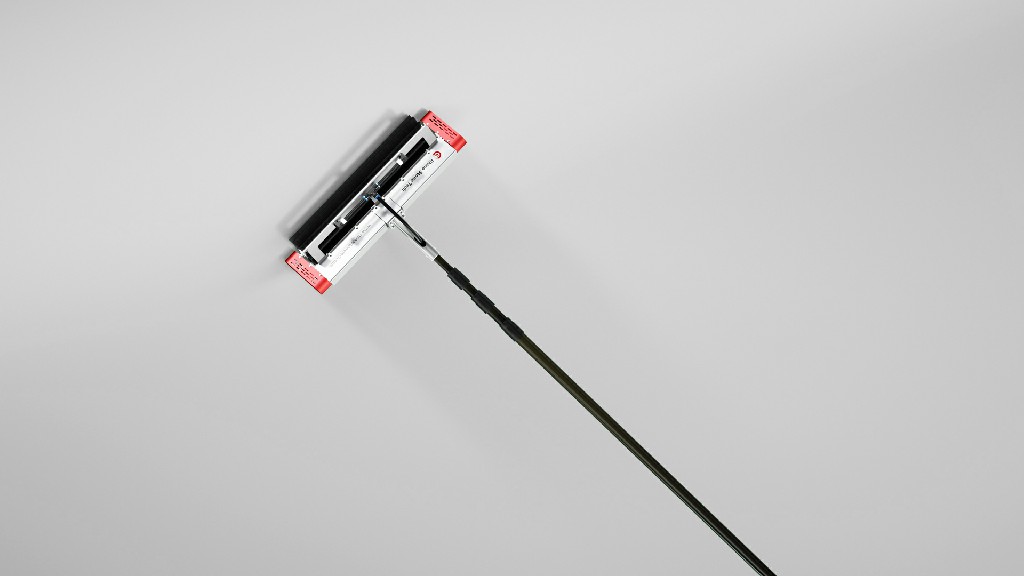
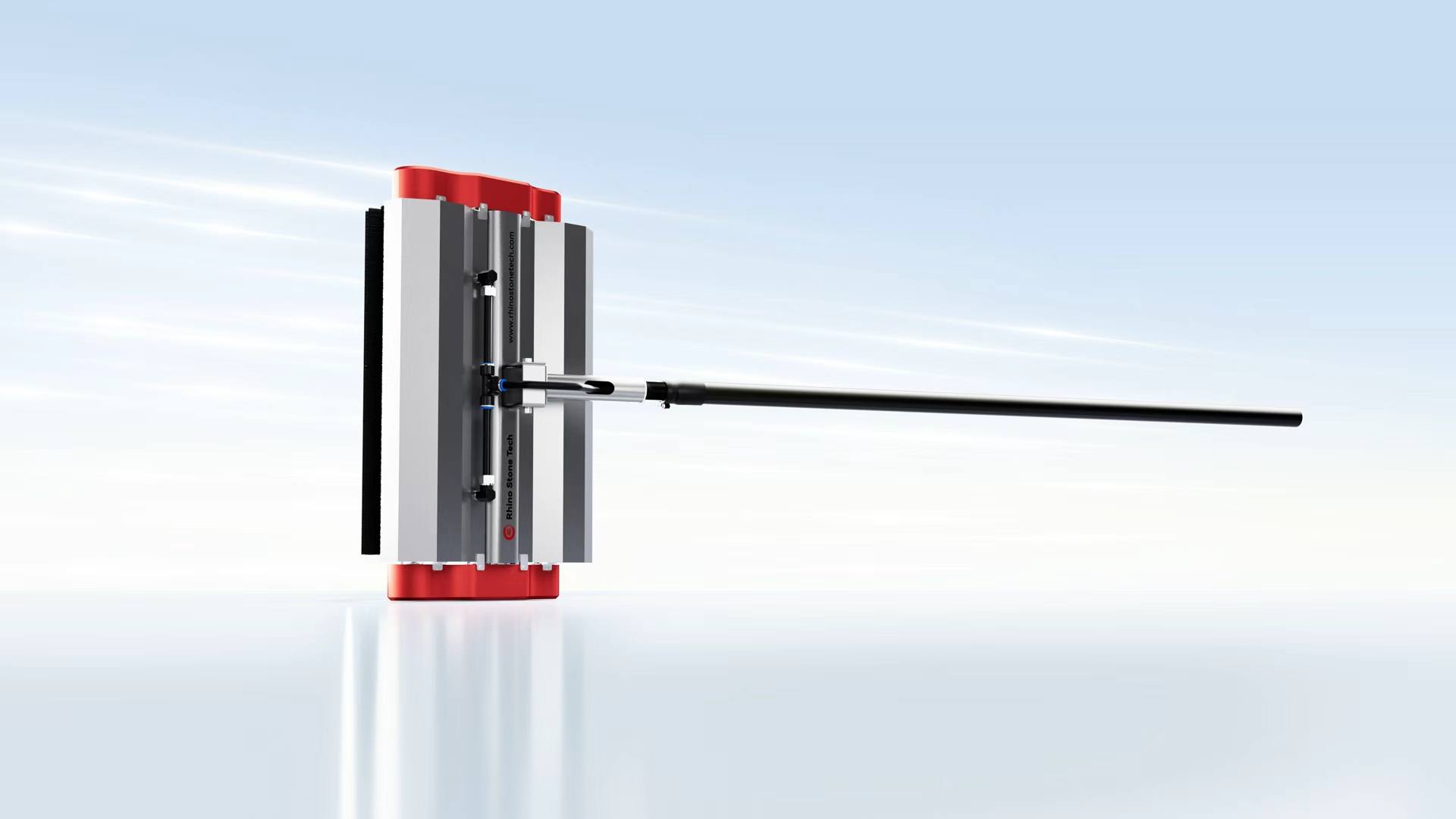
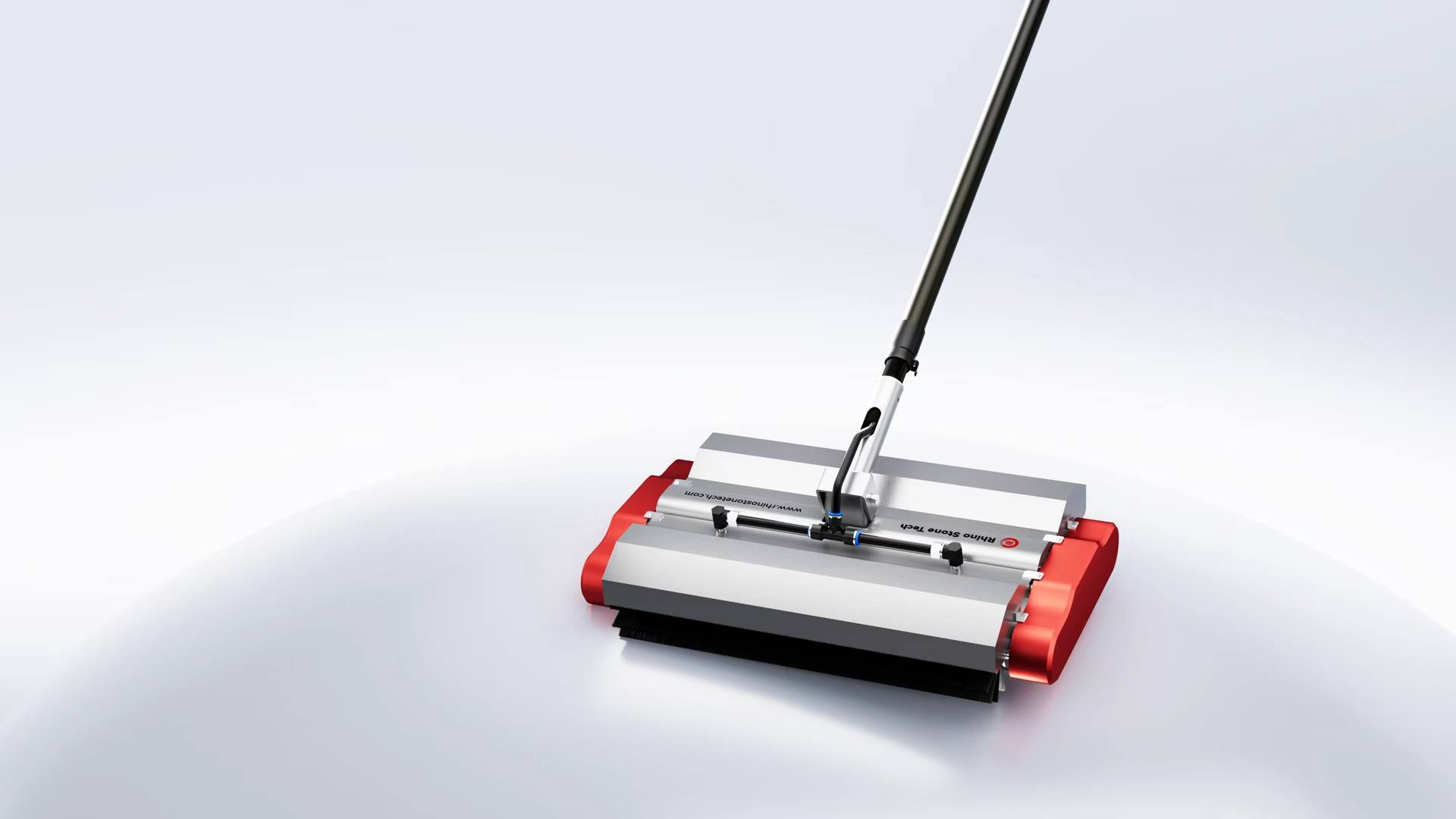
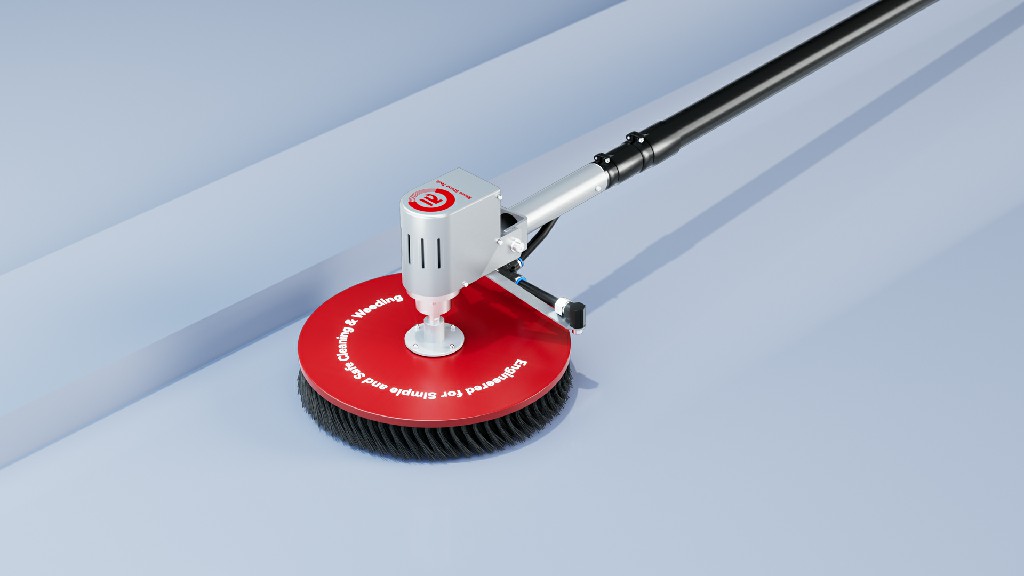
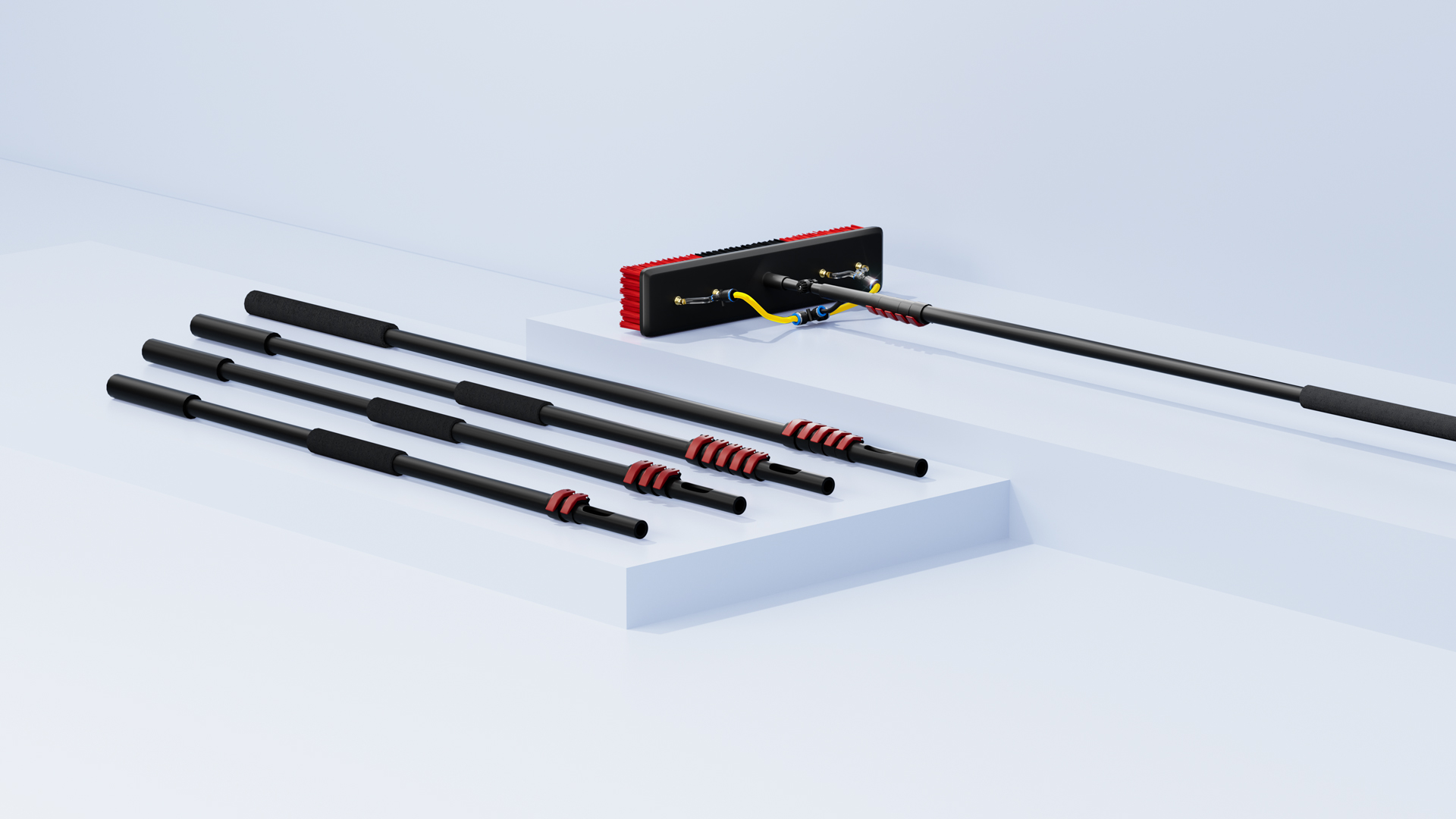
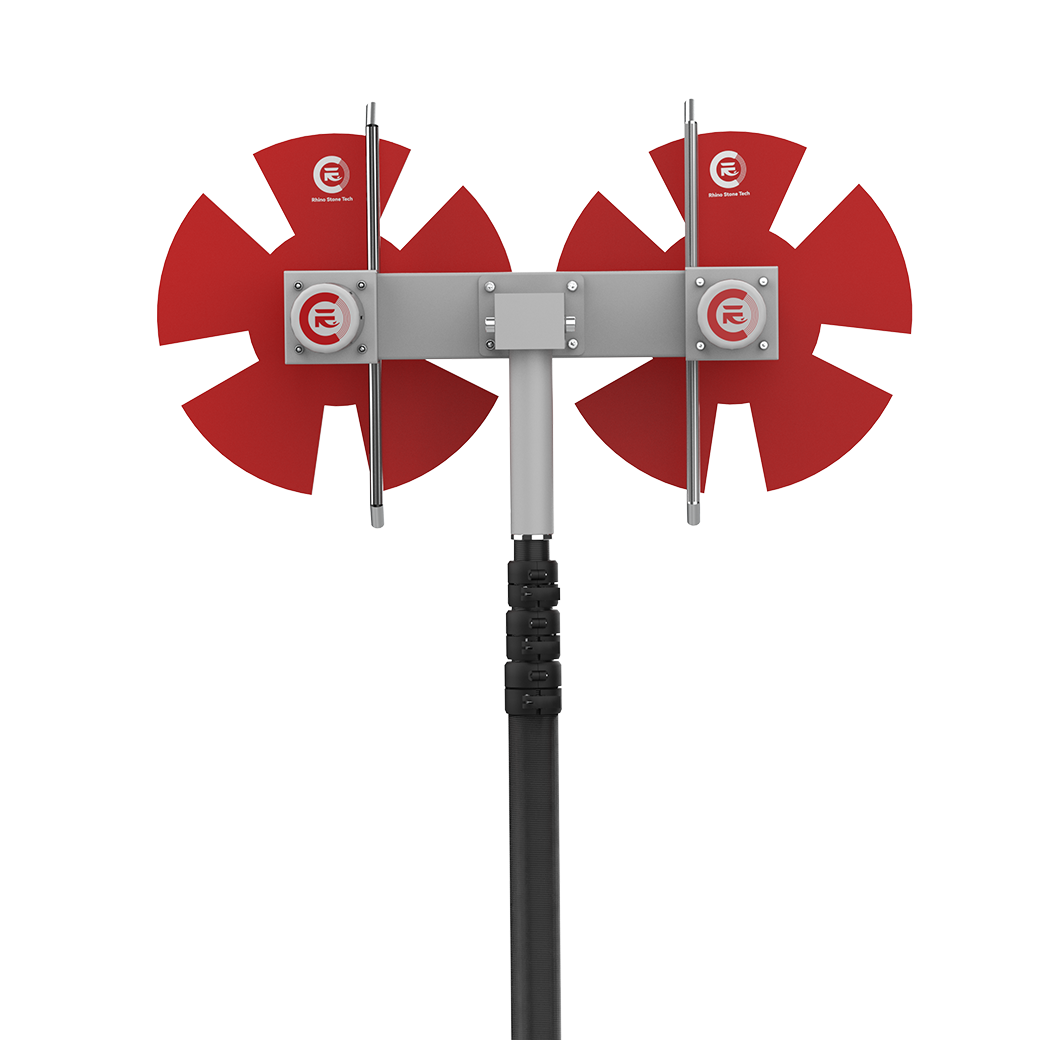
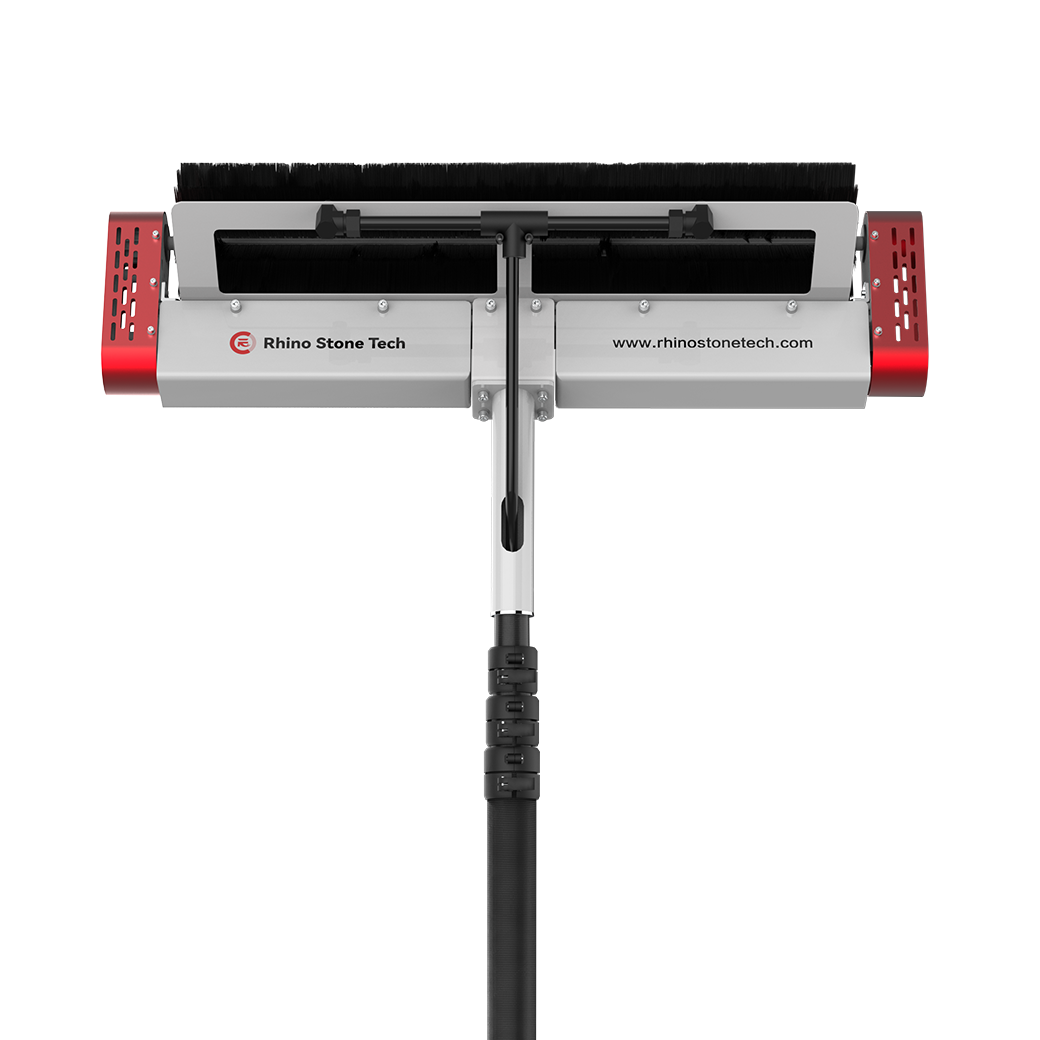
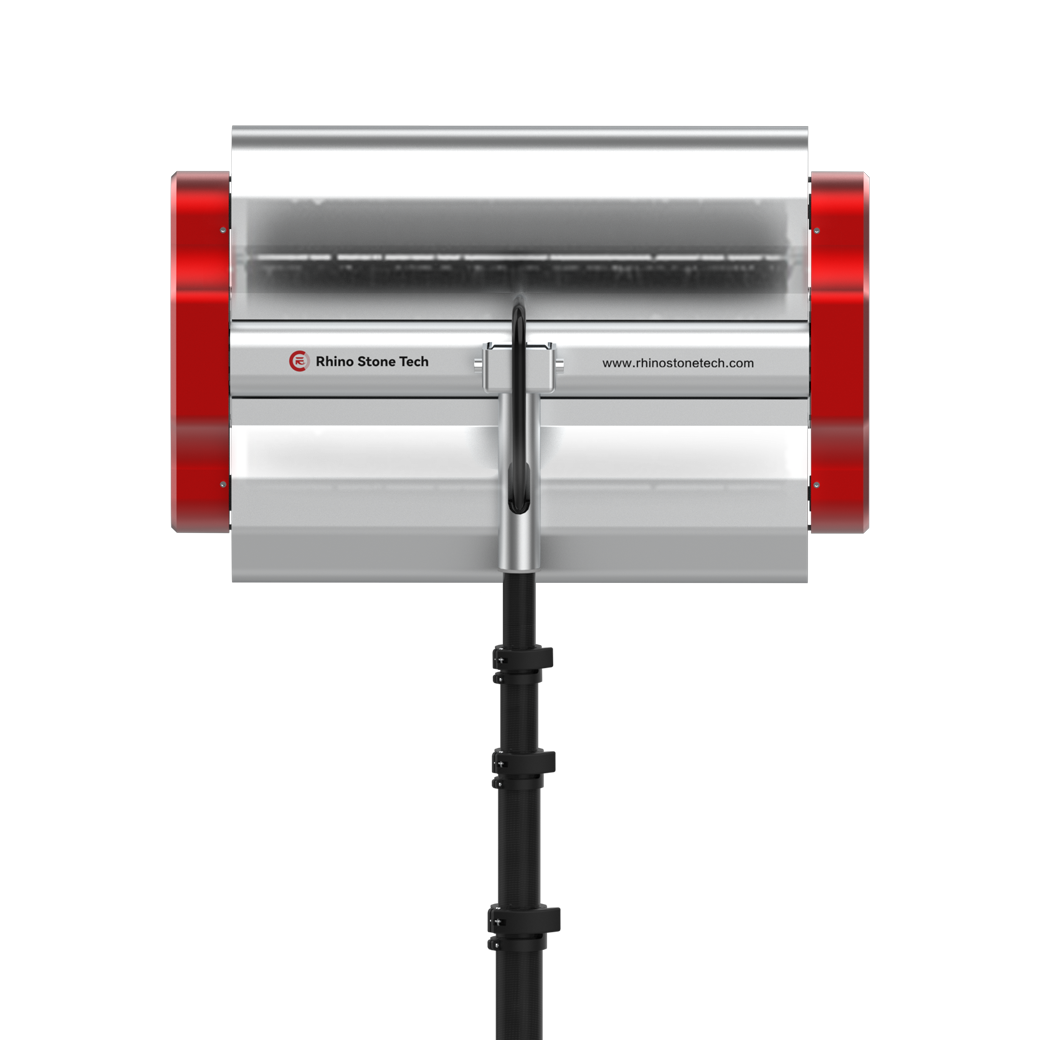
RHINOSTAR's lineup covers manual solar cleaning tools, powered solar cleaning equipment, and fully automated solar cleaning robots, giving commercial and industrial solar projects options suited to their specific conditions. For more on our equipment, visit our product page.
Don't Let "It Rained" Become an Excuse to Skip Cleaning
Natural rainfall is a limited helper in the solar cleaning process, but it can't replace professional cleaning — especially against stubborn contamination like pollen, bird droppings, or oily residue. Understanding where that line sits helps avoid the mistake of assuming "it rained recently, so we're fine," a decision that can quietly affect long-term power output.
FAQ
Q: What happens if solar panels aren't cleaned?
A: Built-up contamination continues to block sunlight, reducing power output. Heavy localized contamination, such as bird droppings, can also create a risk of localized hot spots that affect panel performance over time.
Q: How often should solar panels be cleaned?
A: There's no universal schedule. A more practical approach is to track power generation data — once efficiency shows a clear drop, it's time to clean.
Q: How should solar panels be maintained in arid regions?
A: Without natural rainfall to help, arid-region installations typically need a more proactive, regularly scheduled cleaning plan to prevent contamination from building up and reducing output over time.