
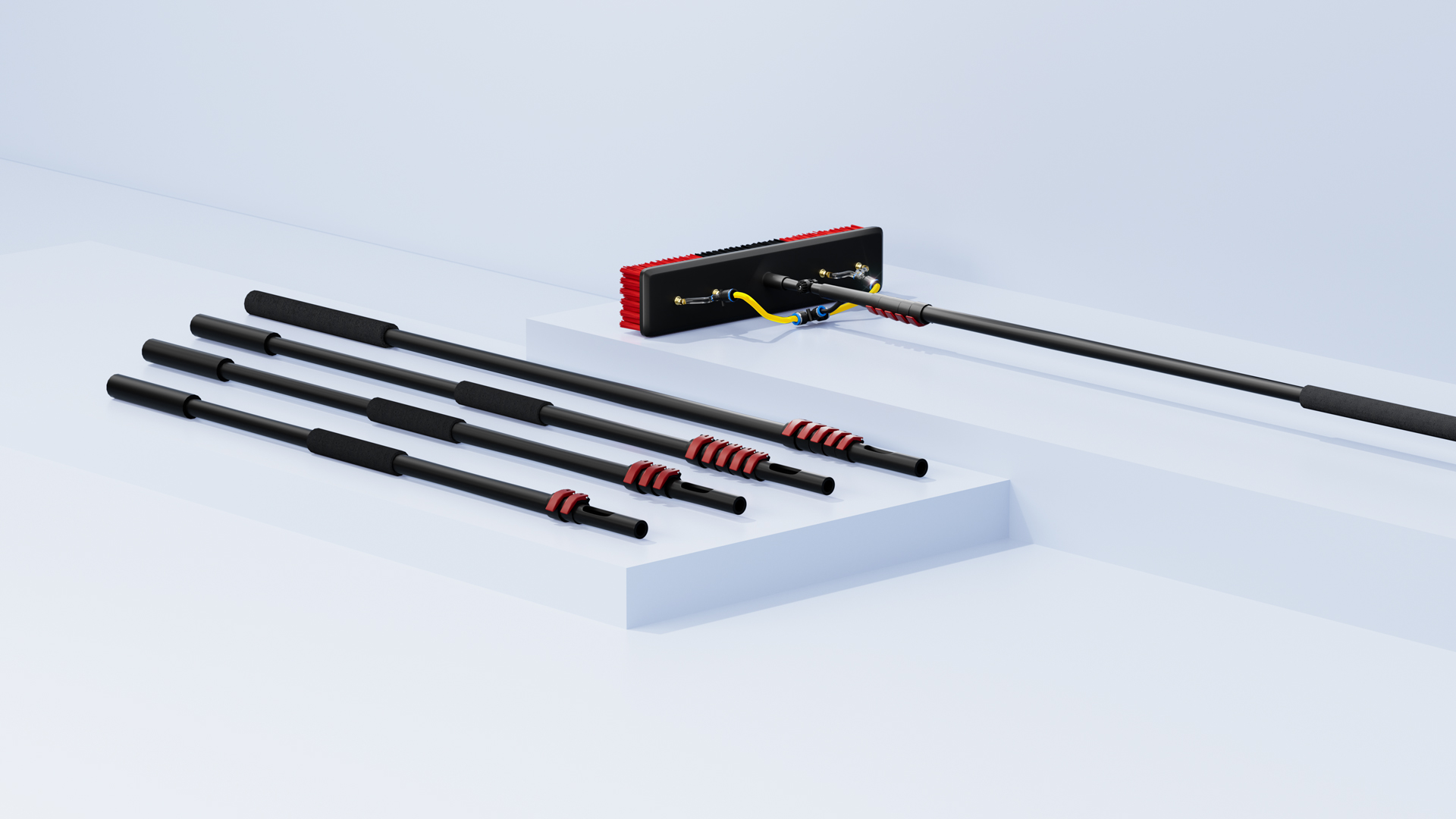
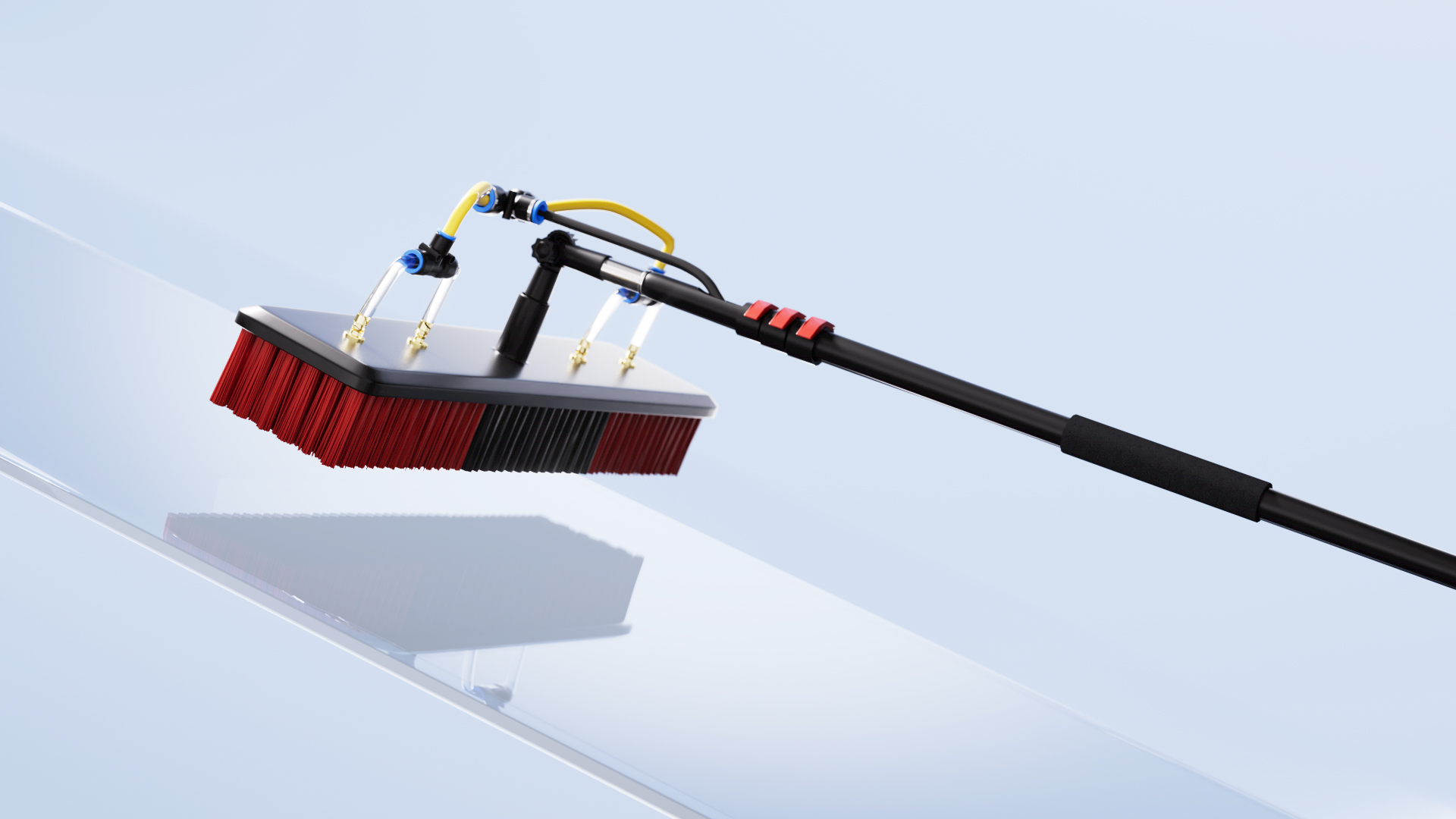
Relying on only one cleaning method can leave operators struggling to handle changing site conditions.
Wet cleaning provides more thorough cleaning results but relies on a stable water supply. Dry cleaning does not depend on water availability, but it has limitations when dealing with stubborn contaminants such as bird droppings. Each method has its own advantages and limitations, while many cleaning systems only support one approach, forcing operators to choose between cleaning performance and water dependency.
Dry Cleaning: Saving Water, But Limited Against Stubborn Contamination
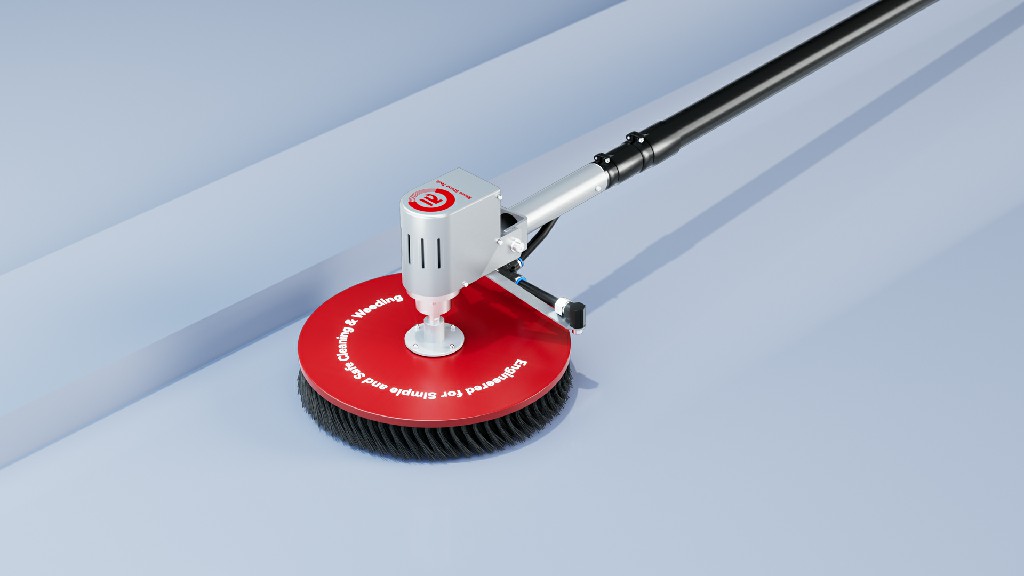
Dry cleaning uses mechanical brushing to remove dust and loose surface contaminants without water. Since it does not require a water source, it offers greater deployment flexibility and is suitable for water-scarce regions, desert solar farms, and large-scale ground-mounted projects requiring frequent maintenance.
However, dry cleaning has limitations when dealing with stubborn contaminants. Bird droppings, sticky residues, and other firmly attached contamination are difficult to remove completely through dry brushing alone, especially after long-term buildup.
Wet Cleaning: More Thorough, But Requires Water Availability
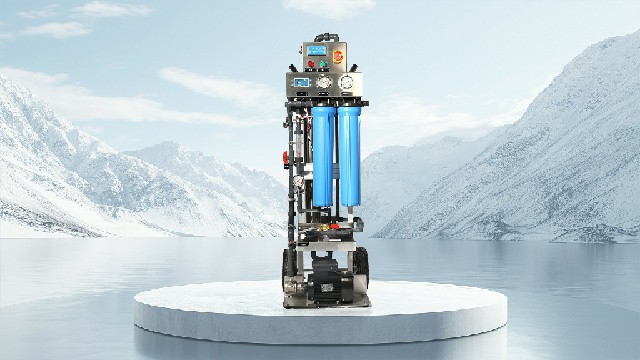
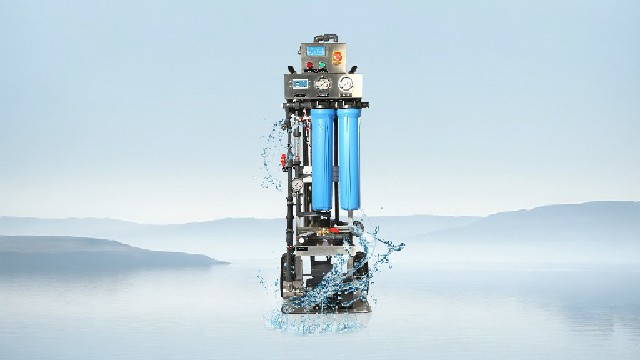
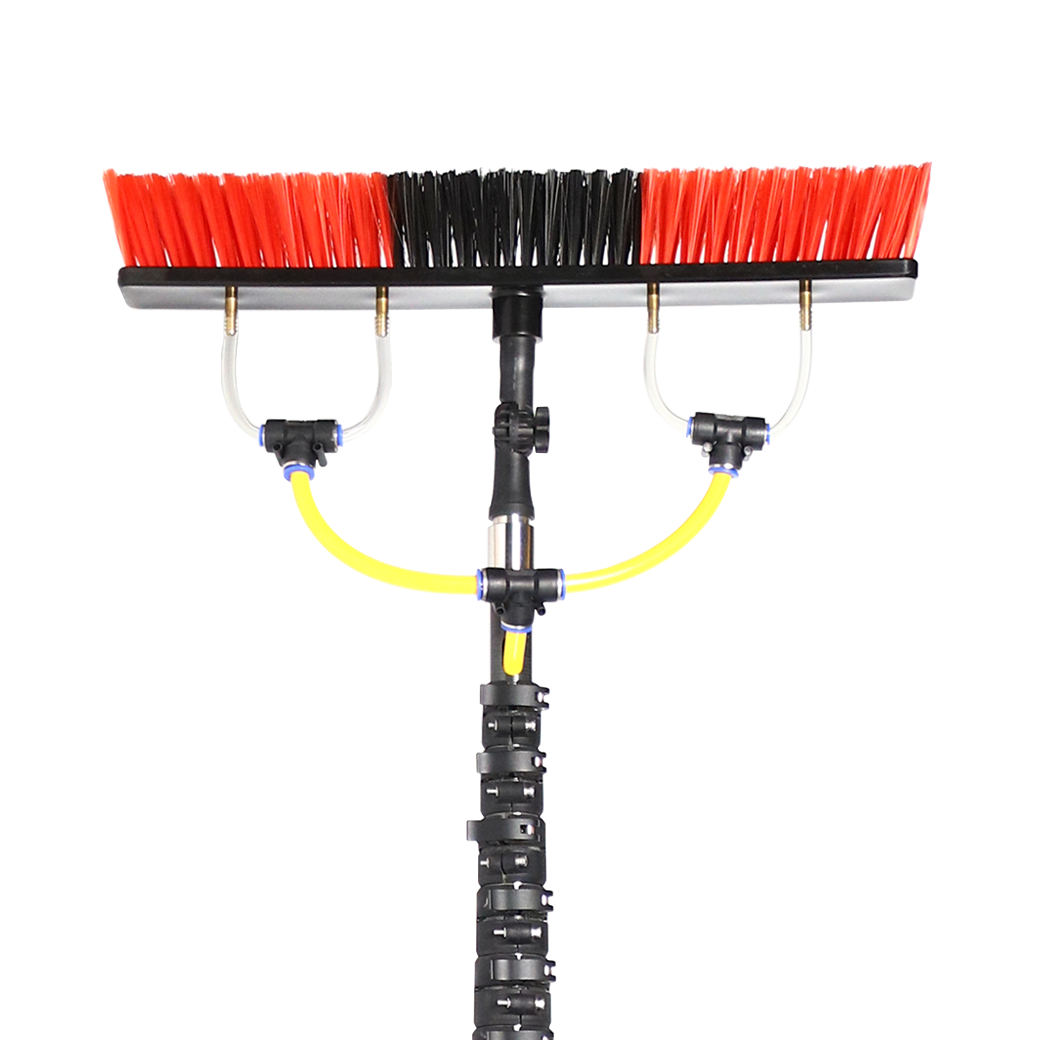
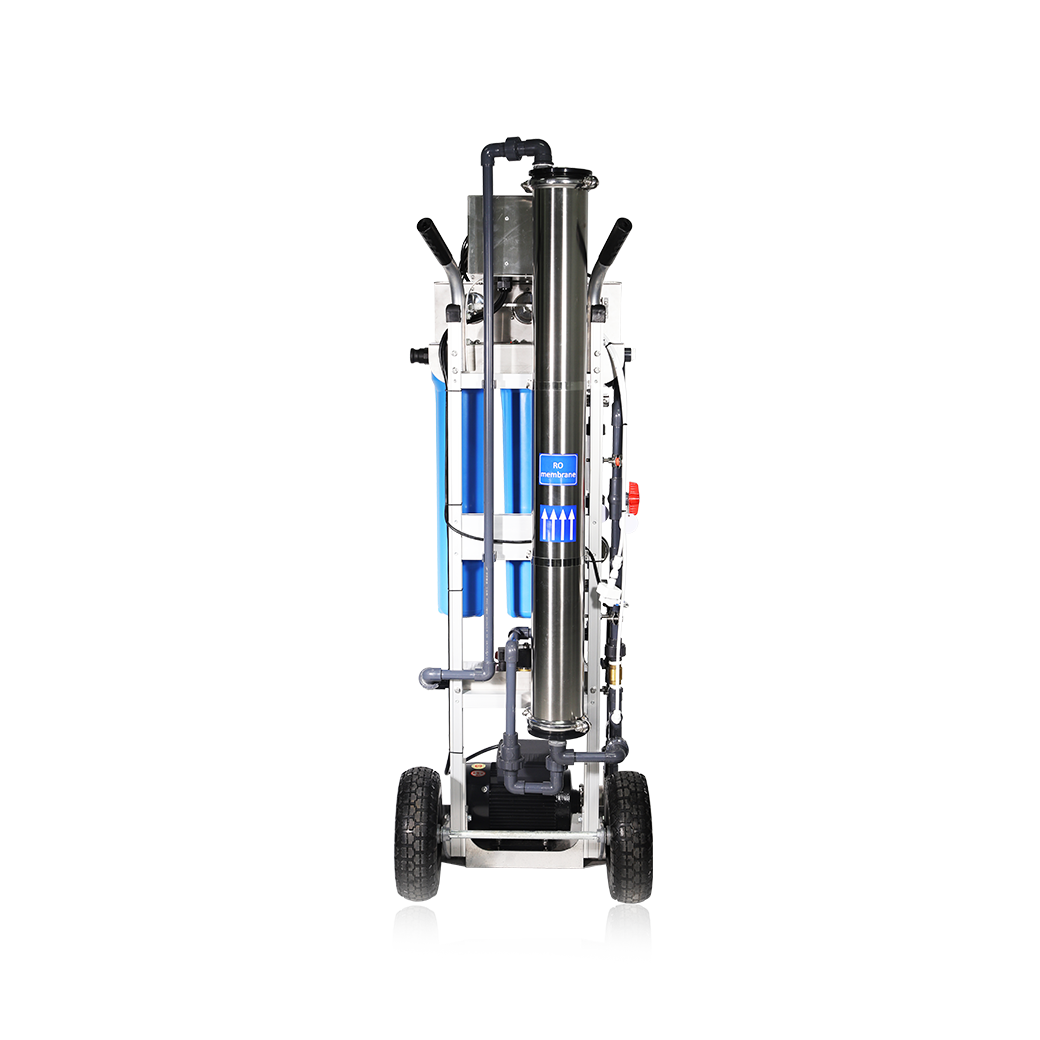
Wet cleaning is generally considered more effective for removing stubborn contaminants such as bird droppings and sticky residues, especially when combined with purified or deionized water. The trade-off is the need for a reliable water supply — in water-scarce regions, water transportation and management can significantly increase maintenance costs.
Choosing Between Dry and Wet Cleaning: It Depends on More Than Water Availability
Water availability is one of the most important factors. In dry regions or desert solar farms, dry cleaning is often a more practical solution.
However, seasonal contamination patterns should also be considered. During pollen seasons or bird migration periods, contamination types and intensity can change significantly. Some stubborn contaminants may remain even after rainfall, as we discussed in Does Rain Really Clean Solar Panels?
In these situations, combining regular dry cleaning with targeted wet cleaning can provide a more flexible maintenance approach. Many O&M teams find that dry cleaning as the default, with wet cleaning scheduled periodically, works best in practice.
Why Choosing Between Two Separate Systems Can Be a Challenge
A common question is: if dry and wet cleaning serve different purposes, why not simply use two separate machines?
It is possible, but it comes with additional costs. Many cleaning systems on the market are designed around a single cleaning mode: one machine focuses on dry cleaning and lightweight deployment, while another is designed for wet cleaning and tougher contamination.
For projects that require both approaches, purchasing two separate systems means higher equipment investment, more complicated equipment management, and additional challenges in transportation, storage, and on-site deployment.
A system that can switch between dry and wet cleaning modes reduces the need to replace or switch between different machines when cleaning requirements change.
Dry, Wet, and Dual-Mode Cleaning at a Glance
| Cleaning Mode | Water Requirement | Suitable Applications | Contamination Handling |
| Dry Cleaning | No water required | Water-scarce and dry environments | Loose dust and surface debris |
| Wet Cleaning | Requires water supply | Areas with available water & heavier soiling | Strongly attached residues |
| RHINOSTAR Dual-Mode Cleaning | Flexible switching | Multiple application scenarios | Supports different cleaning needs |
One System, Two Cleaning Modes: RHINOSTAR Dual-Mode Cleaning Solution
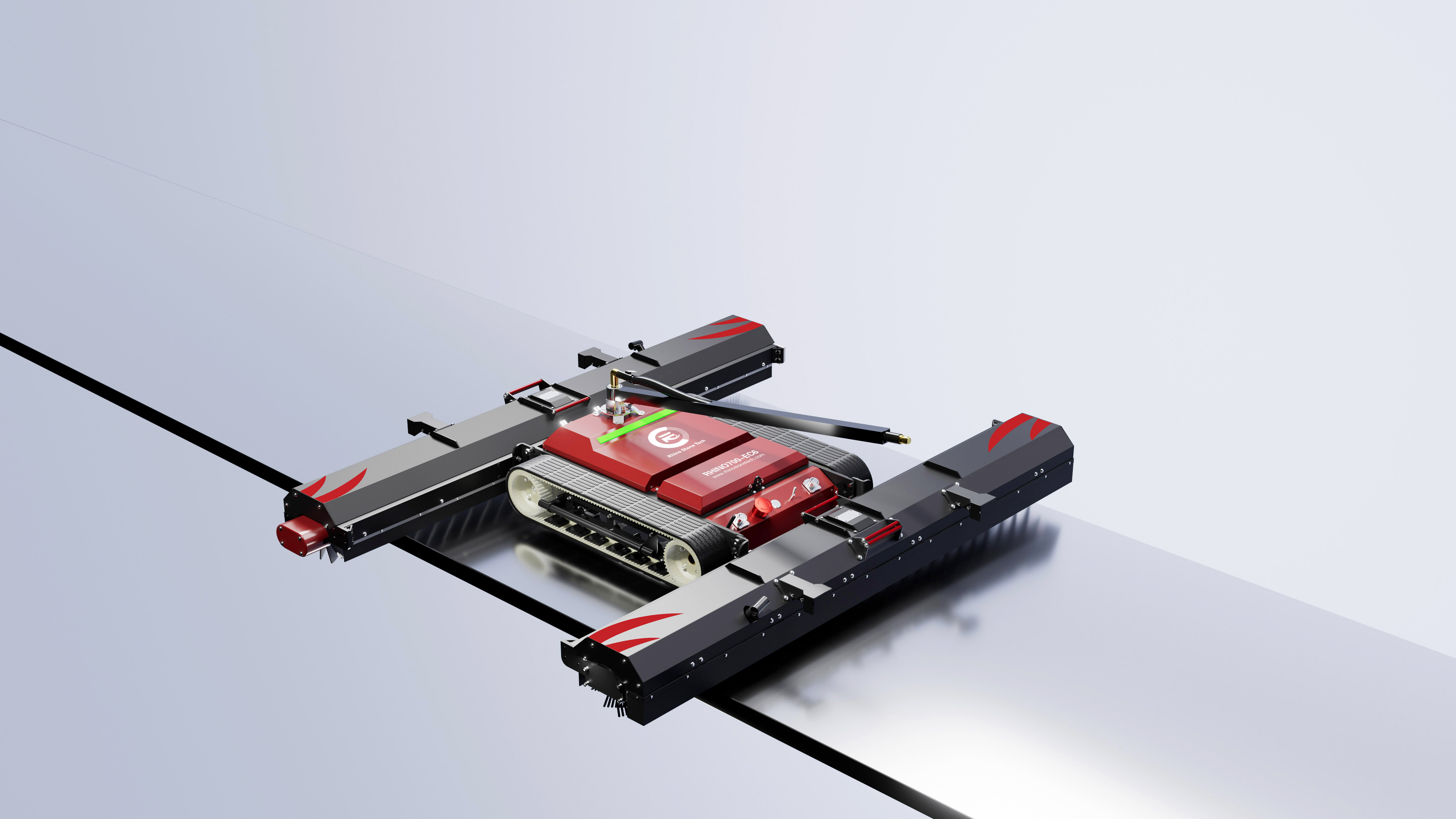
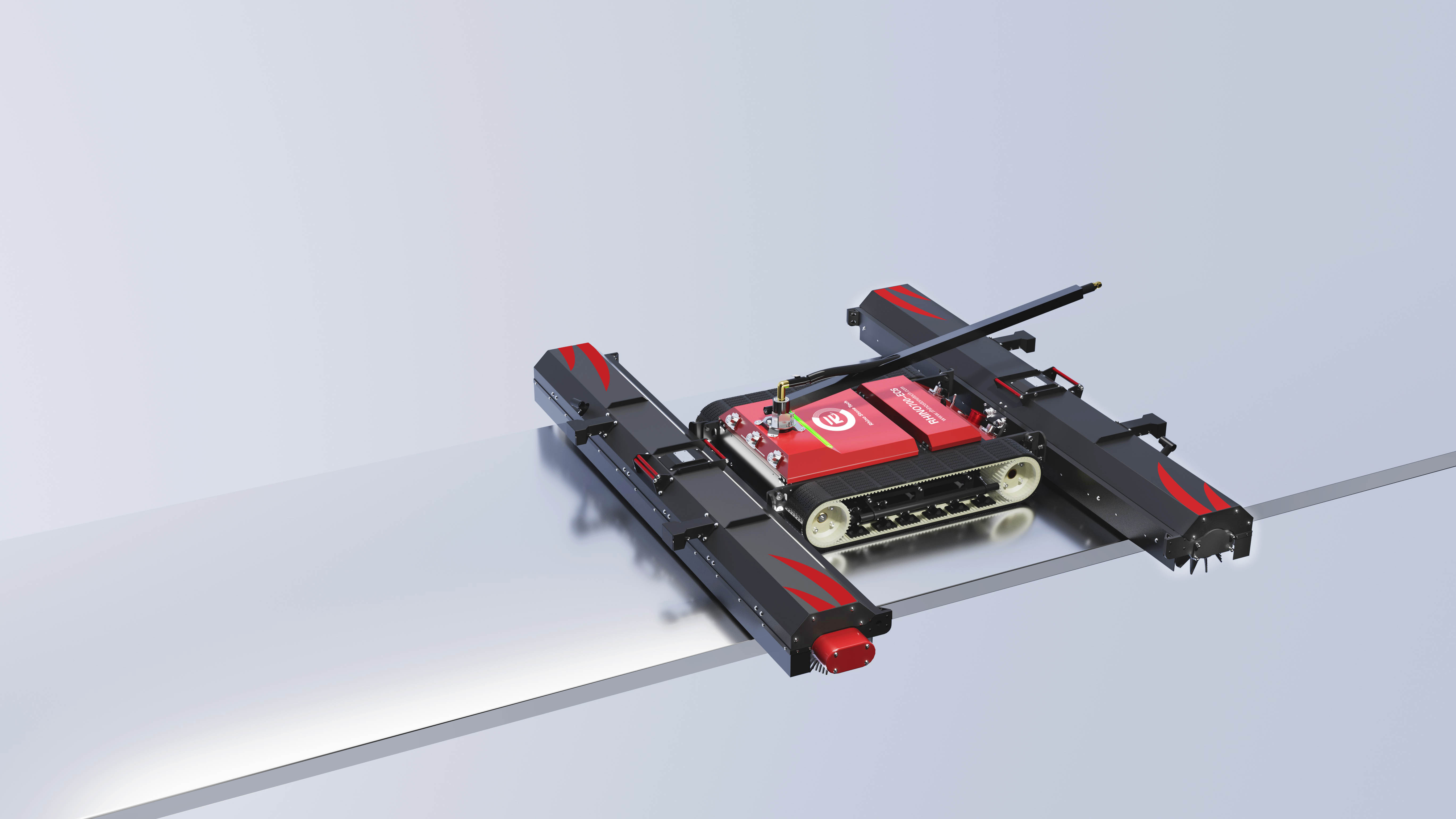
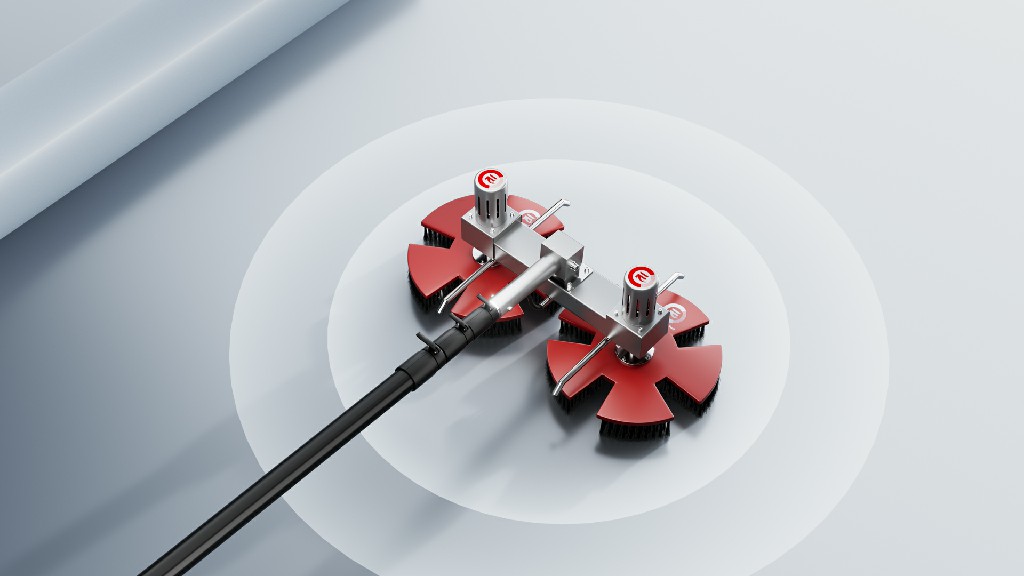
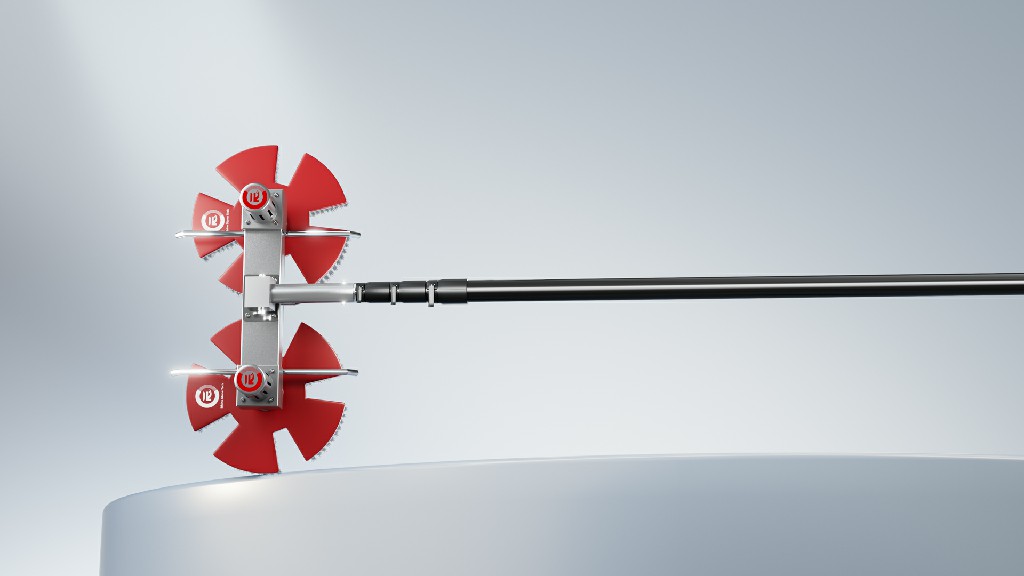
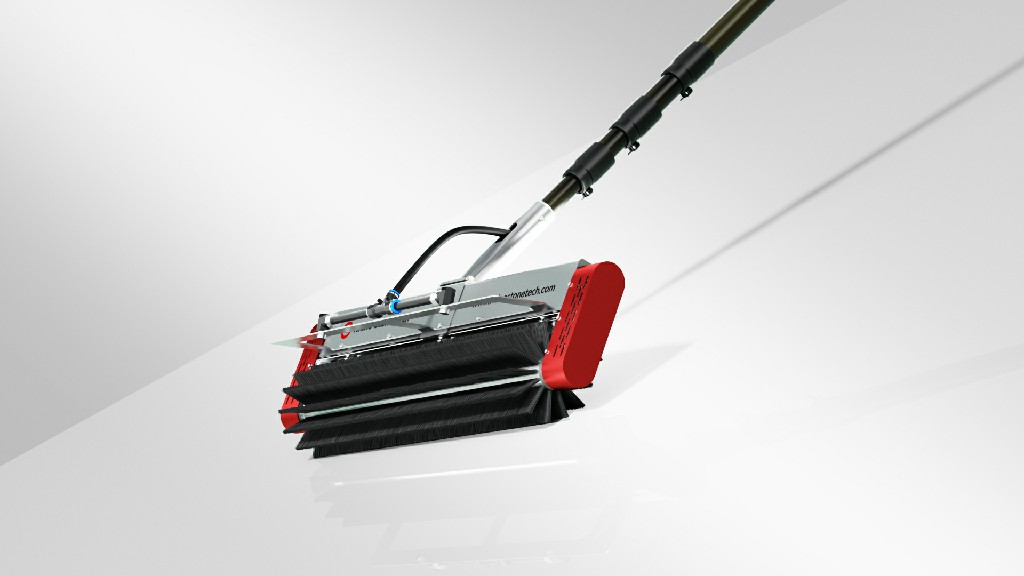
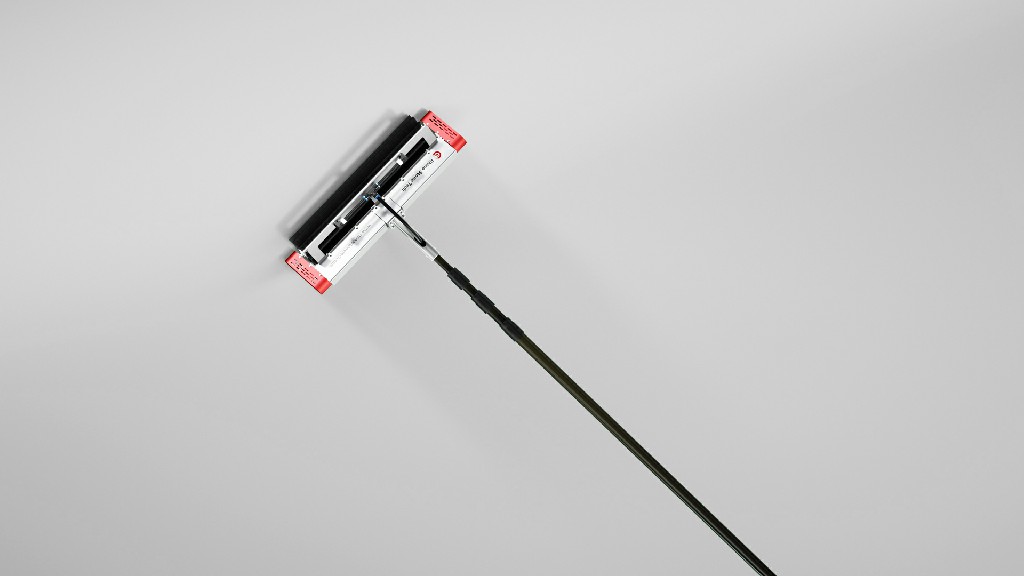
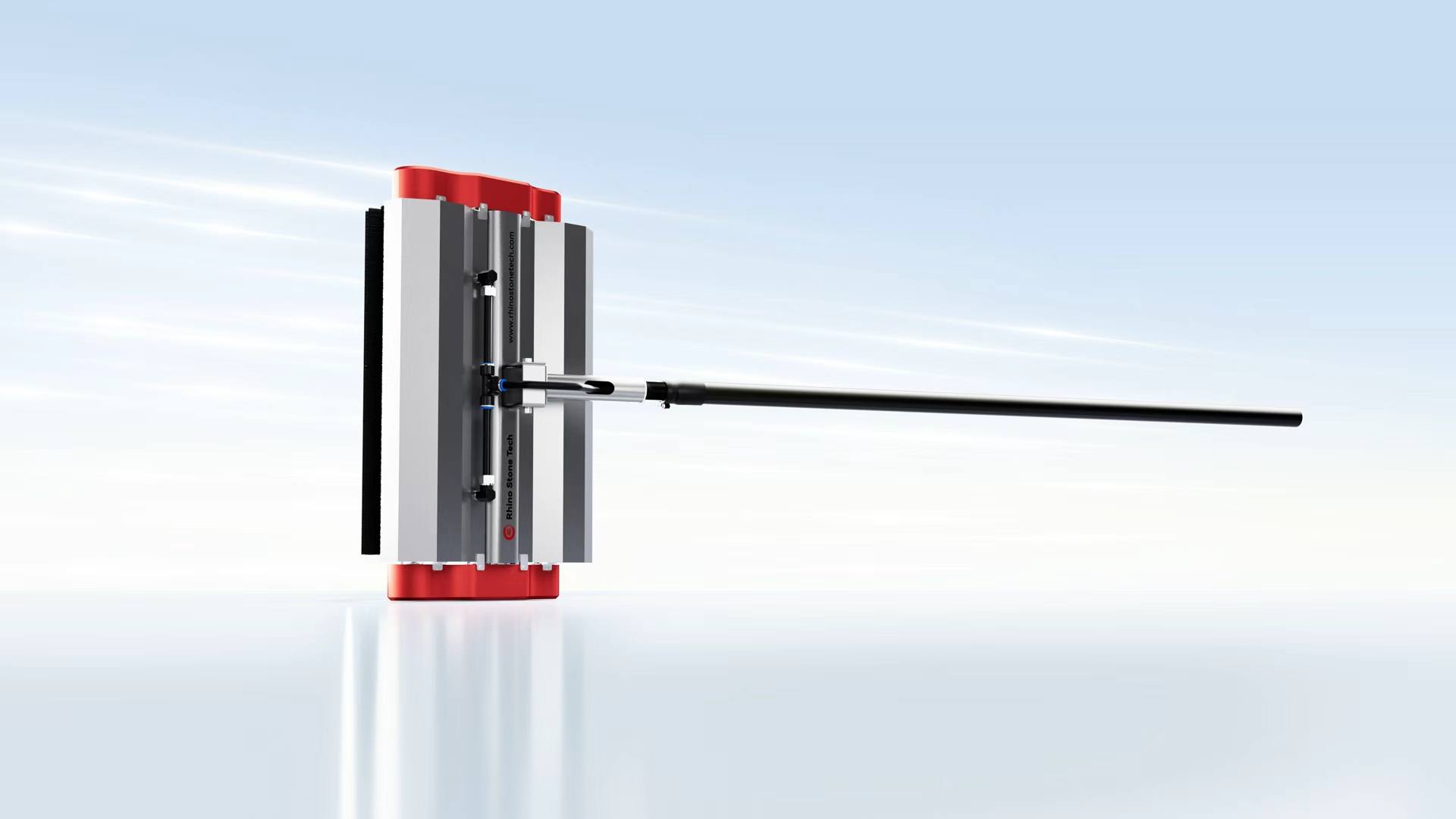
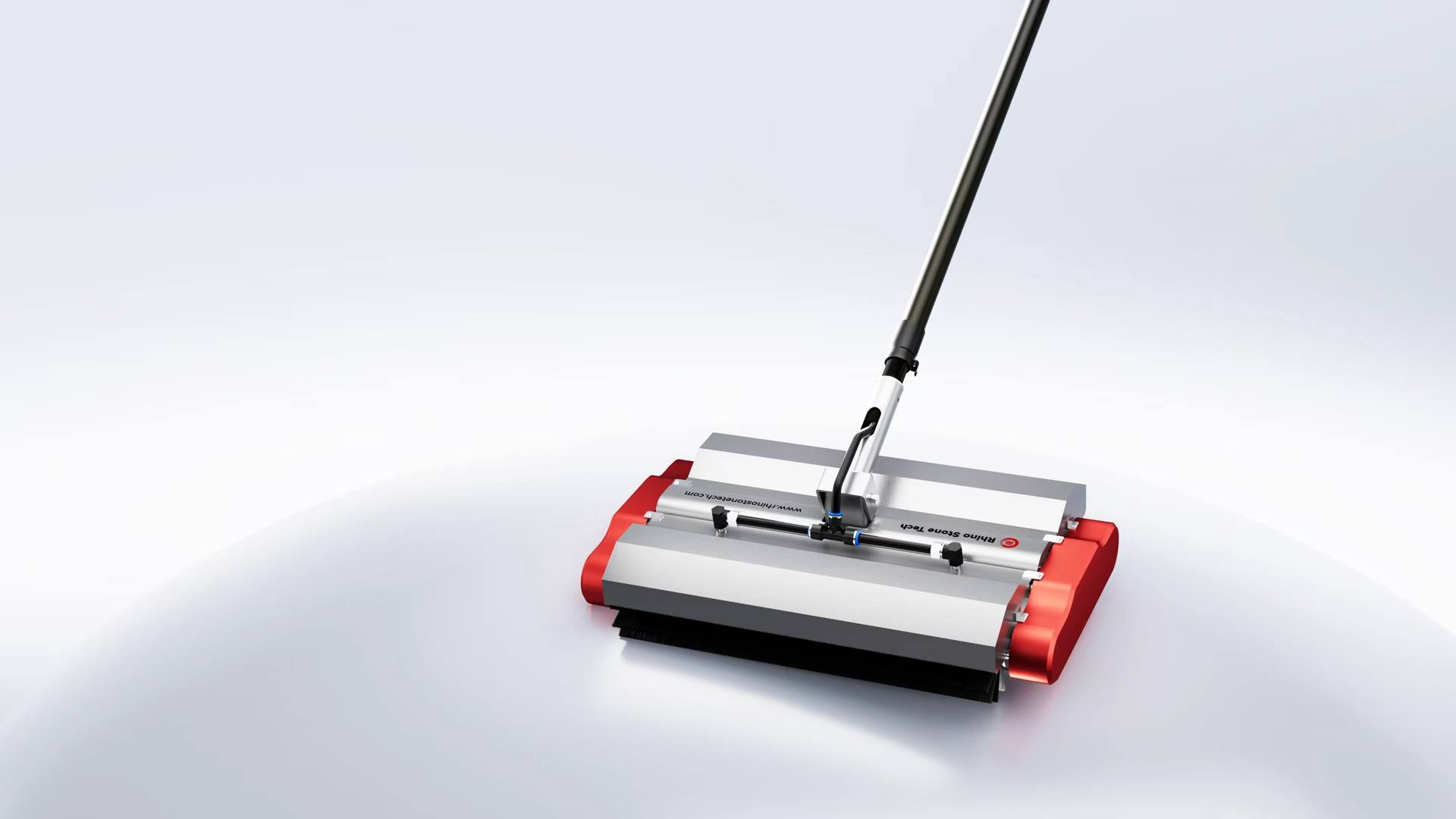
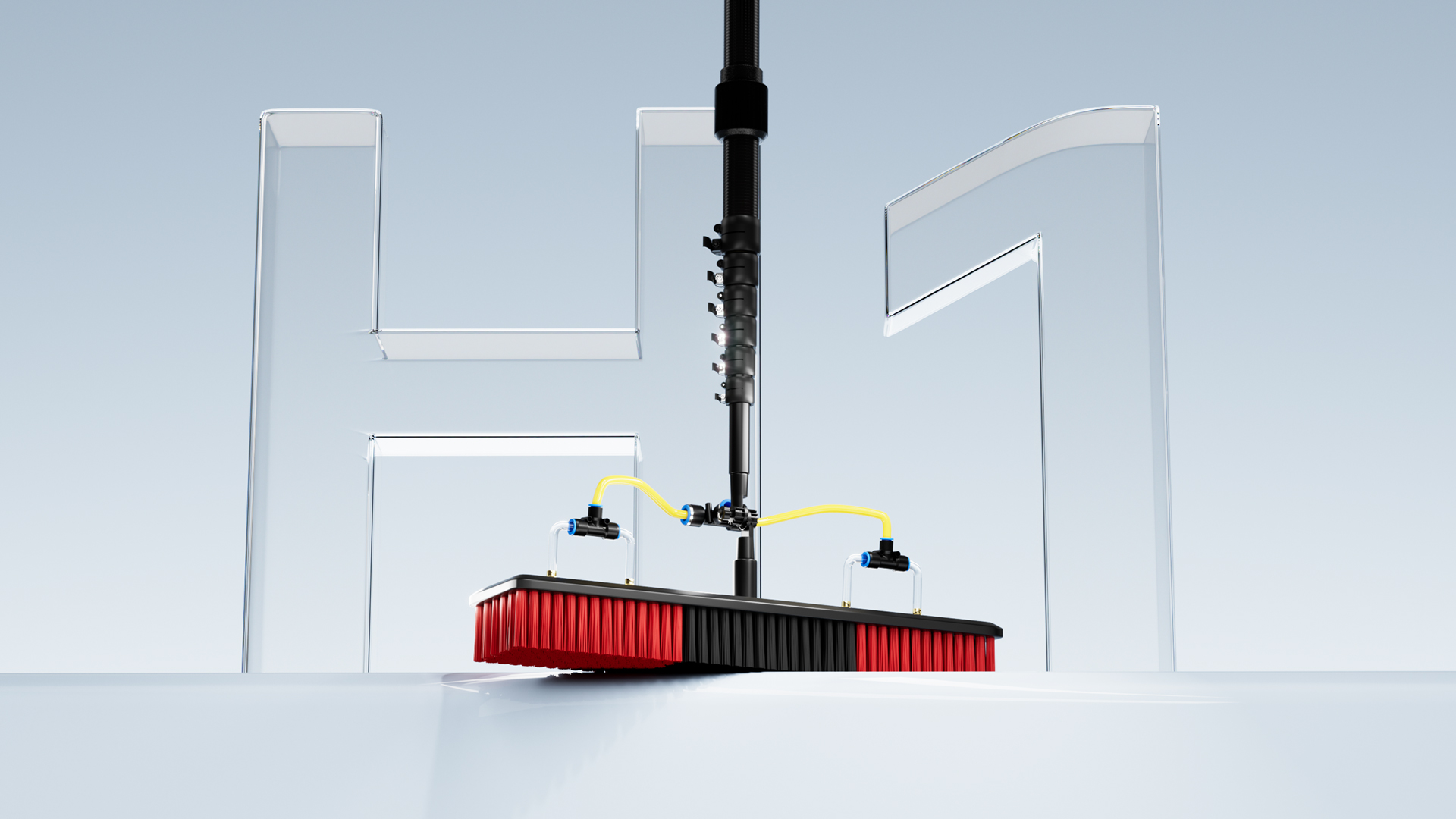
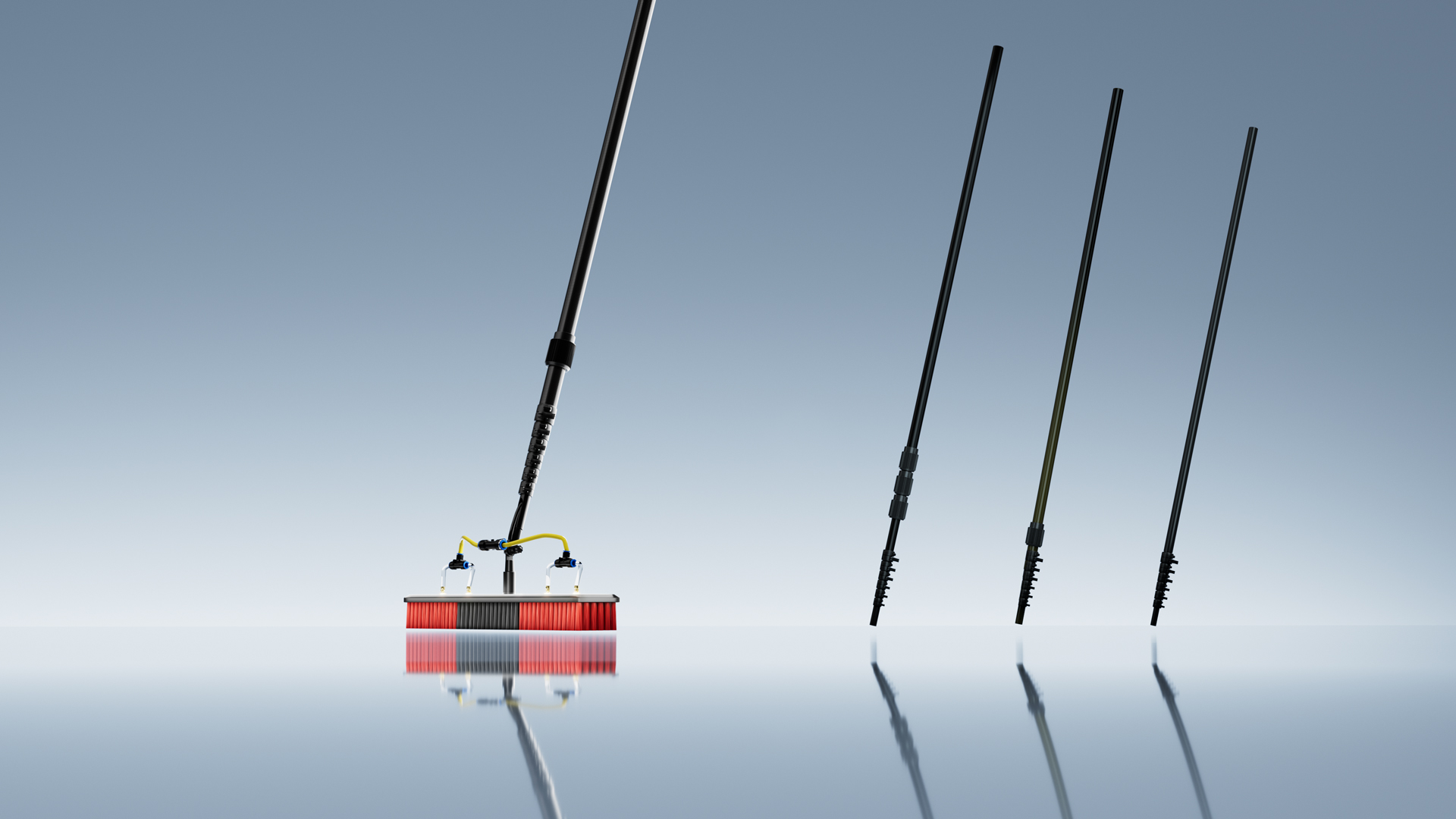
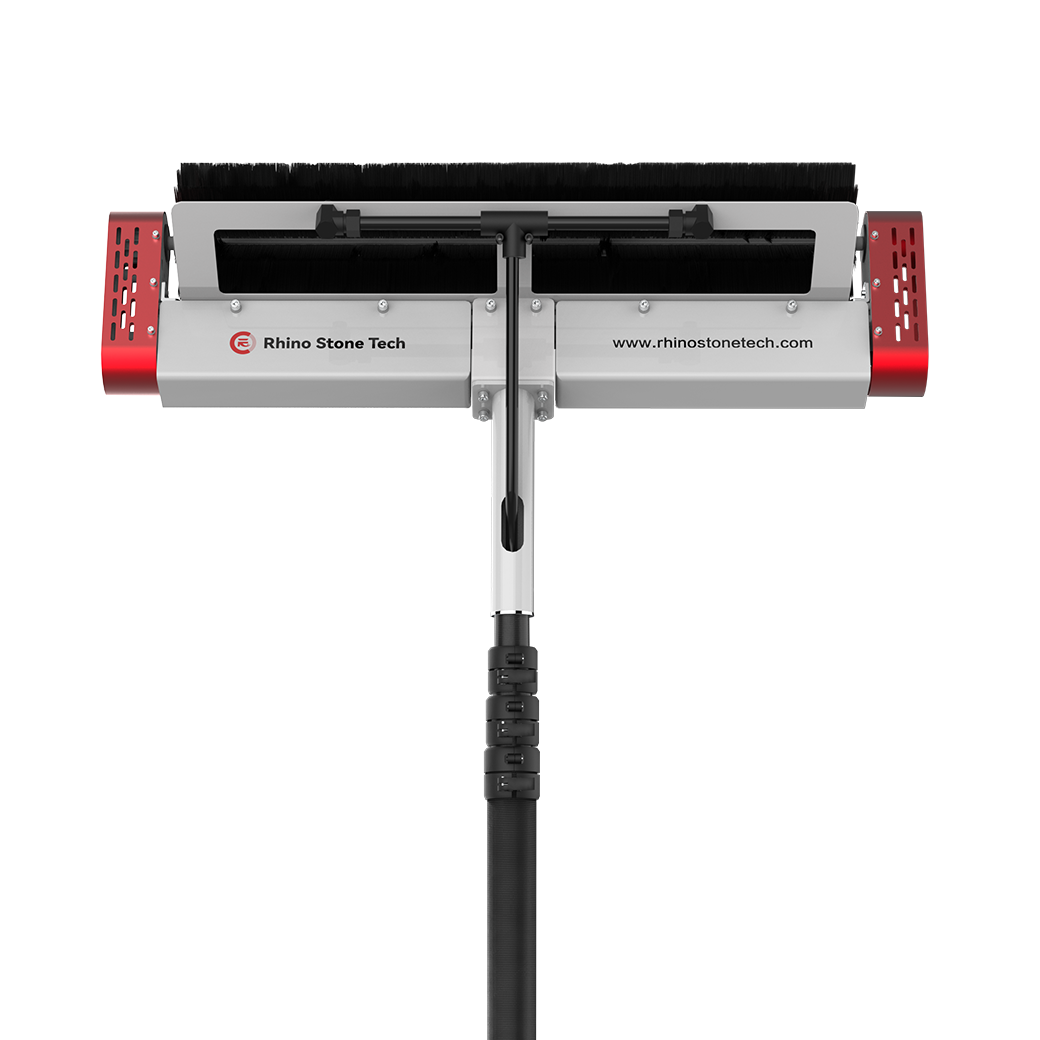
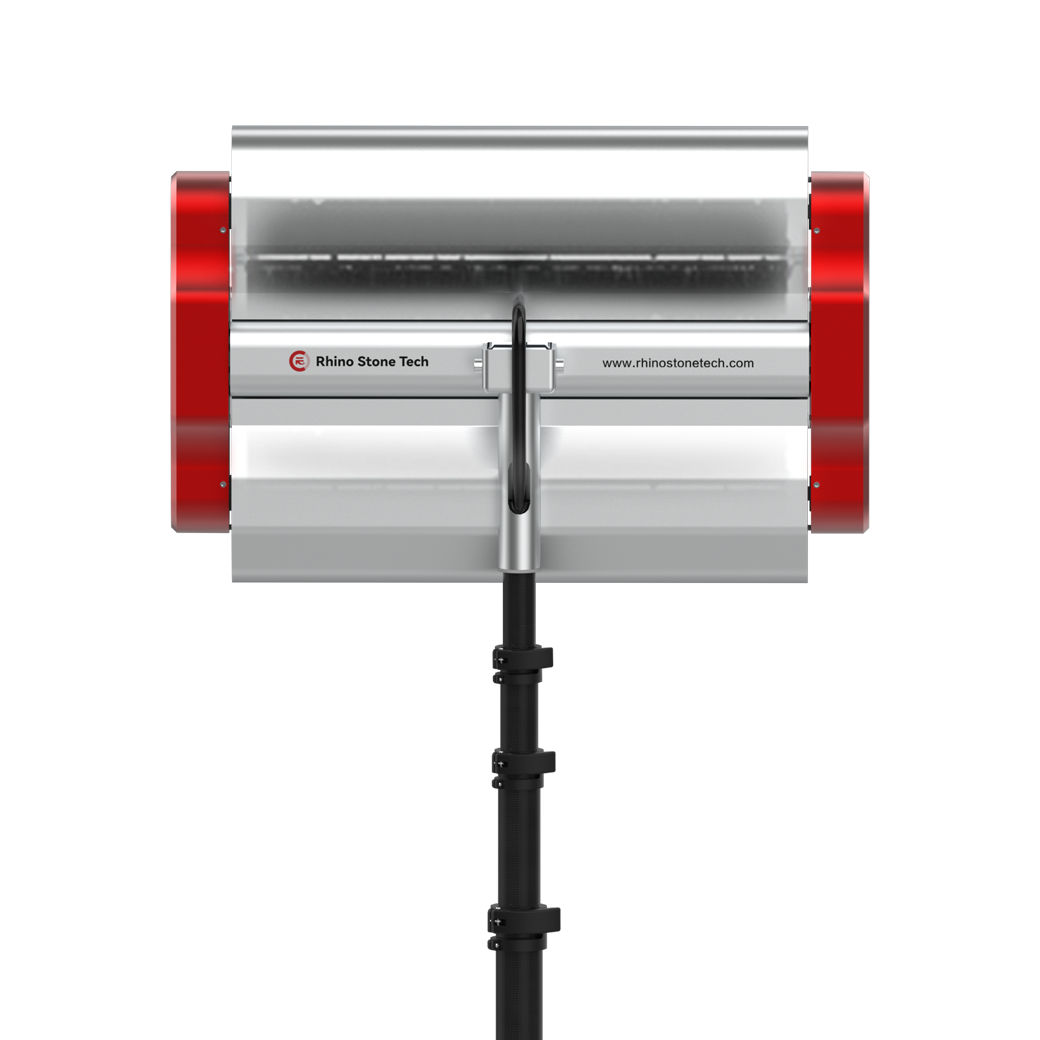
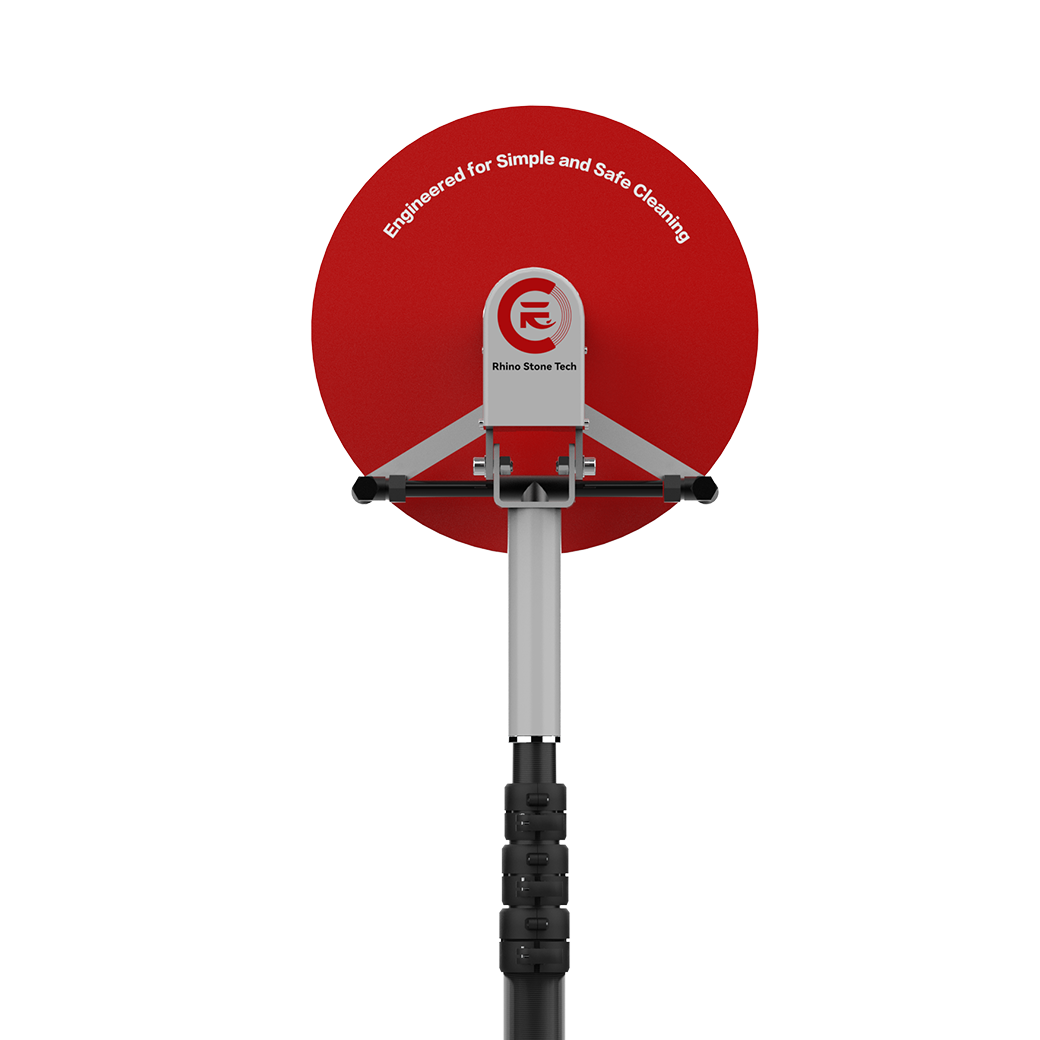
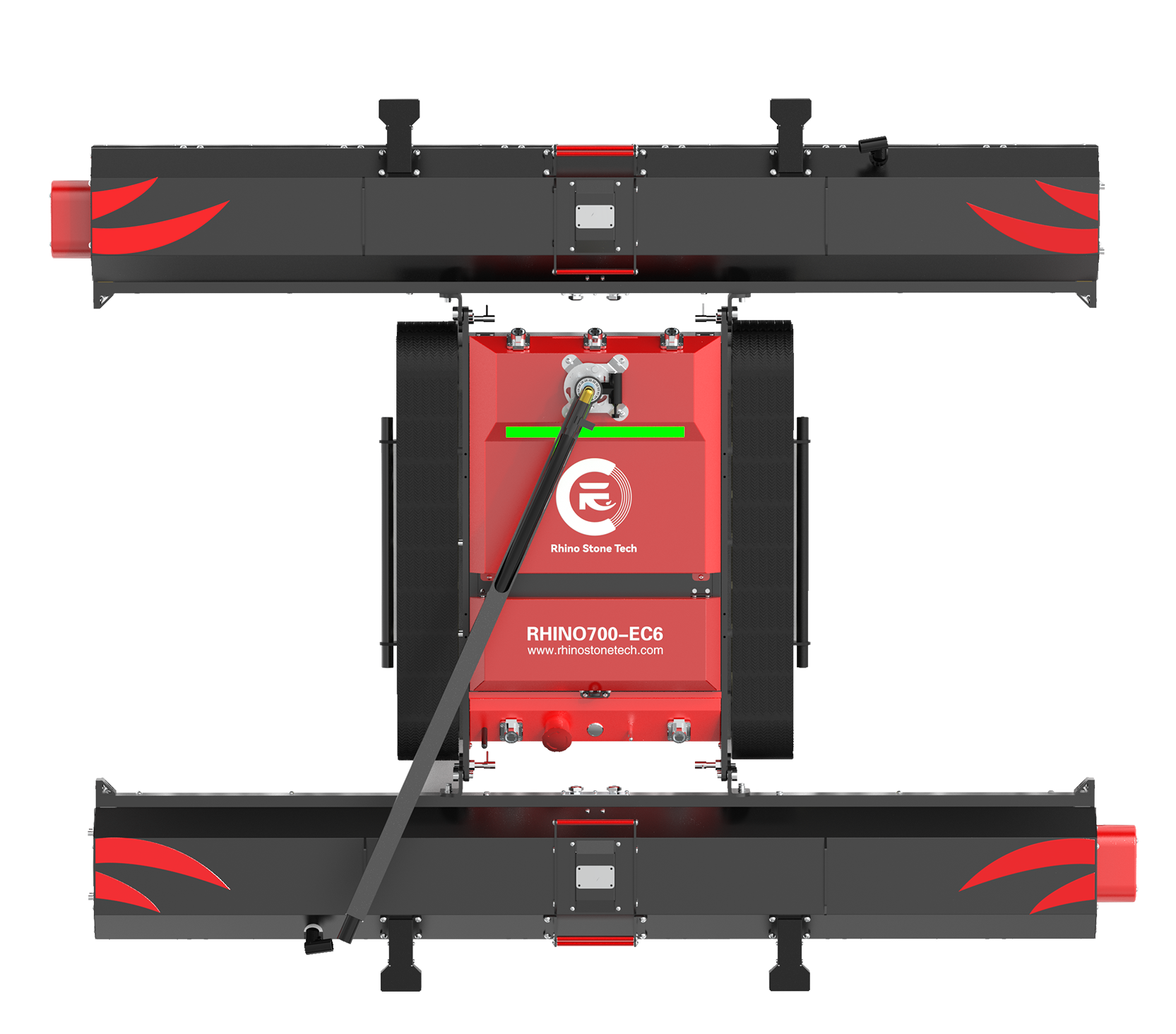
RHINOSTAR cleaning systems support both dry and wet cleaning modes.
When water is available, the system can connect directly to a water supply for wet cleaning. When water availability is limited, operators can switch to dry cleaning mode without replacing the entire system.
To learn more about dual-mode solar cleaning solutions, visit our product page.
Flexibility Is Becoming Essential for Long-Term Solar Cleaning
There is no single cleaning method that works for every solar application. The key is selecting the right approach based on actual site conditions.
From routine maintenance in water-scarce regions to deep cleaning in complex contamination environments, factors such as water availability, contamination type, and maintenance schedules continue to change. The ability to adjust cleaning methods accordingly affects not only individual cleaning results but also long-term operational efficiency and cost control.
FAQ
Q: Is it complicated to switch RHINOSTAR equipment between dry and wet cleaning modes?
A: No. Dry and wet cleaning use different roller brushes, and switching modes only requires a simple brush replacement process along with connecting or disconnecting the water supply.
Q: Does dry cleaning require frequent maintenance?
A: Maintenance frequency depends on operating conditions, cleaning frequency, and dust levels. Routine maintenance mainly involves checking brush wear and replacing components when necessary.
Q: Is purified or deionized water required for wet cleaning? Can regular tap water be used?
A: Purified or deionized water is recommended. Minerals in regular tap water may leave residues on panel surfaces over time, affecting cleaning performance and potentially affecting panel cleanliness and light transmission.