
Utility-scale PV plants depend on consistent output, and O&M teams need cleaning equipment that can be supported through repeated cleaning cycles. When comparing one solar panel cleaning equipment supplier with another, differences usually appear in documentation, product range consistency and how quickly the technical team answers specific questions. Most manufacturers can send a spec sheet. Fewer can explain how brush widths map to row spacing or what happens when a spare part is needed years after delivery. Before a technical call, procurement and asset managers can assess four areas: compliance background, product range, brush customization and pre-inquiry support.
What O&M Teams Should Expect from a Solar Panel Cleaning Robot Manufacturer
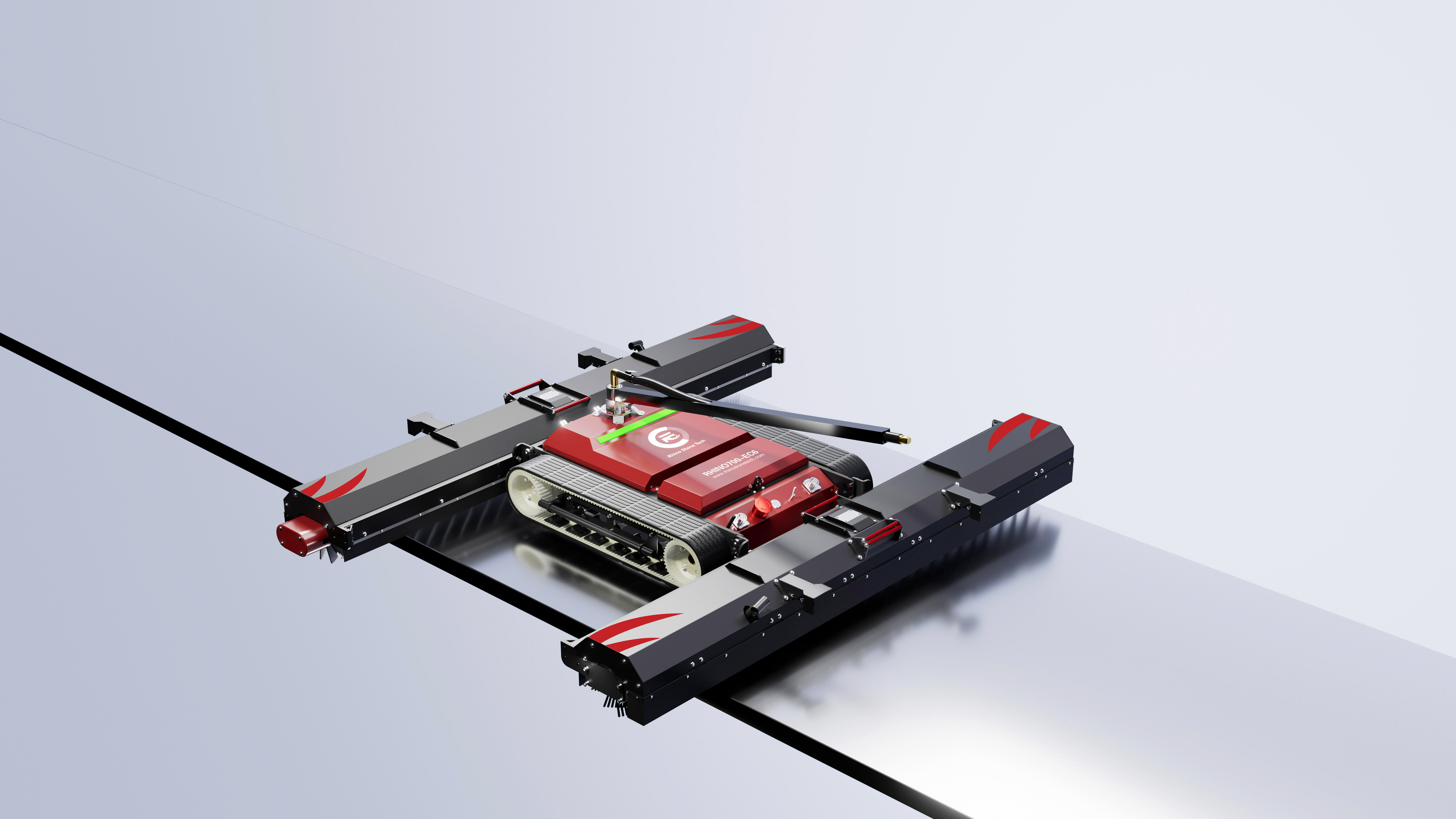
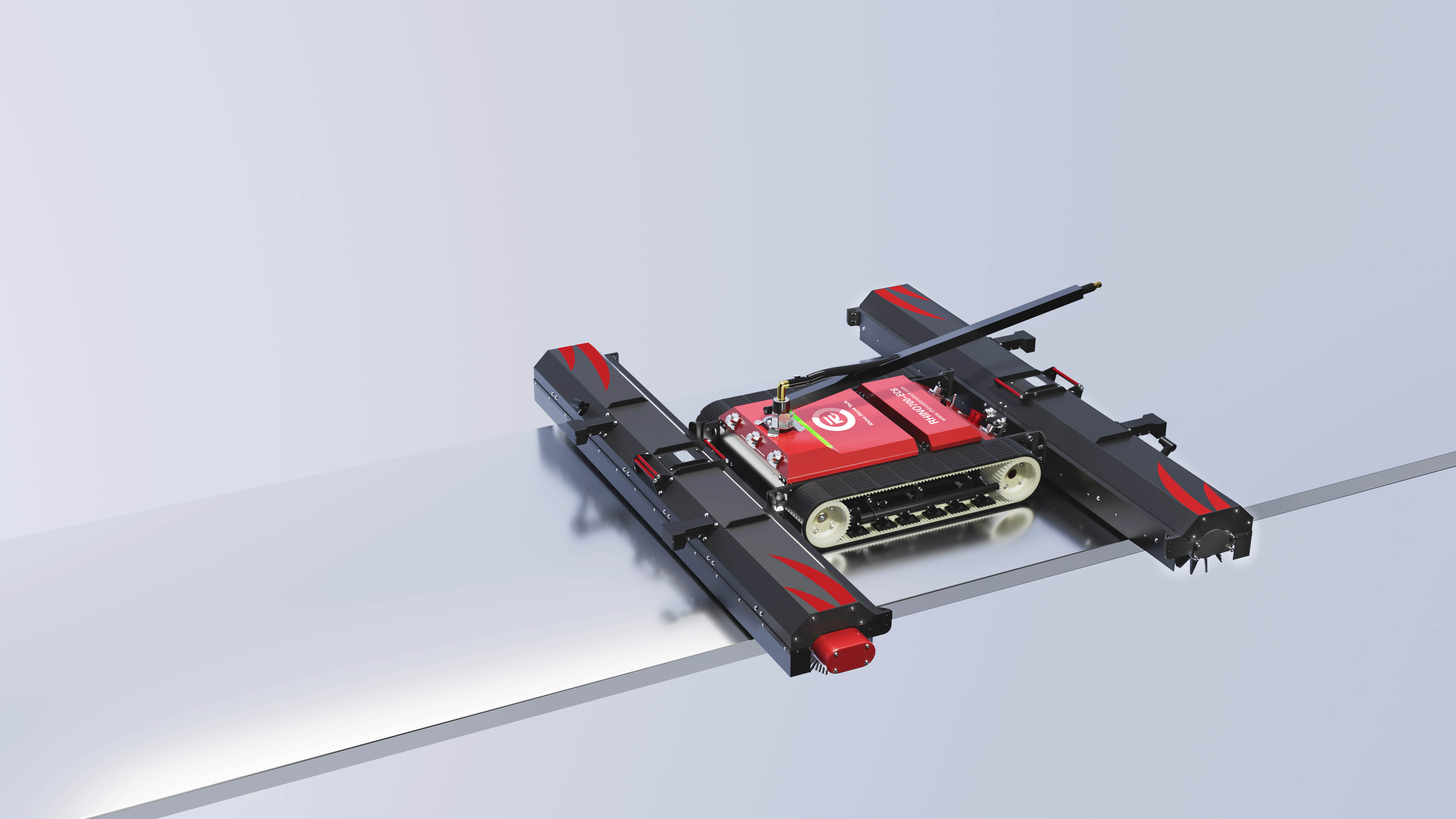
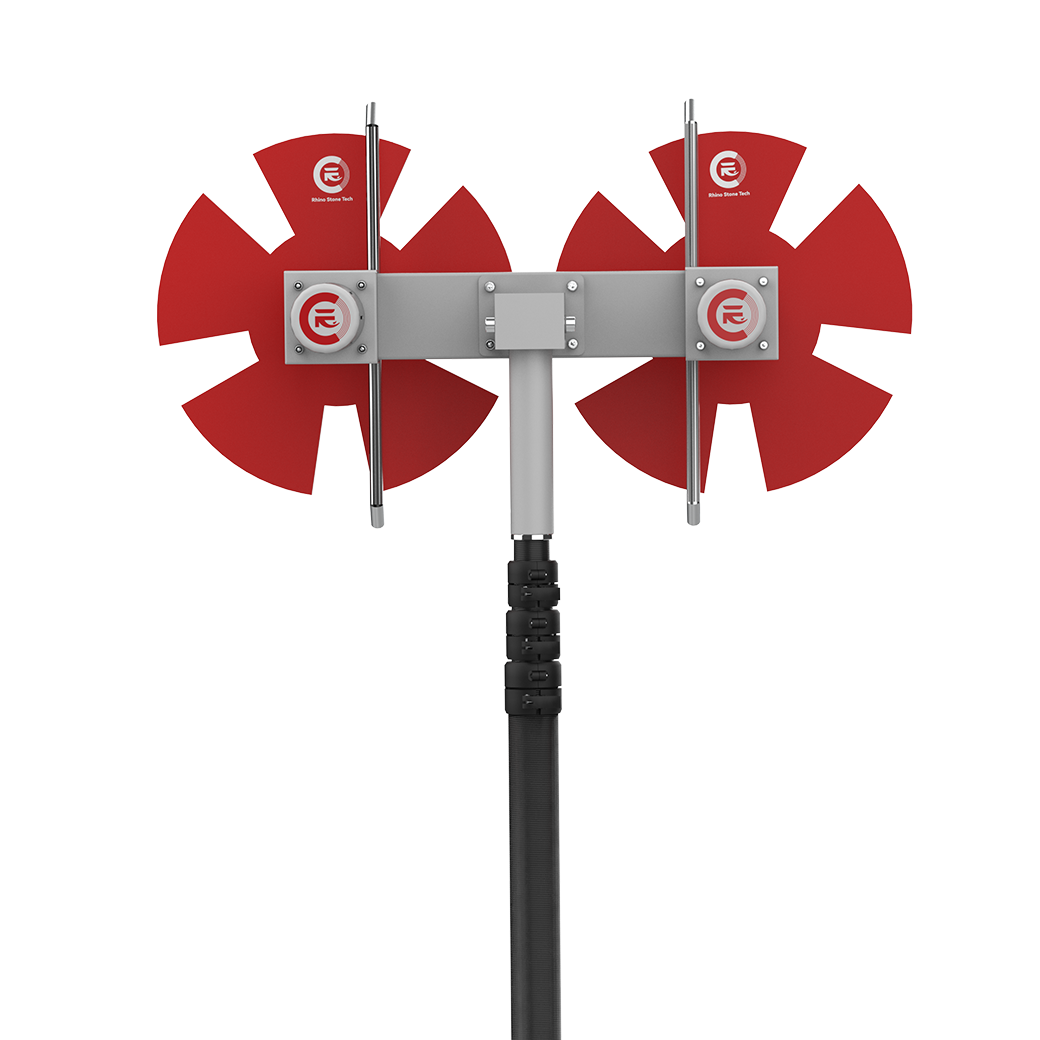
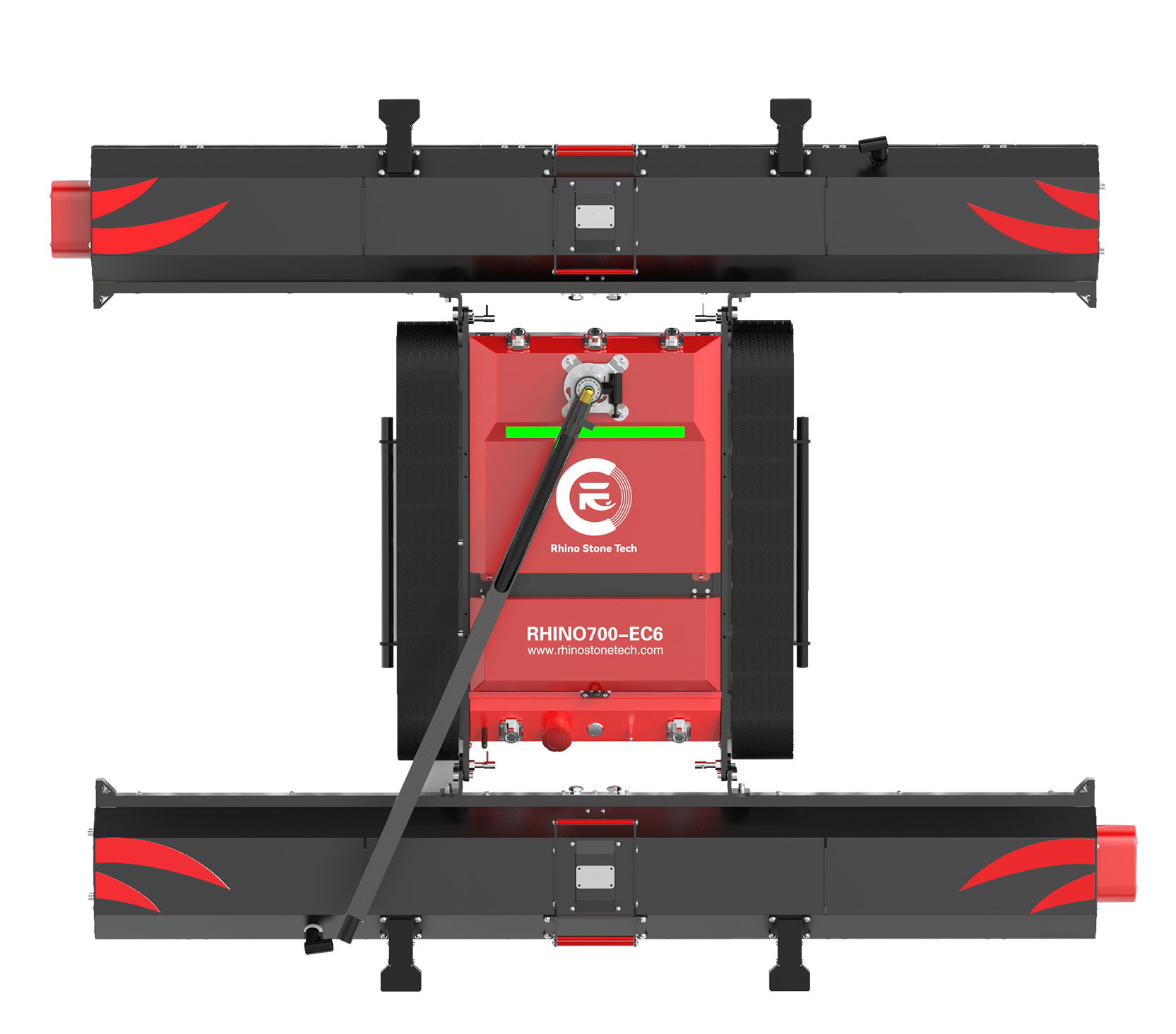
For a utility-scale PV plant, a solar panel cleaning robot manufacturer should be more than a vendor. It should support the equipment through seasonal cleaning cycles, brush replacements and technical issues after commissioning. At the screening stage, O&M teams can expect clear compliance documentation, a product range that covers different array formats, evidence of design investment, and a direct route to technical support. Start with compliance files. CE certification and an ISO 9001 manufacturing statement are baseline items, but the documents behind those claims matter more than a logo. Ask for the certificate or declaration of conformity. Check that its scope covers the solar panel cleaning robot model under review, and confirm that the manufacturer name and product series match the quotation. A model-name mismatch can reflect internal branding, but resolve it before the documents enter a procurement file. Product range consistency shows whether the manufacturer can match different array layouts. A supplier that offers brush widths from 0.9 m to 1.3 m and soft, medium and hard PBT bristles can address different soiling types and panel sizes within one product family. That range also simplifies spare-parts planning across a plant or portfolio, because multiple array layouts can be covered by the same product family. Design depth appears in signals such as patents. Rhino Stone Tech, the company behind the RHINOSTAR-EC6 remote-controlled crawler-type cleaning robot, states 29 authorized patents. That record adds useful context when you assess design depth alongside documentation and support answers. The technical support path should be clear. Look for a contact route for questions about brush width compatibility, spare-parts availability or operator training, not a generic sales inbox. When the manufacturer's technical team answers specific questions during screening, treat that as a sign of support readiness.
CE Marking and Machinery Safety in Commercial Cleaning Equipment
CE marking is the European Union's regulatory conformity system. It shows that a product meets applicable health, safety and environmental requirements, including relevant machinery safety rules. For commercial cleaning equipment, applicable rules can cover mechanical hazards, electrical safety, emergency-stop functions and stability. CE marking is a manufacturer's conformity statement within a regulatory system, distinct from third-party performance ratings, and it should come with a declaration of conformity that lists the directives and standards the product meets. O&M teams screening a manufacturer should ask for that declaration and check that the cleaning robot model is listed by name. If the document covers a product family rather than a specific model, verify that the family includes the configuration under evaluation. A manufacturer with organized paperwork should share it readily. For the RHINOSTAR-EC6, the manufacturer states CE certification; request the declaration as part of the standard inquiry. ISO 9001 is separate from CE marking. It is a quality management system certification; CE marking addresses product conformity. A manufacturer with ISO 9001 certification has documented processes for production consistency, non-conforming product handling and supplier quality management. For utility-scale plants, production consistency matters because spare parts, brush widths and bristle specifications need to stay stable across orders. Ask for the ISO 9001 certificate and check that the scope includes solar panel cleaning equipment manufacturing. The manufacturer states ISO 9001 manufacturing for its cleaning robot line, and the certificate scope should align with the product under evaluation. Use CE marking to confirm regulatory conformity and ISO 9001 to confirm a documented quality process. Both are useful screening filters. A technical review of the robot's specifications remains the next step, and together the documents show that the manufacturer operates within a recognized compliance and quality system.
Product Customization and Support Before a Technical Inquiry
1. Brush Width and Bristle Choices Should Match the Array Layout
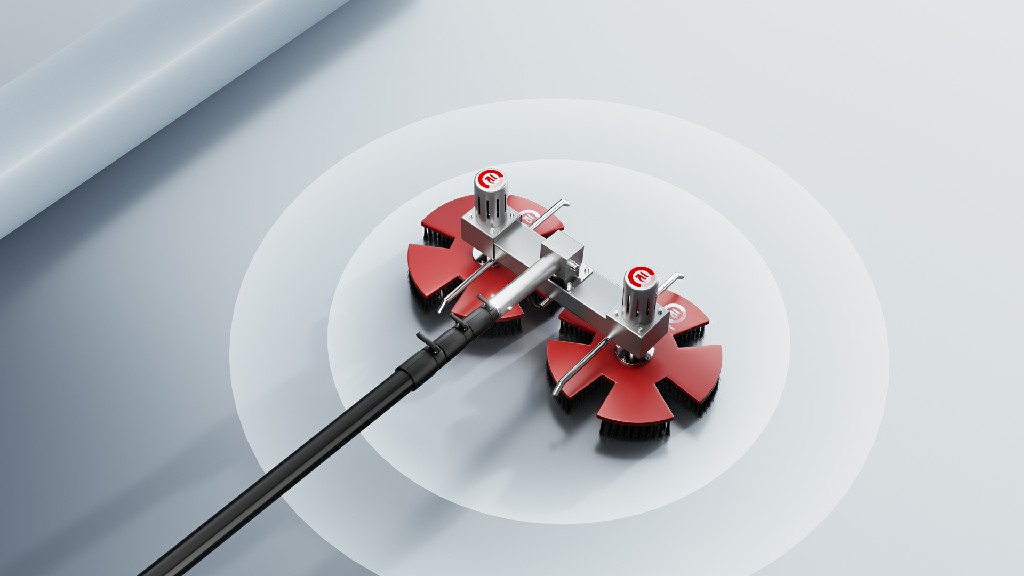
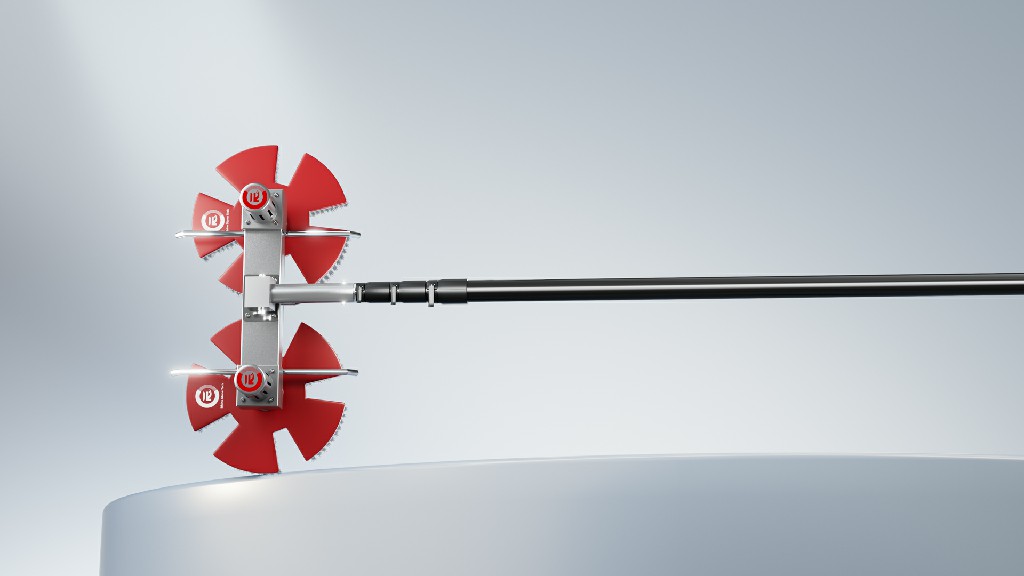
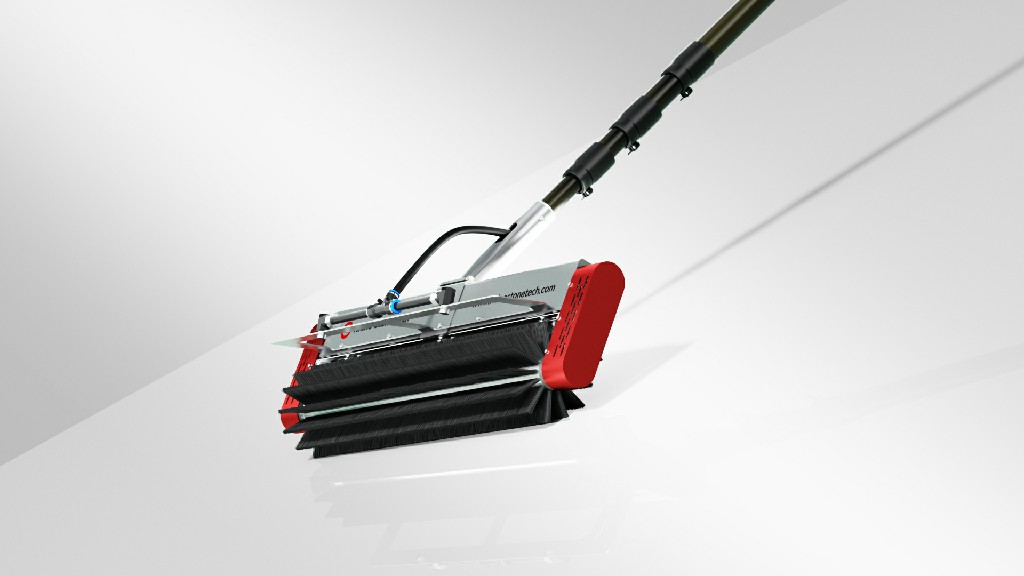
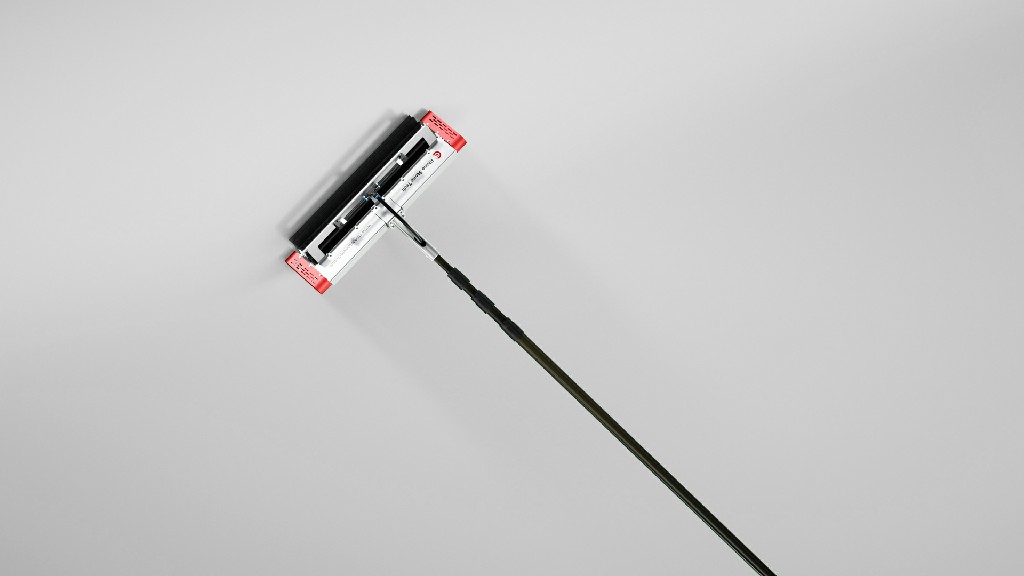
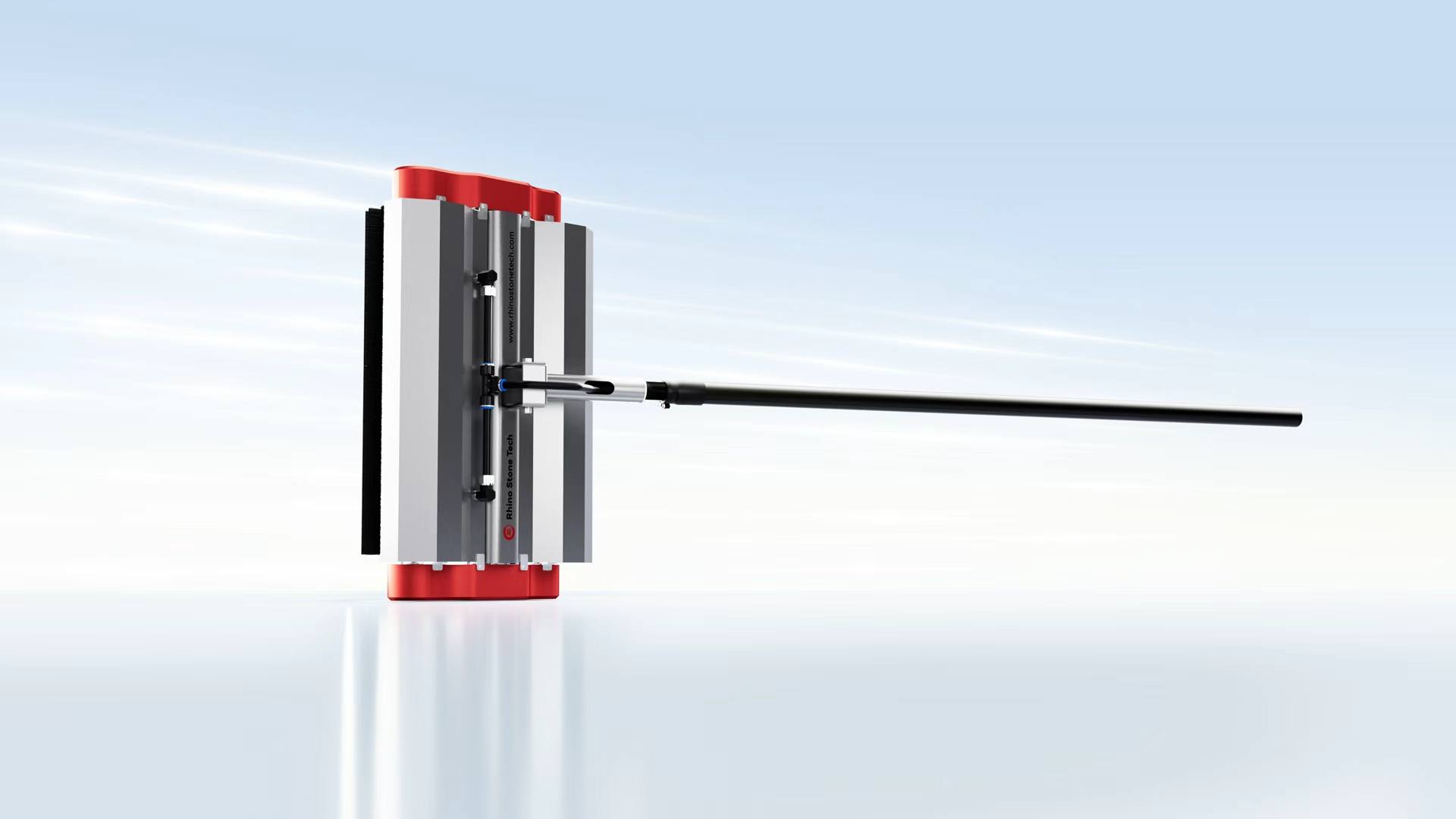
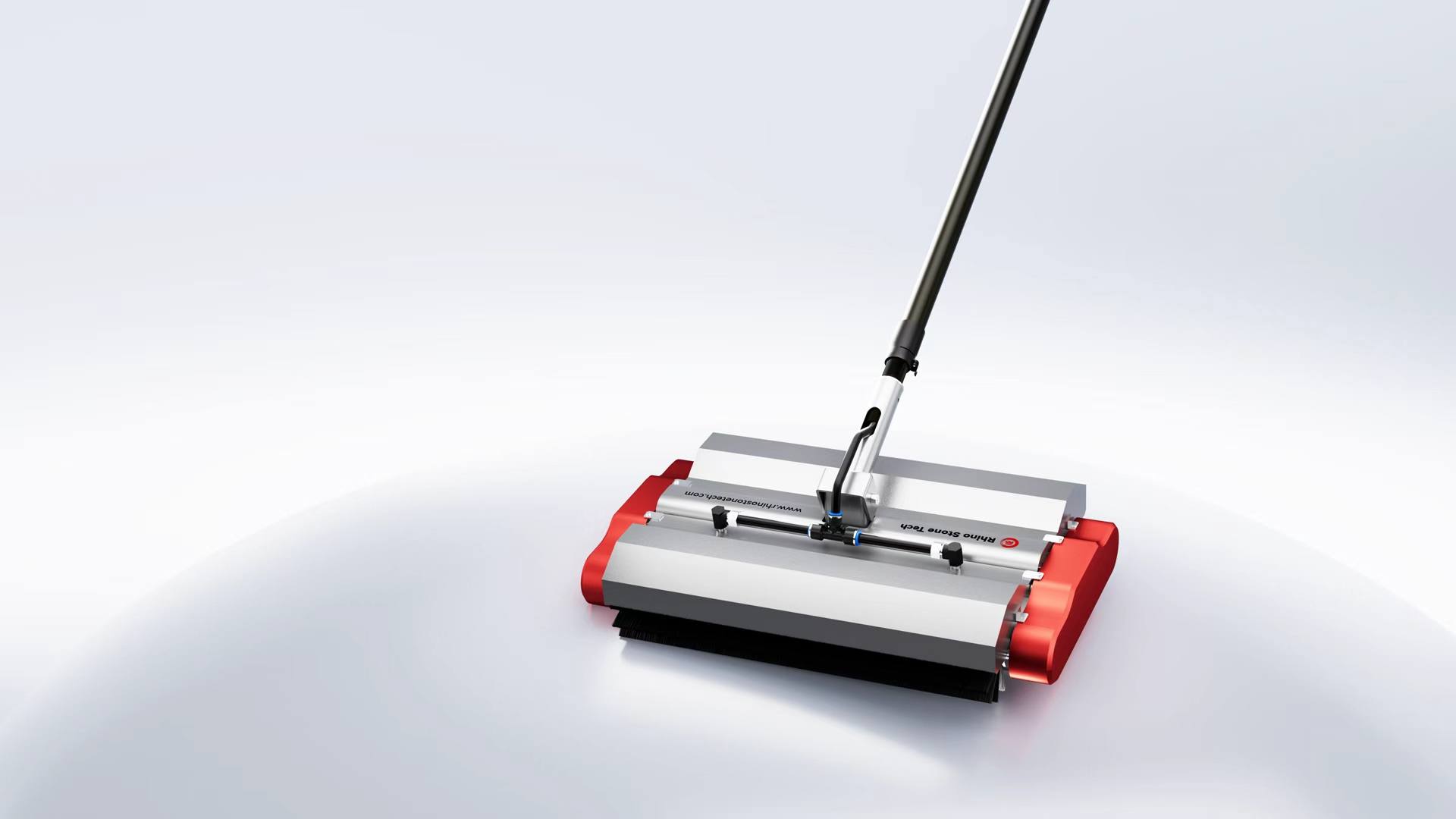
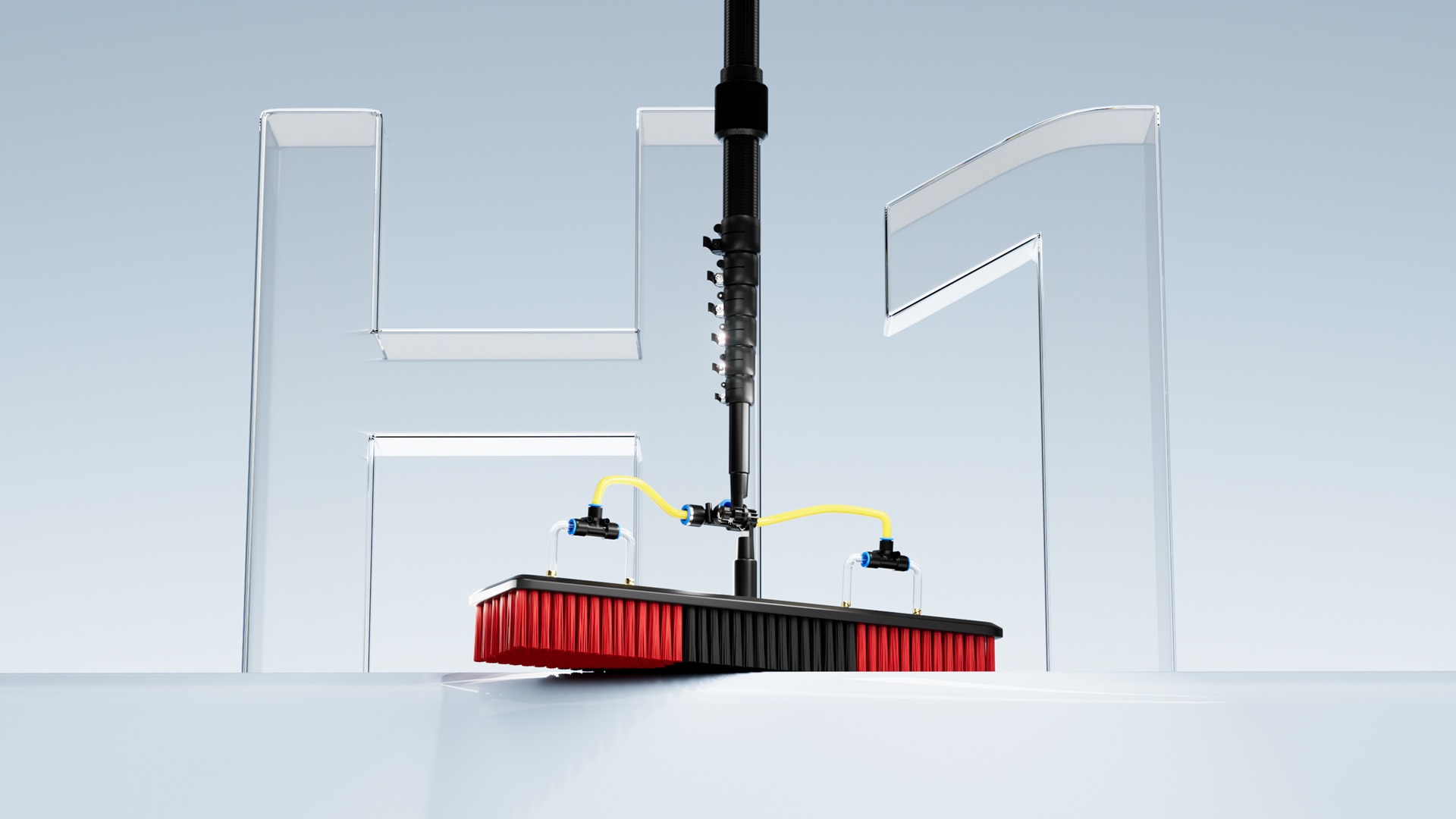
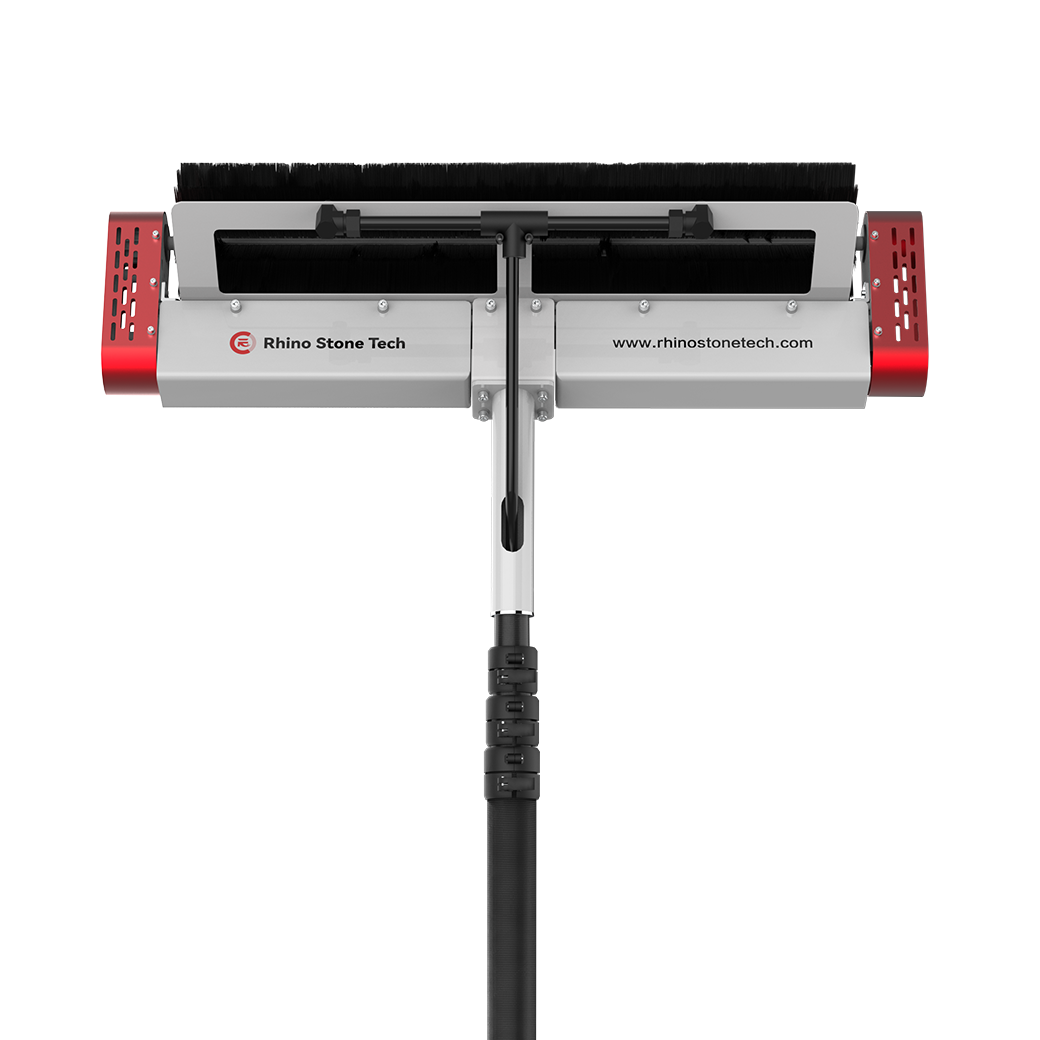
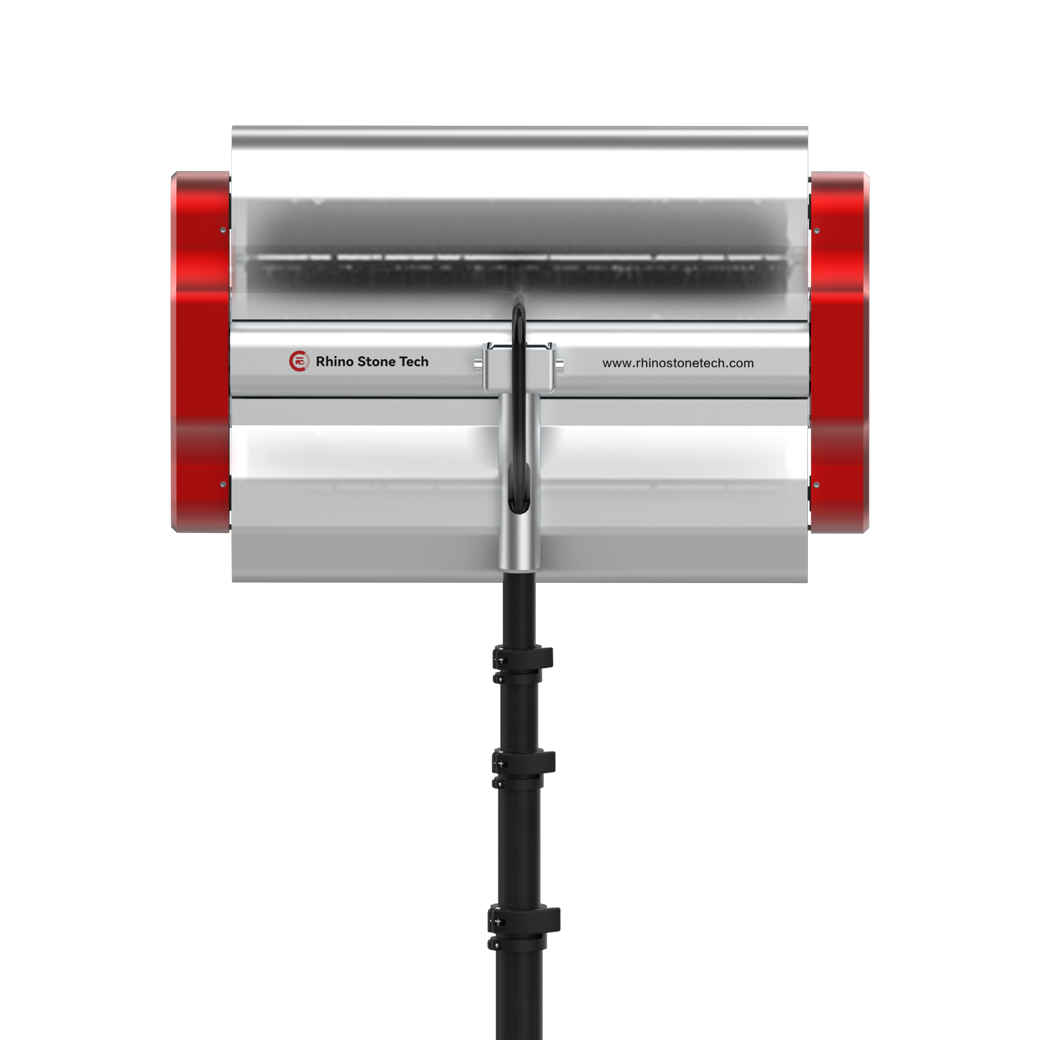
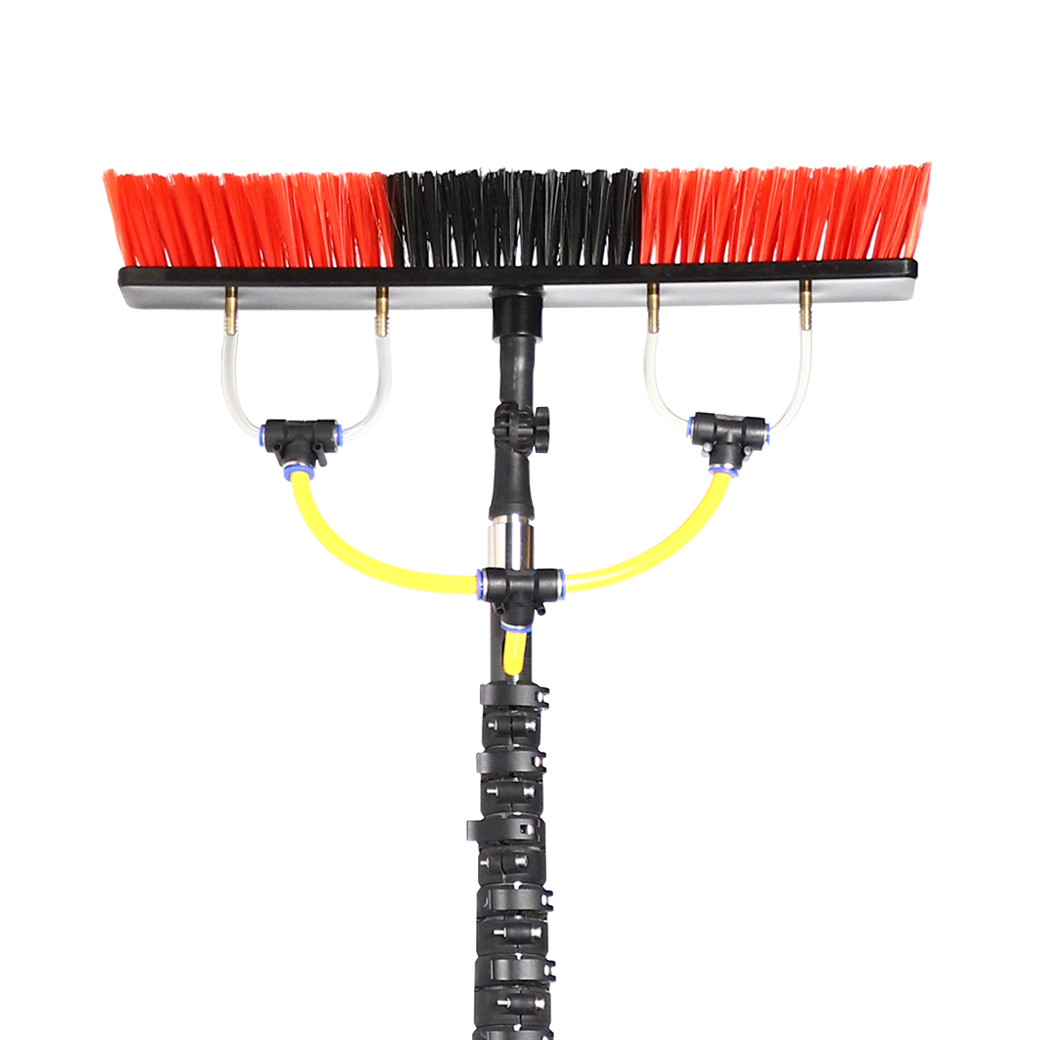
Utility-scale arrays vary in panel size, row spacing and tilt angle, so brush width should follow the array layout rather than a default specification. The RHINOSTAR-EC6 offers brush widths of 0.9 m, 1.1 m, 1.2 m and 1.3 m, which lets O&M teams match the roller to actual row spacing and module dimensions. A narrower brush can suit arrays with tight gaps or irregular layouts, while a wider brush covers more surface per pass on standard utility-scale rows with consistent spacing. Bristle hardness is the other customization lever. Soft PBT bristles suit light dust and routine maintenance, medium bristles handle regular soiling, and hard bristles address stubborn dirt or bird droppings. In arid regions where dust bonds tightly to glass, hard bristles may be the better match. In areas with frequent light rain or low soiling, soft bristles are appropriate. During screening, ask the manufacturer how it matches brush width and bristle hardness to array layout and soiling type. A specific answer based on your site conditions, rather than a generic recommendation, indicates that technical support is ready.
2. Site Information Should Be Ready Before the Technical Discussion
Before requesting a technical call, O&M teams can prepare a set of site details that make the conversation productive. These include array dimensions and layout, module tilt angle, row spacing, soiling type and severity, water availability and quality, and total plant capacity. With those inputs, the manufacturer can recommend a brush width and bristle type from the product range instead of sending a generic configuration sheet. The support team can also advise whether dry cleaning, wet cleaning or both modes fit the site. On the support side, ask about operator training, spare-parts options and the technical contact route after delivery. A manufacturer that answers site-specific questions during inquiry is better positioned to help when the robot is in service. The RHINOSTAR-EC6 supports remote-controlled crawler-type operation, dry and wet cleaning modes, and customizable brush widths and bristle options, so O&M teams can match the equipment to the site before committing to a configuration.
Conclusion
Screening a cleaning robot manufacturer should focus on clear compliance documentation, a product range that matches your array layouts, brush customization that addresses your soiling conditions, and technical support you can reach when questions arise. For utility-scale O&M teams, this screening decision leads directly into the technical call, equipment configuration and long-term parts support. When a manufacturer can provide CE and ISO 9001 documentation, offer brush width and bristle customization across a defined product range, and respond to site-specific questions during the inquiry stage, you have a solid basis to request a technical discussion. Prepare your array dimensions, row spacing, soiling type and water availability, then send those details to the manufacturer to start a focused conversation.
FAQ
Q: What should utility-scale O&M teams check in a cleaning robot manufacturer's CE and ISO 9001 statements?
A: Ask for the CE declaration of conformity and the ISO 9001 certificate, then check that the solar panel cleaning robot model or product family appears in the scope of both documents. The CE declaration should list the directives and standards the equipment meets. The ISO 9001 scope should cover cleaning equipment manufacturing. Confirm that the manufacturer name and product series on the documents match the model you are evaluating.
Q: Which brush width and bristle options can be customized for different utility-scale array layouts?
A: The RHINOSTAR-EC6 offers brush widths of 0.9 m, 1.1 m, 1.2 m and 1.3 m, along with soft, medium and hard PBT bristle options. Match the brush width to row spacing and module dimensions, and select bristle hardness by soiling type: soft for light dust, medium for routine maintenance, and hard for stubborn dirt. The manufacturer can match these options to your site data during the inquiry stage.
Q: What site information should an O&M team prepare before requesting a technical consultation?
A: Prepare array dimensions and layout, module tilt angle, row spacing, soiling type and severity, water availability and quality, and total plant capacity. These details let the manufacturer recommend a brush configuration, cleaning mode and support plan that fit the site. Having the data ready shortens the path from initial inquiry to a useful technical discussion.
Sources / References
CE marking - Internal Market, Industry, Entrepreneurship and SMEs
Machinery - Internal Market, Industry, Entrepreneurship and SMEs
Solar Photovoltaic Technology Basics | Department of Energy