
A rooftop PV team can shortlist machines that look similar on paper and still choose the wrong one because the hard work starts before cleaning: moving the unit through a doorway, into a lift, along a walkway and onto an array with gaps and tilt. Start with the roof. Stair width, lift capacity, roof doorway size, walkway clearance, panel layout and local safety rules determine whether a compact modular robot is practical, whether two people are needed for a lift, and which brush width makes sense. With those conditions clear, a supplier can discuss configuration using real site information instead of guesswork.
Roof Access and Transport Conditions That Shape Equipment Choice
On a factory, warehouse or commercial park roof, the building often sets the first constraint, not the array. A cleaning unit may need to pass through a narrow stairwell, fit inside a passenger or service lift, clear a roof doorway, turn on a landing and travel along a walkway before it reaches the first panel row. A machine that performs well on open ground can become a poor choice if its heaviest module cannot be handled safely along that route. Manual handling risk rises when a unit is awkward, heavy or difficult to grip; ergonomics guidance treats awkward lifts and repeated carrying as real workplace stressors rather than minor inconvenience. Array geometry comes next. Commercial rooftops often mix panel sizes, row spacing, walkways, parapets, service equipment and short gaps between arrays. A roof with 60 cm gaps between panel rows needs different deployment planning from one with continuous rows. Tilt matters too: a shallow array may allow simple passes, while a steeper section changes how the operator positions the machine, controls the pass and plans the return route. Roof load limits, lift access and local safety rules need to be checked before deployment. A solar panel cleaning equipment supplier can configure a sensible package only when those site facts are clear, because transport method and array layout directly affect machine size, module weight and brush width. The practical review is a walk-through from the vehicle drop-off point to the array. Note every pinch point: door width, stair turns, lift door height, corridor width and the final step onto the roof. Then map the array: panel width, row length, gap pattern, tilt changes and safe operating space near edges and obstructions. That route-and-array picture shows whether a single-operator modular machine is realistic, where a second person may be needed and which roof sections should be cleaned in separate passes.
How Modular Structure and Chassis Weight Affect Single-Operator Deployment
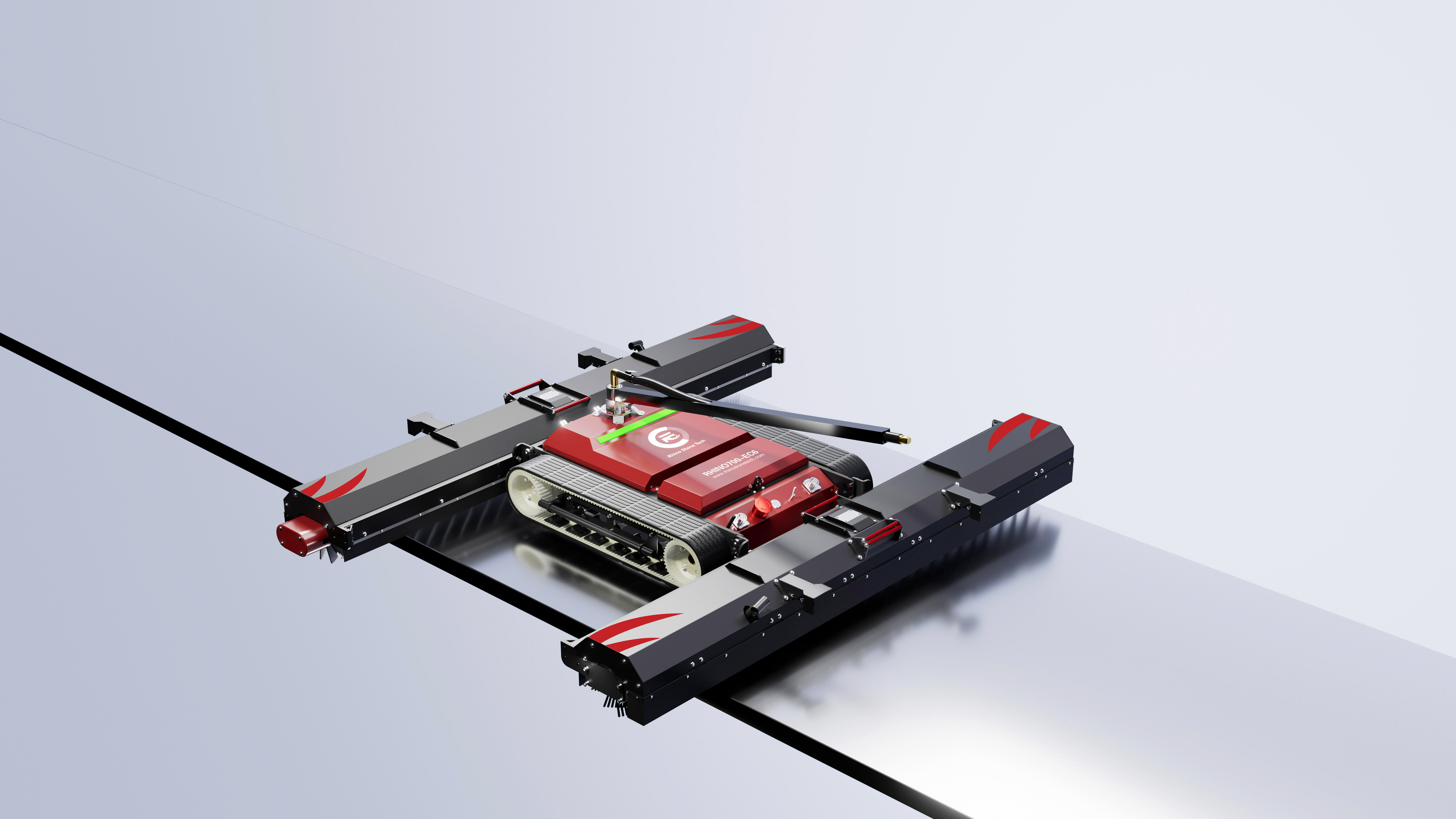
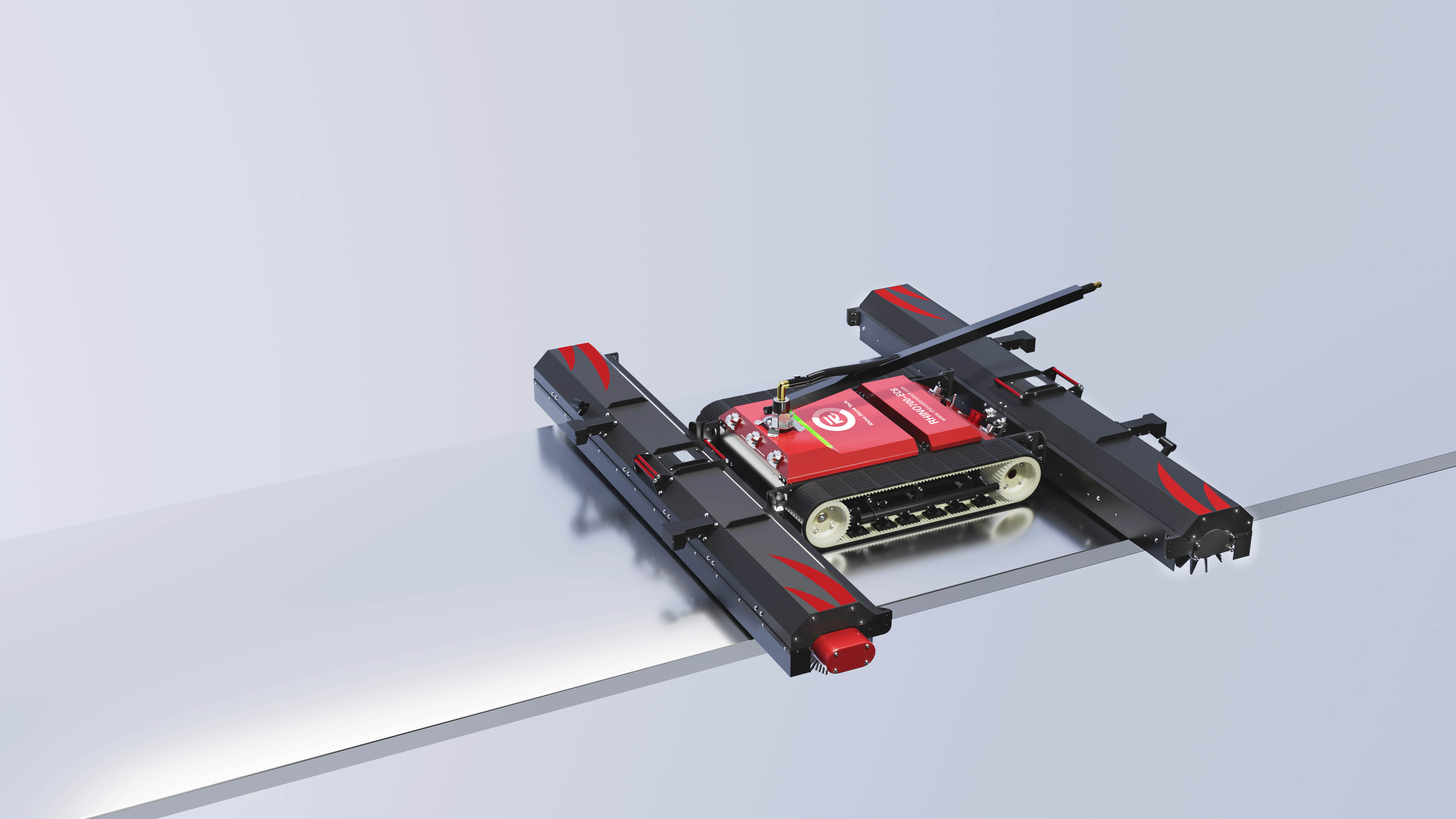
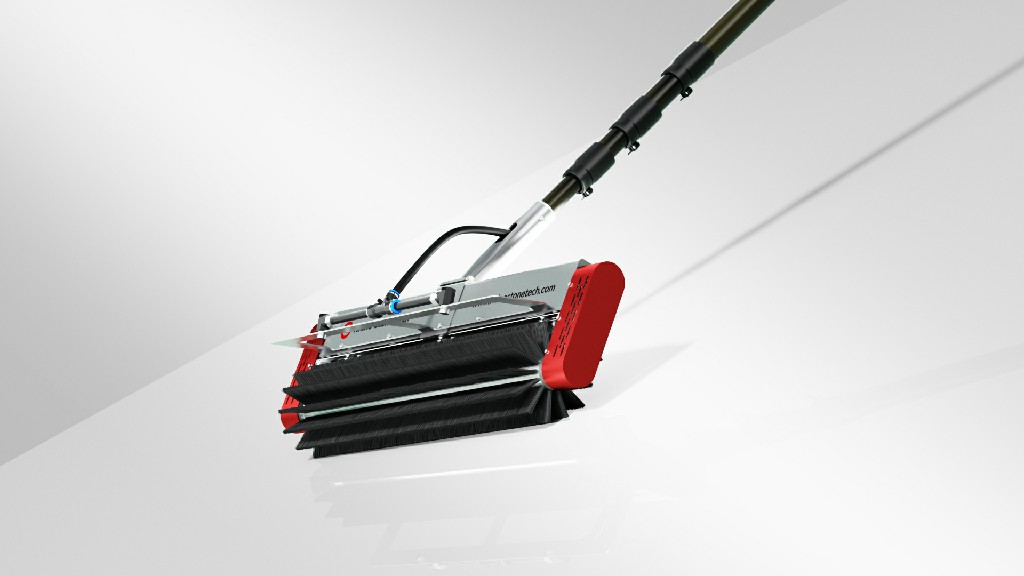
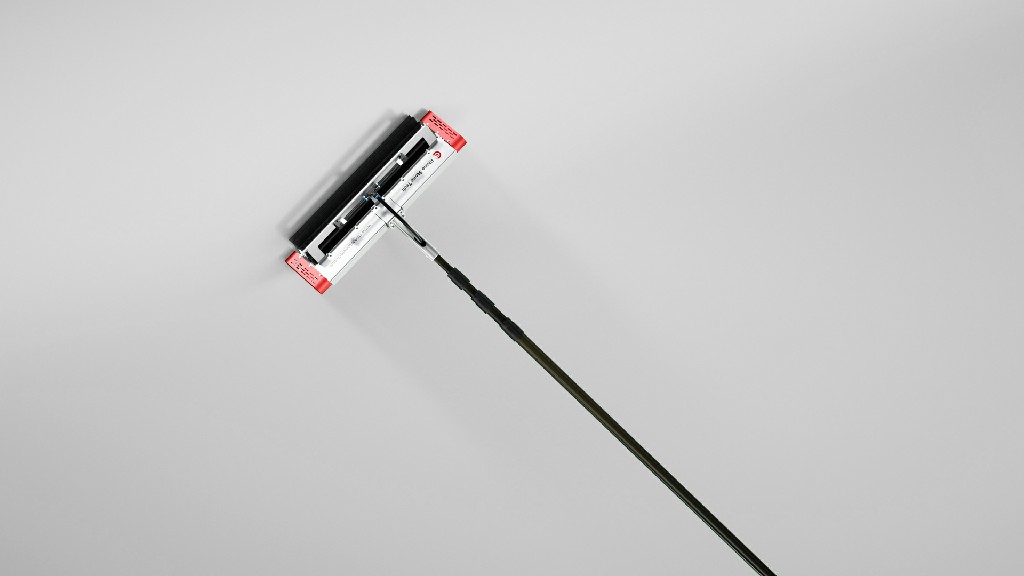
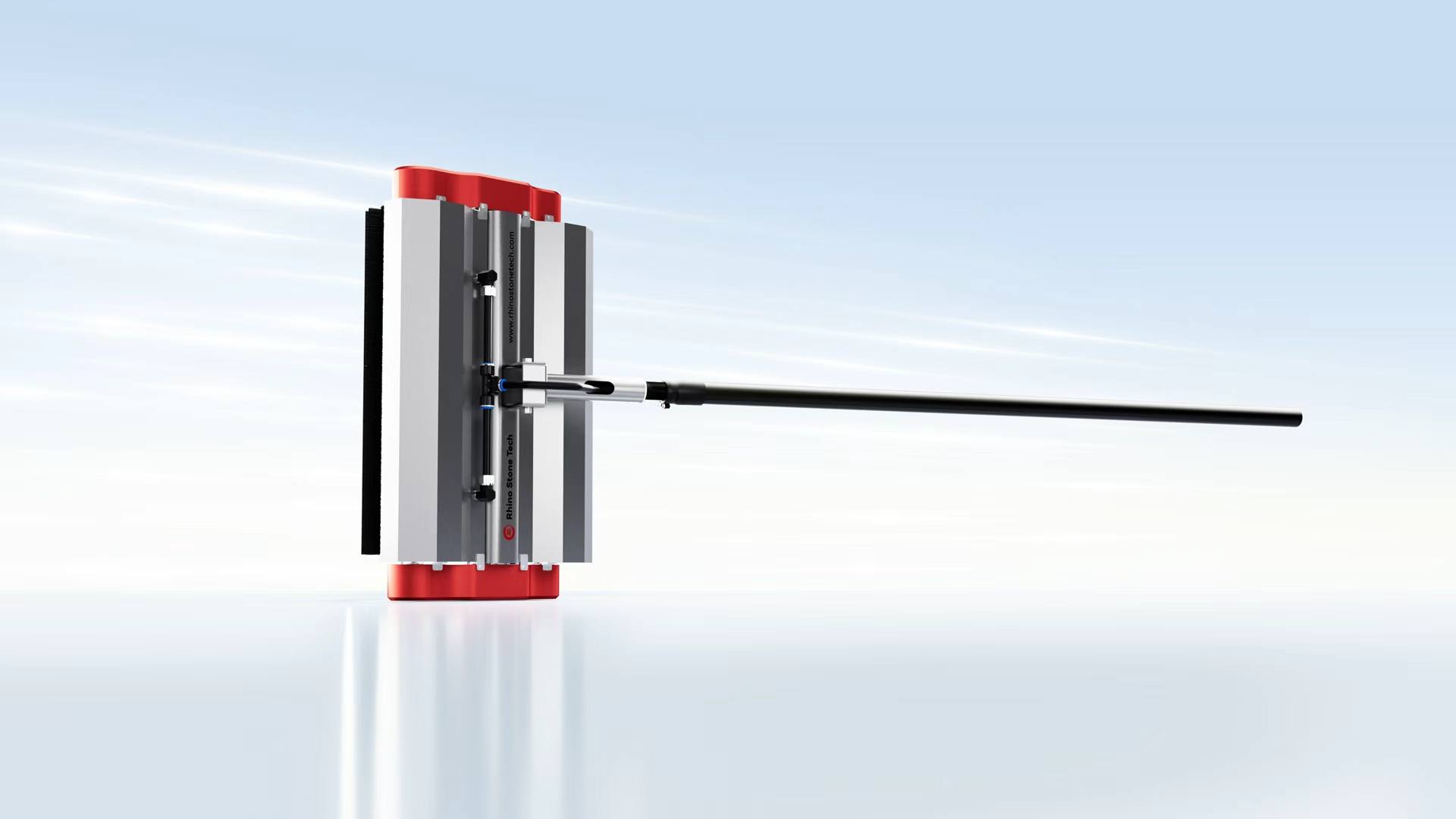
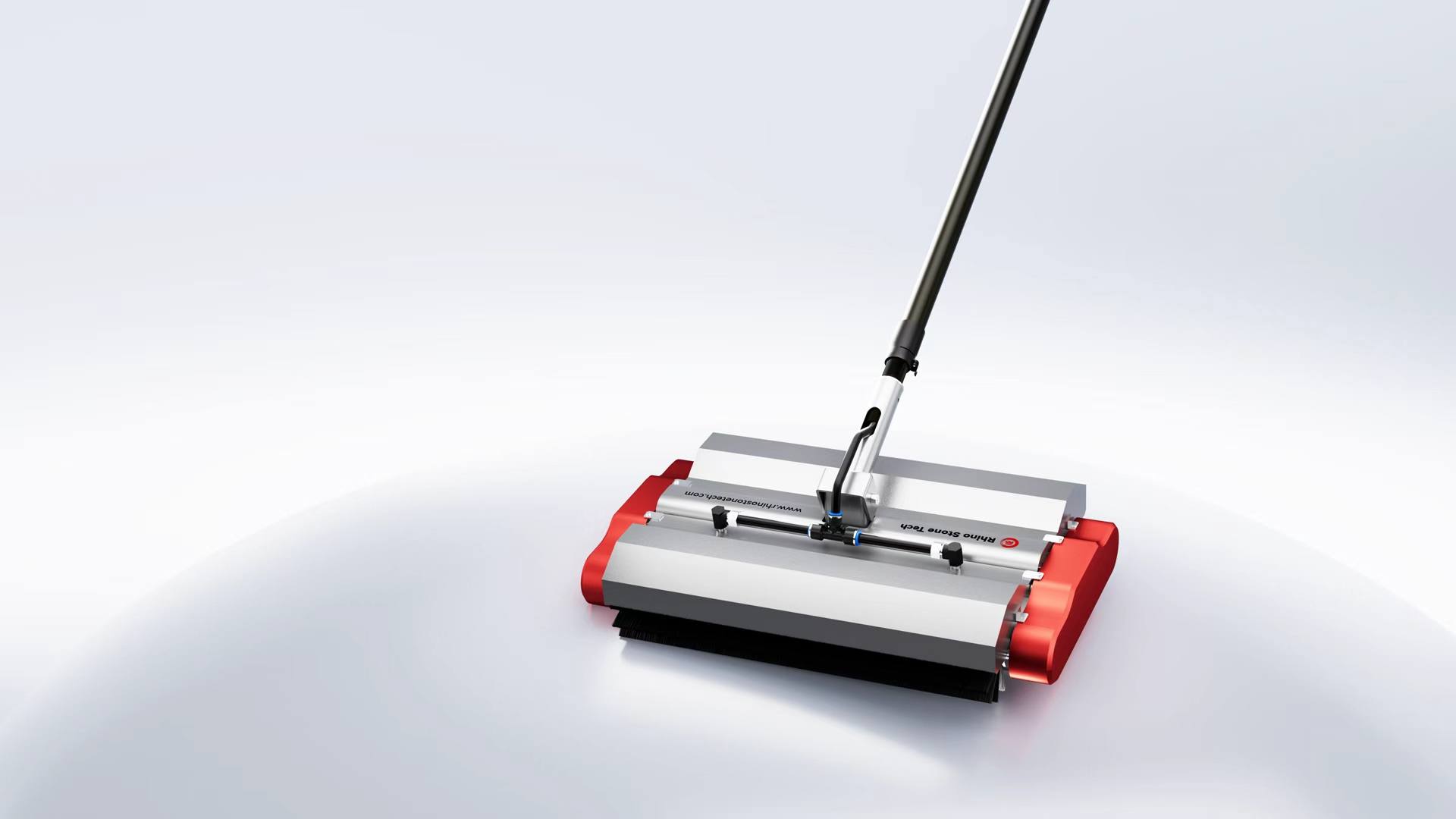
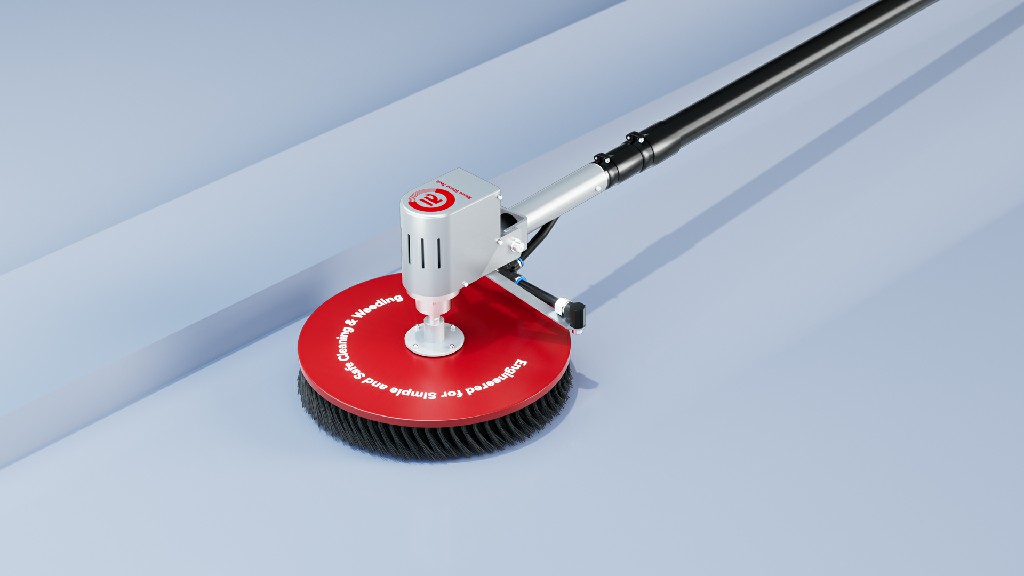
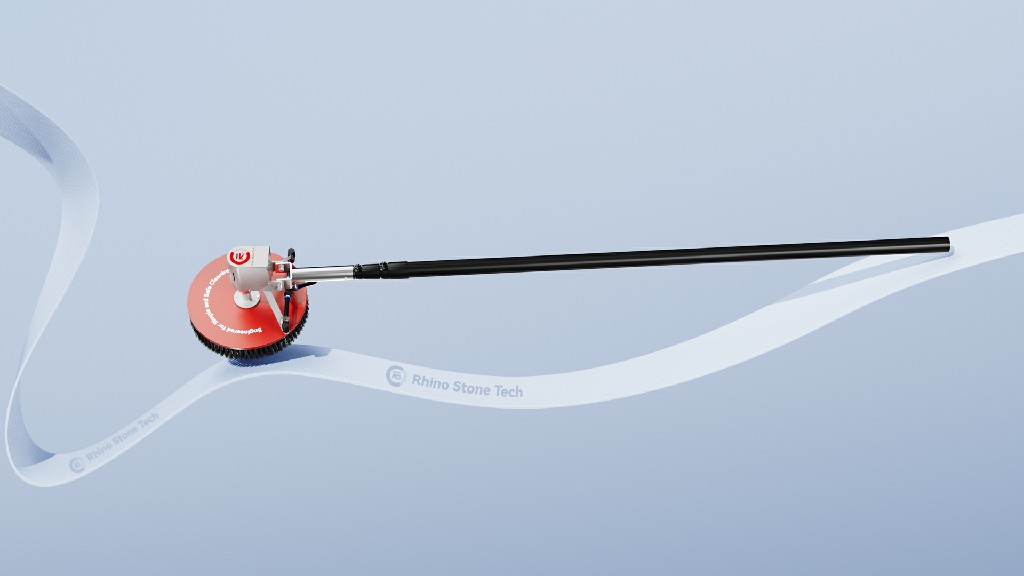
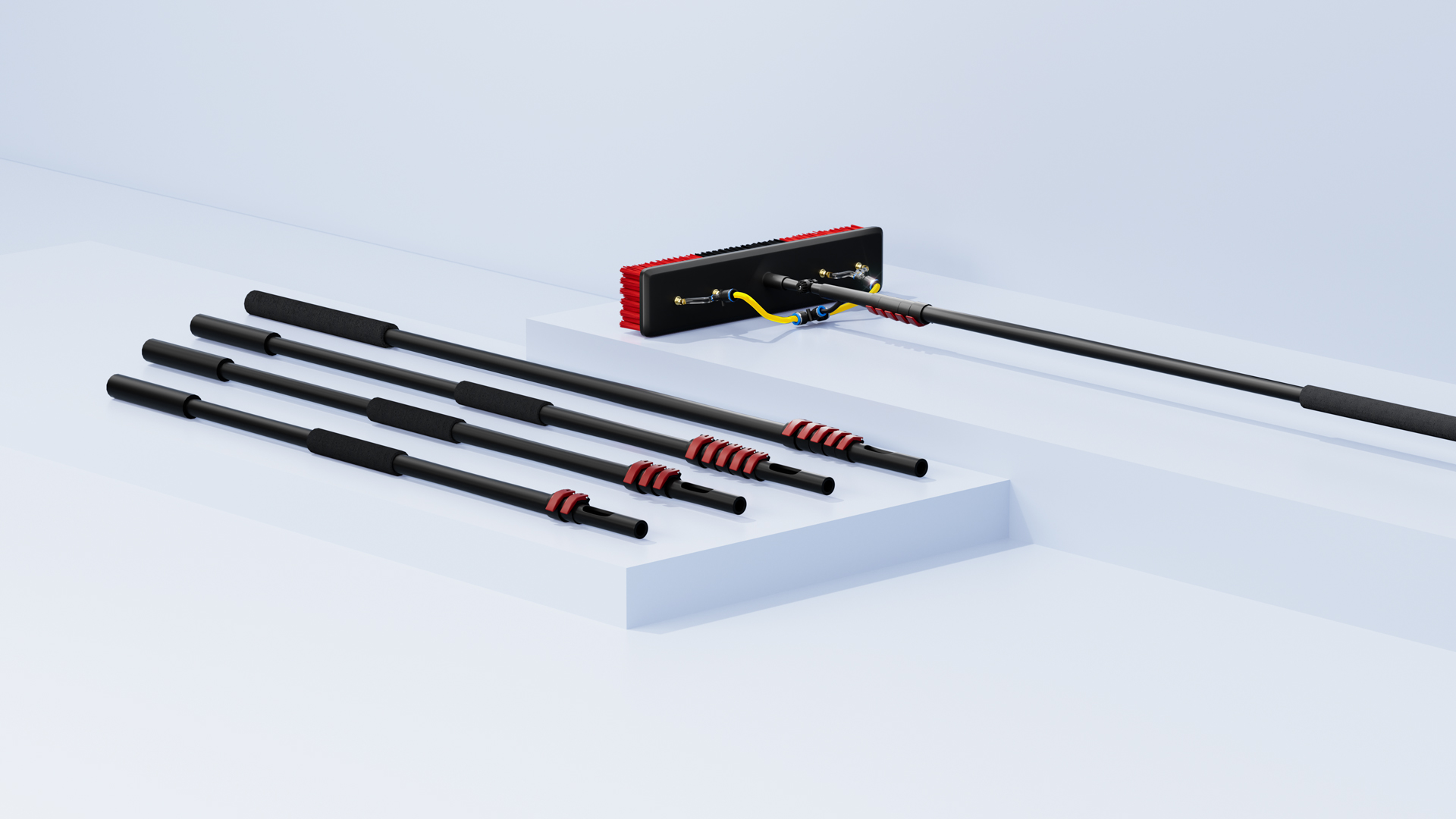
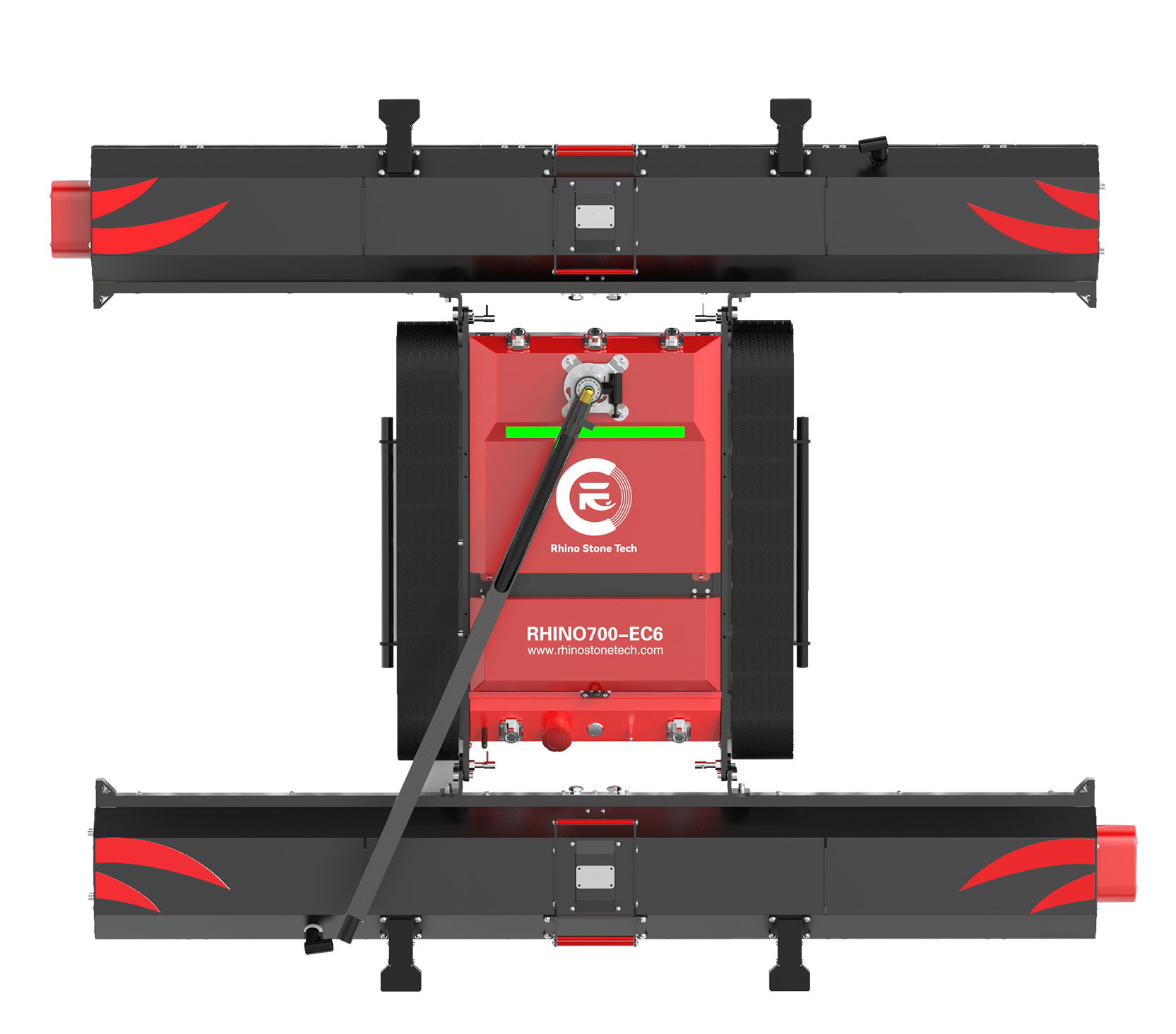
The RHINOSTAR-EC6 uses a three-piece modular structure, and one person can assemble or disassemble it in around two minutes. Its chassis weighs 18 kg. That figure refers to the chassis, not the complete working weight with battery and brush fitted, so plan around the heaviest single piece the operator will actually carry. The modular design changes the handling job from moving one complete machine to moving several manageable components. That matters on commercial rooftops where the route includes stairs, a service lift, a narrow doorway or a long walkway before the array.
1. What Three-Piece Assembly Changes for Stair and Lift Transport
A three-piece structure lets the operator separate the load before the difficult part of the route. Instead of wrestling a complete machine through a stairwell or lift door, the operator can carry the chassis and components separately, then assemble on the roof. The 18 kg chassis weight gives the team a known handling reference for the heaviest core piece. The assembly routine also shapes labor planning. If one person can assemble or disassemble the machine in around two minutes, short cleaning windows become more workable, and moving between roof sections does not become a major handling task. The route still has to be measured. A lift with a low door, a stair turn that is too tight or a roof hatch that is too small can rule out a deployment method even when the modules themselves are manageable.
2. How Panel Gaps and Tilt Angles Shape Cleaning Passes
Panel gaps and tilt change the rhythm of the cleaning pass. The EC6 is designed for 60 cm panel gap crossing and operation on arrays tilted up to 33°. On a factory rooftop, a 60 cm gap between rows may be a routine crossing point; on another roof, the same gap may sit beside a walkway, cable tray or parapet and require a different approach. Tilt has a similar effect. A shallow array allows long, straightforward passes, while a 33° section changes how the operator starts, stops and repositions the machine. Plan passes that follow the array layout instead of forcing the machine into repeated turns or unnecessary crossings. Mark the gap pattern, row length and tilt changes on a simple roof sketch before the supplier recommends a configuration.
Matching Brush Options and Edge Sensors to Commercial Rooftop Surfaces
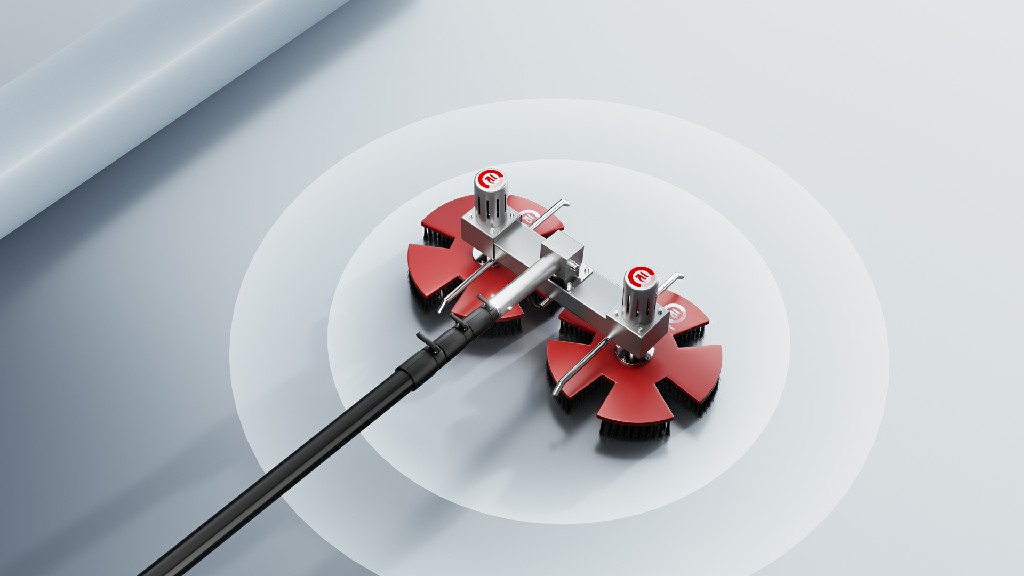
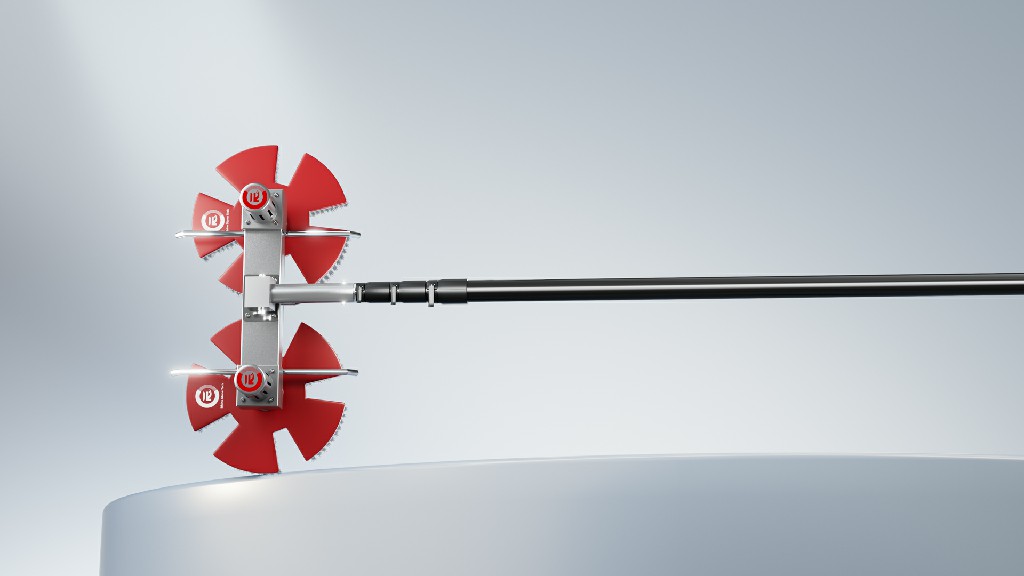
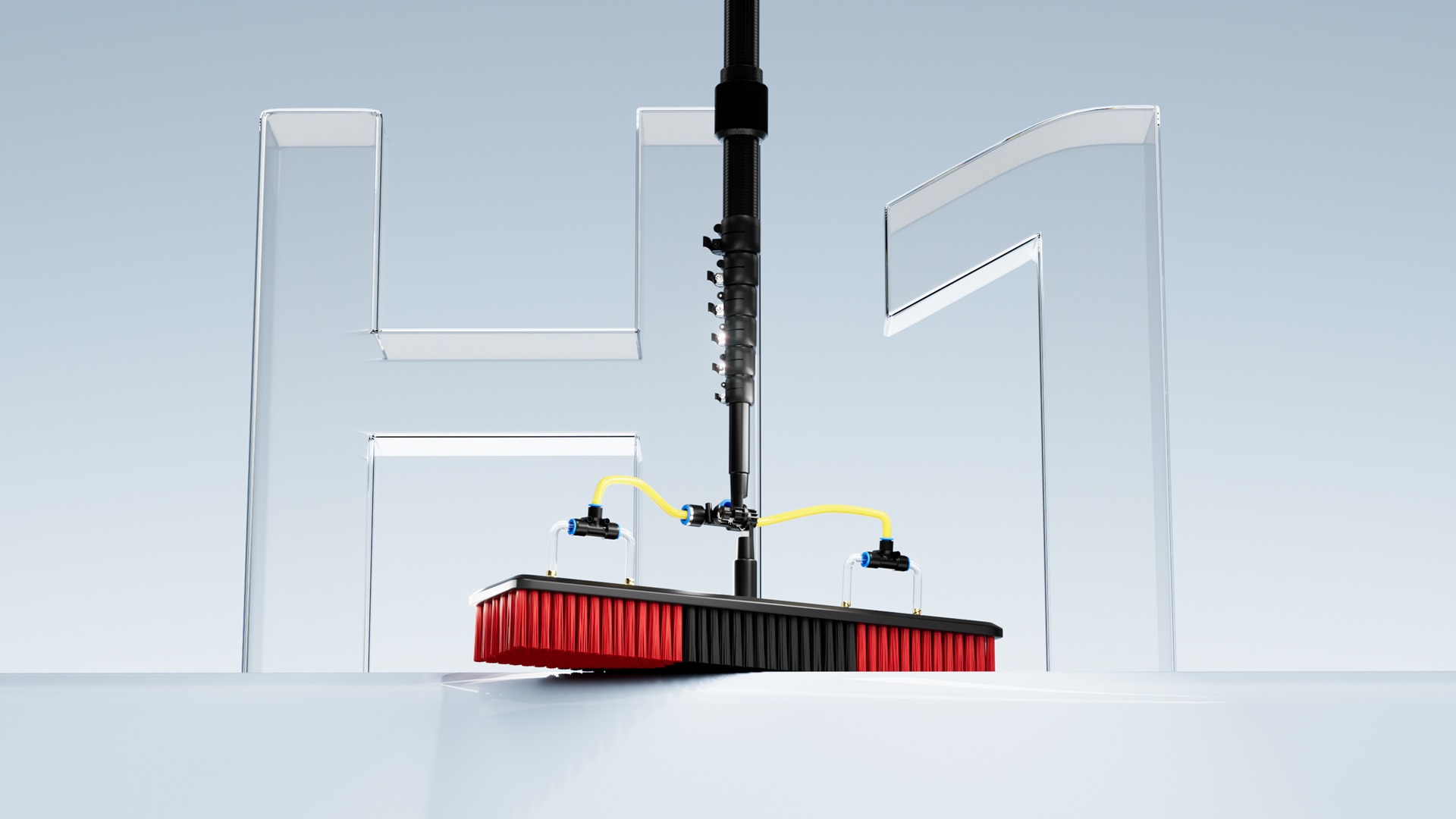
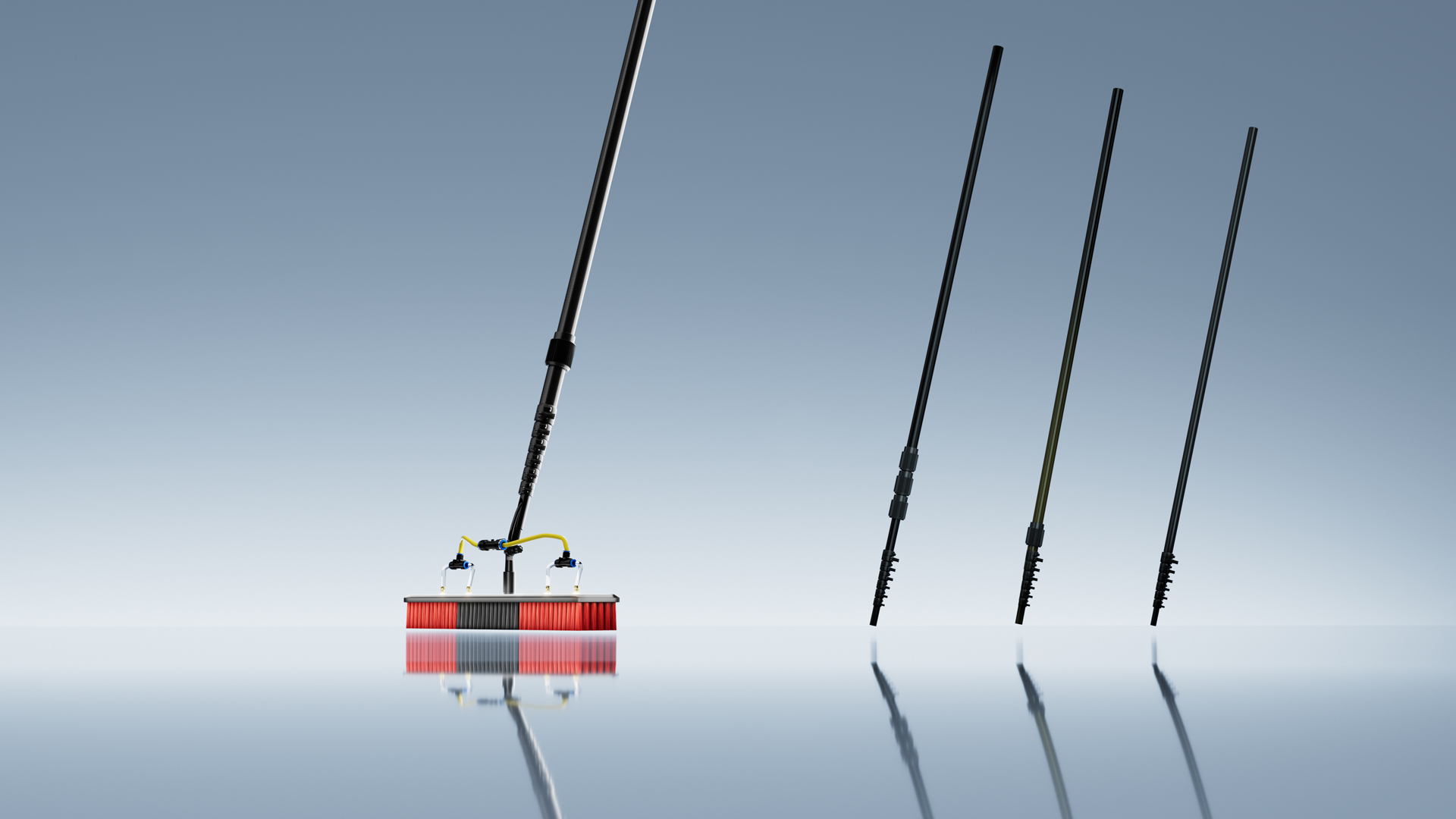
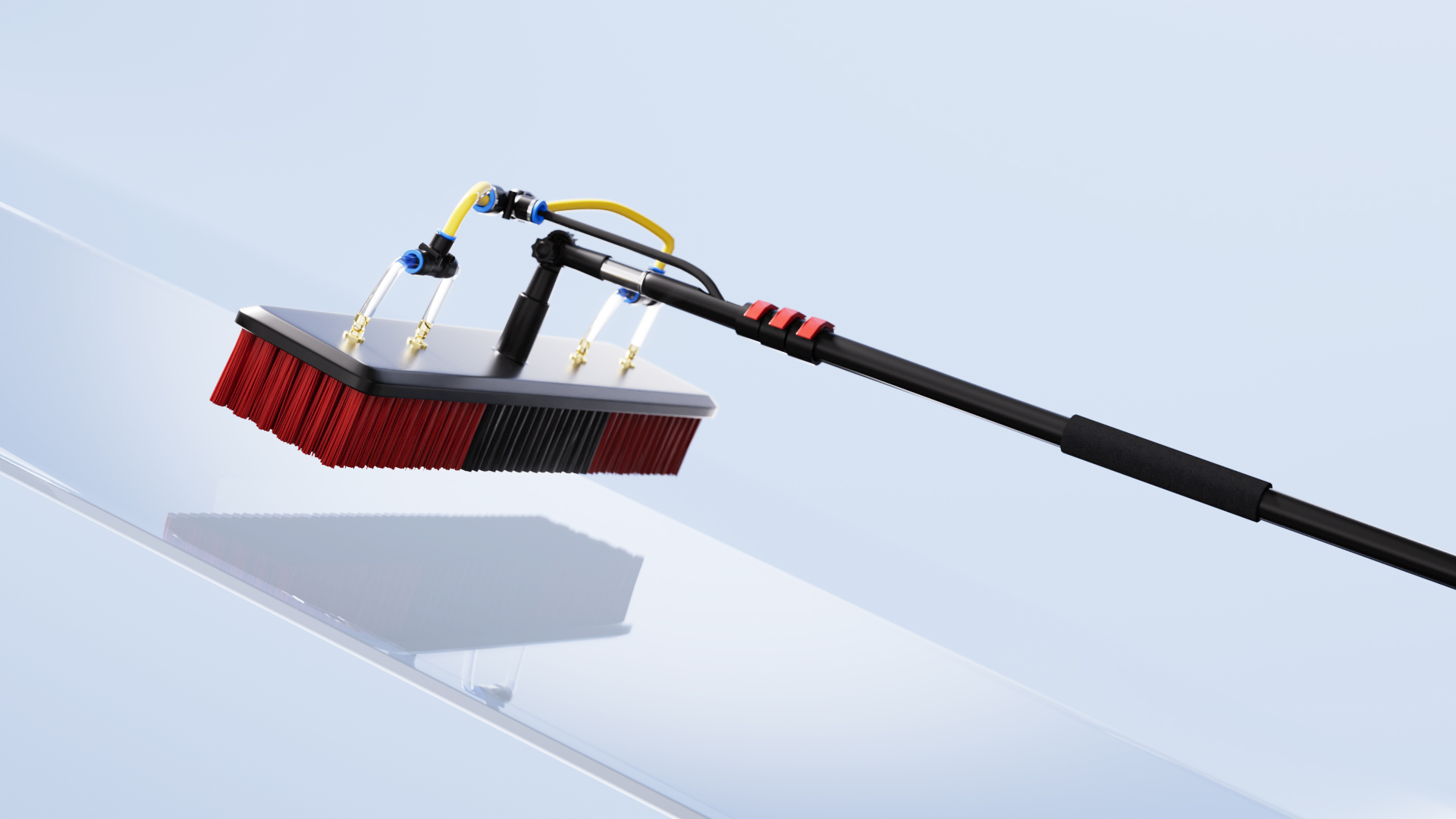
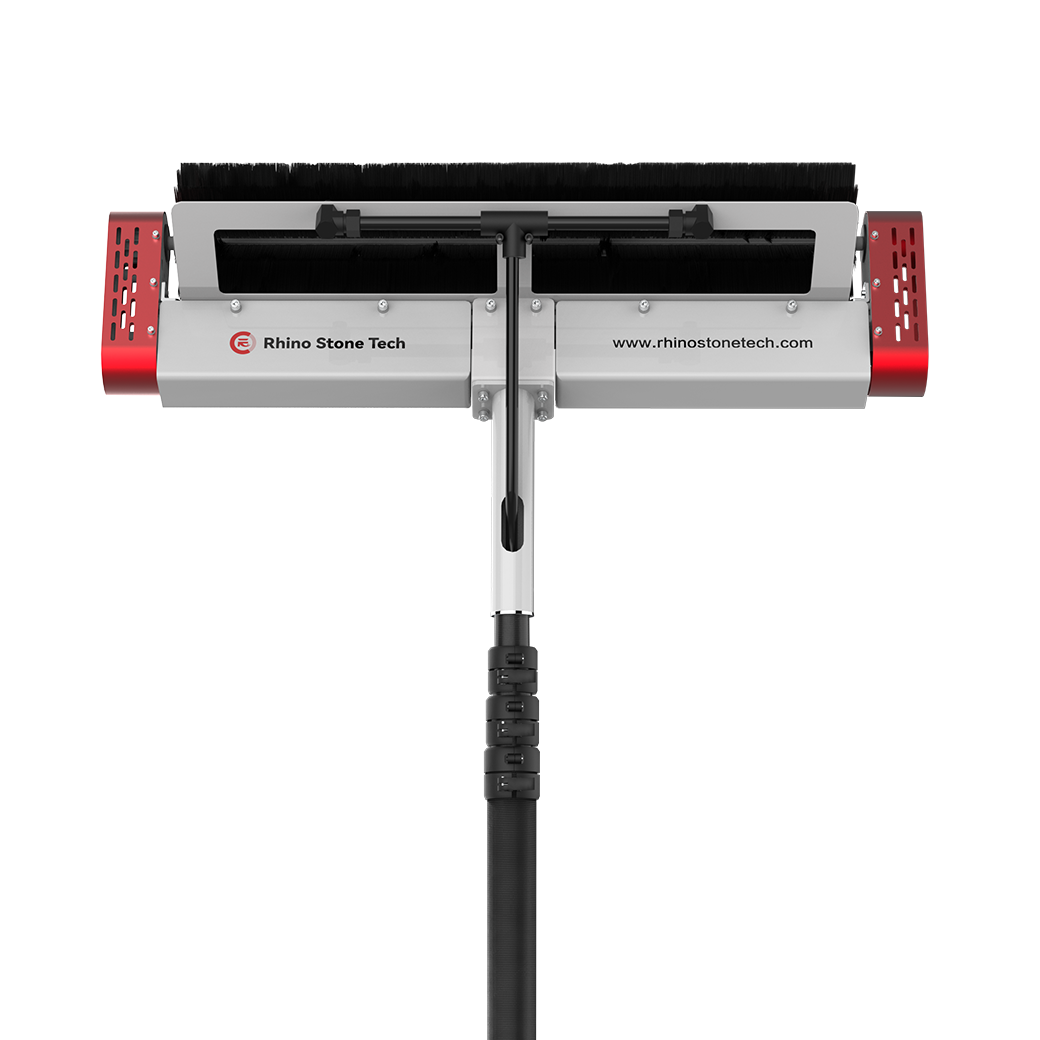
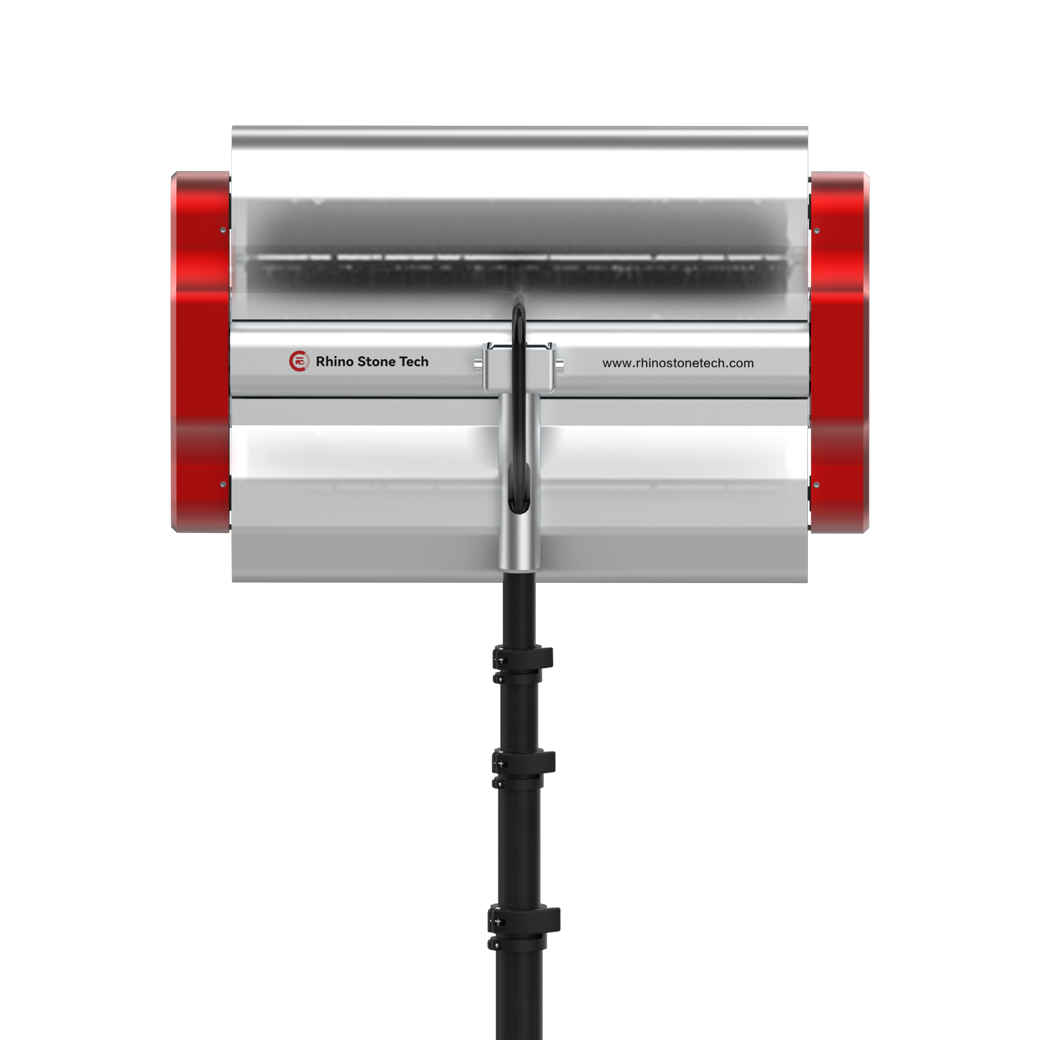
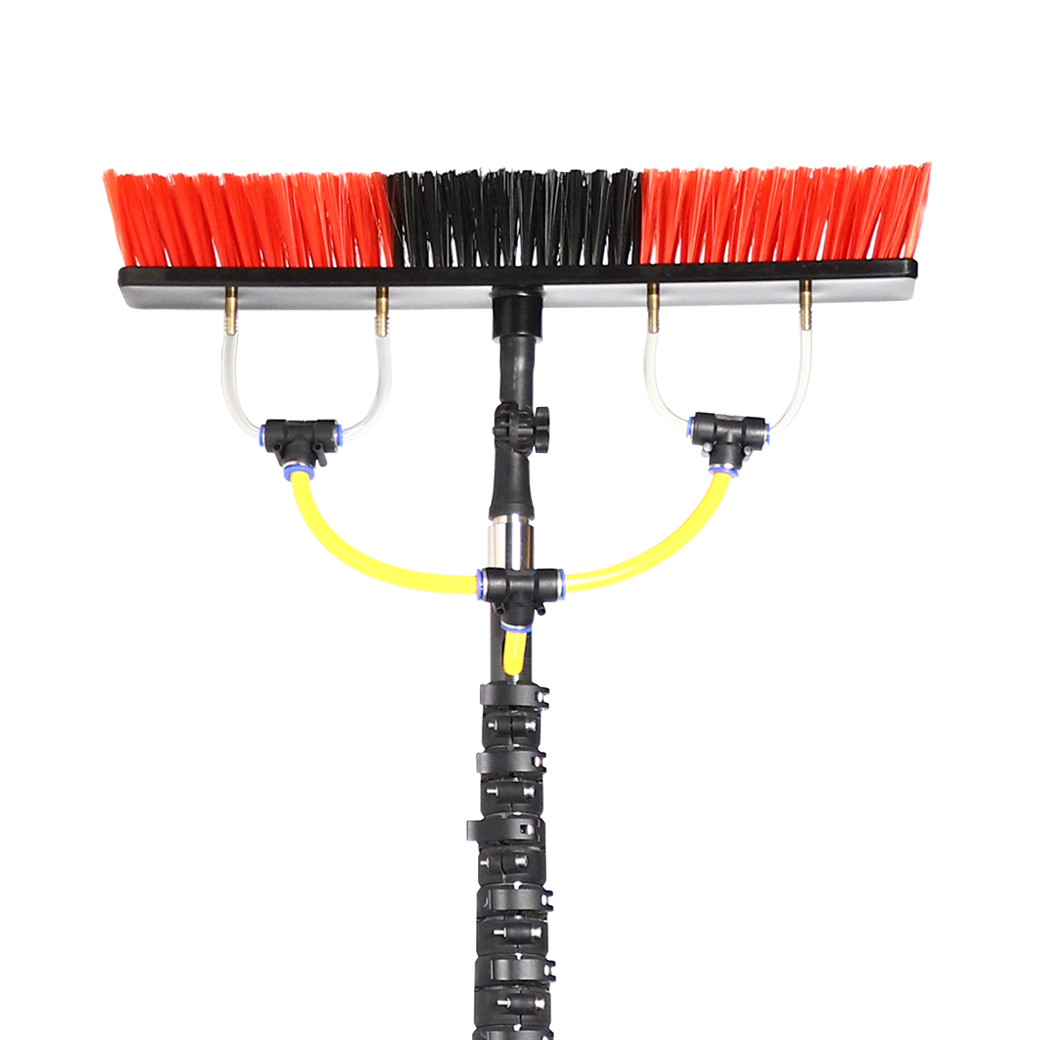
Brush choice should follow the surface and the soiling, not a single default. PV modules use a tempered glass outer surface, and many also carry anti-reflection coatings that deserve careful treatment. The EC6 uses an adaptive floating roller brush with spiral PBT bristles, available in soft, medium and hard options, with brush widths from 0.9 m to 1.3 m. Soft bristles suit light dust and regular settling. Medium bristles fit routine commercial rooftop maintenance where dust, traffic film and small deposits build up between cleaning cycles. Hard bristles are for stubborn soiling and heavier contamination. On coated glass, start with the least aggressive brush that does the job, then adjust based on real soiling rather than assumption. Brush width affects both coverage and handling. A 1.3 m brush reduces the number of passes on long, open rows, while a 0.9 m brush can be easier to manage around short rows, tight walkways and roof equipment. The best width matches the array geometry and the operator’s route, not simply the widest option available. Edge control matters just as much. The EC6 carries four high-precision anti-fall sensors that monitor operating conditions near array edges, parapets and changes in roof layout. These sensors support safer operation, while route planning, physical edge protection and local safety procedures remain essential. For commercial rooftops, the strongest setup combines the right brush, a practical width and an operator who understands where the machine should travel. The RHINOSTAR-EC6 is intended for commercial rooftop deployment, and its value comes from matching the machine to the roof rather than selling one fixed package. A rooftop with narrow stair access, a small service lift and short panel rows may need a different brush width and handling plan from a large warehouse roof with long rows and wide walkways. The same modular structure can serve both, but the configuration discussion should reflect the actual route, gap pattern, tilt and soiling.
Conclusion
Commercial rooftop cleaning equipment should be chosen around transport and deployment first. Measure the stair, lift, doorway and walkway route; map the panel gaps, tilt changes and safe operating space; then discuss brush width, bristle type and edge control. The EC6’s three-piece modular structure, 18 kg chassis weight, single-operator assembly routine, 60 cm gap crossing, 33° incline capability, four anti-fall sensors and 0.9–1.3 m brush options give a supplier concrete points to match against the roof. As a solar panel cleaning robot manufacturer, Rhino Stone Tech can review those inputs and recommend a configuration, accessory plan and quotation. Send the roof route dimensions, lift limits, panel layout, gap pattern, tilt, soiling level and preferred brush width to start that conversation.
FAQ
Q: Can one person move a modular solar cleaning robot onto a commercial rooftop?
A: Yes, on many commercial rooftop routes. The EC6 separates into three modules, its chassis weighs 18 kg, and one person can assemble or disassemble it in around two minutes. Measure stair width, lift capacity, doorway size and safe carrying space before deployment.
Q: How does the robot handle 60 cm panel gaps on a factory rooftop?
A: The EC6 is designed for 60 cm panel gap crossing, so it can move between panel rows that would stop a machine needing continuous support. Mark the gap pattern, walkway edges and parapets on the roof plan, because gap location affects the cleaning pass and the safe return route.
Q: Which bristle type suits lightly dusty versus heavily soiled rooftop panels?
A: Soft PBT bristles suit light dust and gentle regular cleaning. Medium bristles fit routine commercial maintenance, while hard bristles are for stubborn soiling and heavier contamination. Match the brush to the actual soiling and start with the least aggressive option that cleans coated module glass effectively.
Sources / References
About Ergonomics and Work-Related Musculoskeletal Disorders | CDC
Module Materials | PVEducation
Anti-Reflection Coatings | PVEducation