
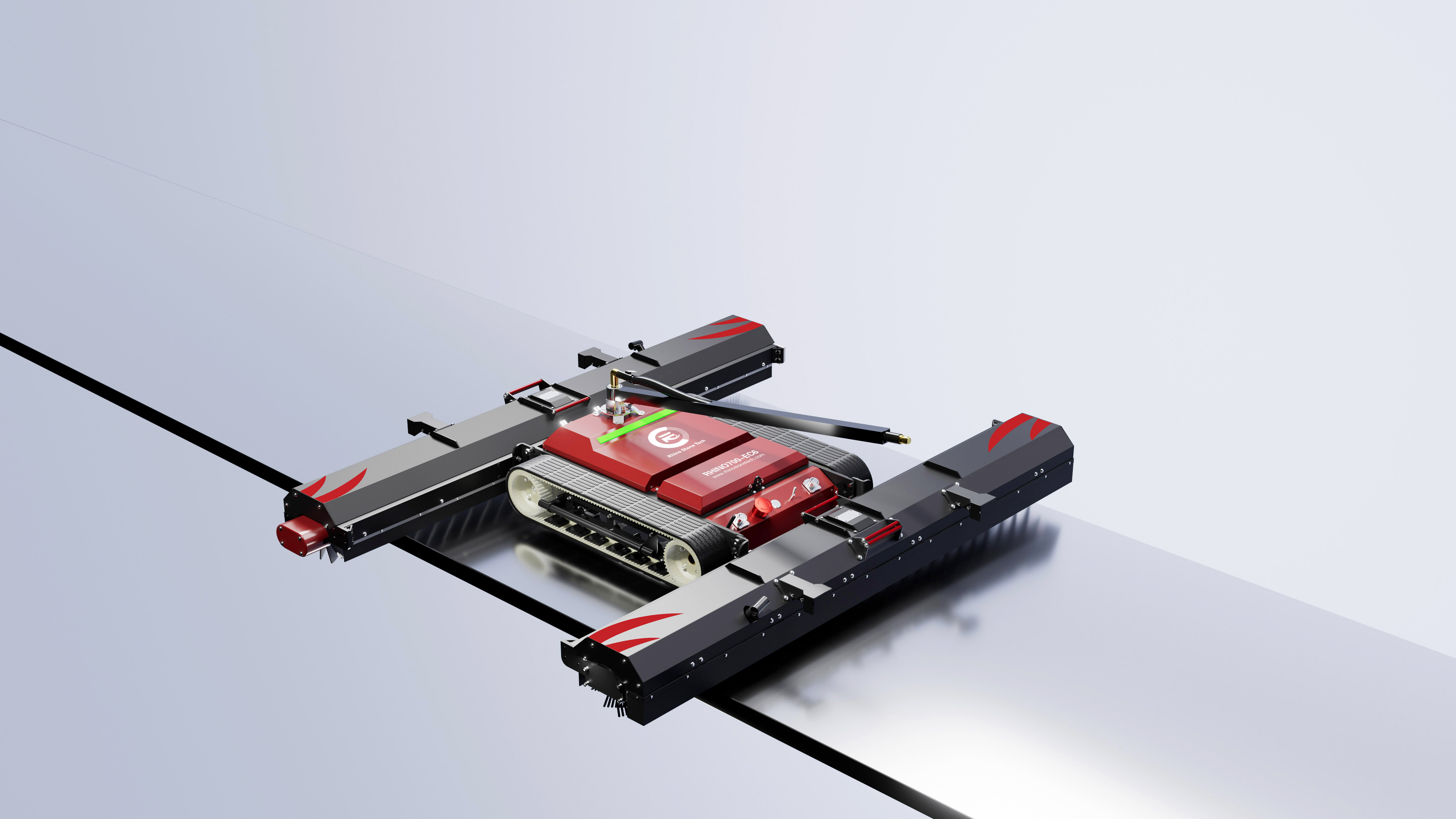
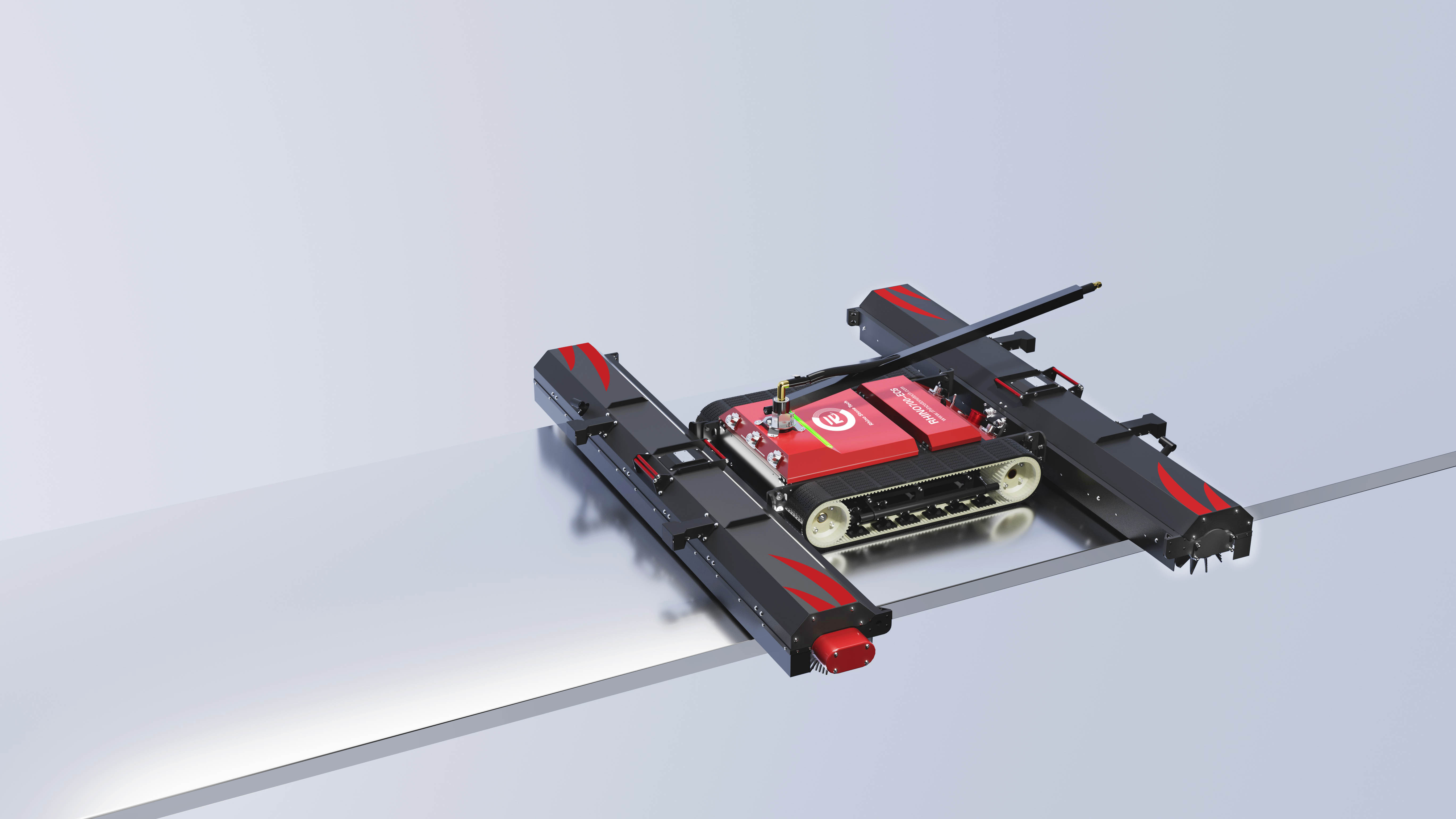
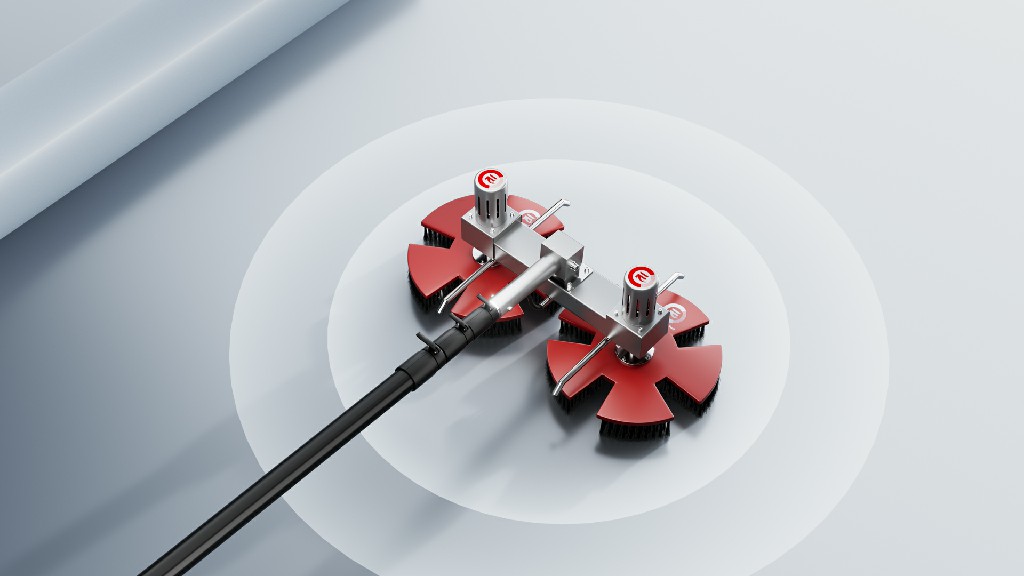
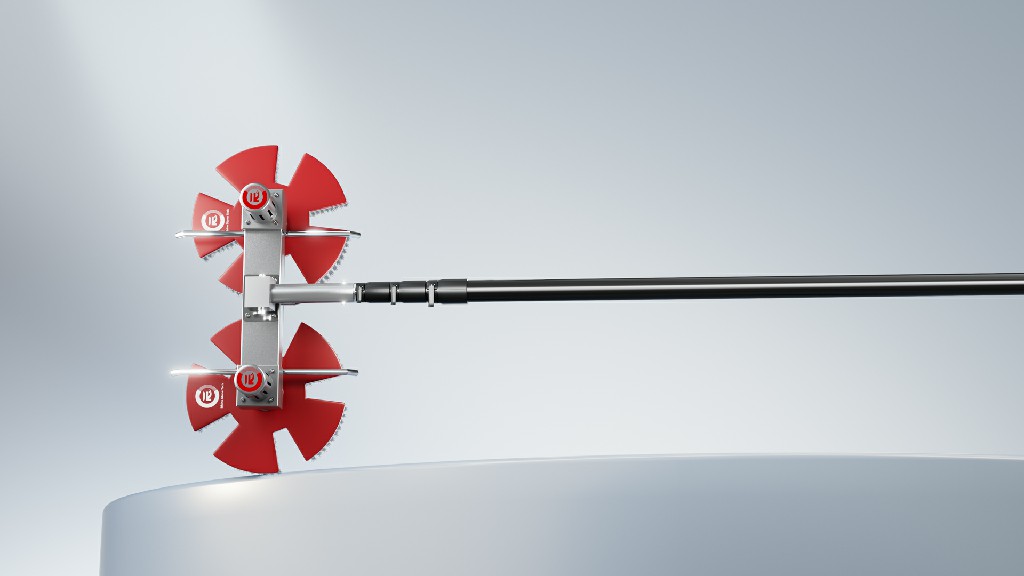




In routine PV plant operations, surface contamination on modules does more than reduce energy output—it can also pose real safety risks. One increasingly common issue is the formation of dust bands along the lower edges of modules. Caused by natural dust deposition and incomplete rinsing by rainfall, these dust bands have become a hidden but growing threat to safe and reliable plant operation.

How Dust Bands Form?
Dust bands typically accumulate along the lower edge of PV modules, especially on the inner side of the frame. Because the frame has a certain height, rainwater carrying dust and fine particles is unable to drain completely. As the water evaporates, dust, salts, and other impurities settle and remain along the bottom edge.
This type of contamination is localized, persistent, and often overlooked. Even when a PV plant appears generally clean, dust bands at the lower edge may have already built up to a level that affects both performance and safety.
Key Risks Caused by Dust Bands
Noticeable Loss of Power Output:Dust bands block part of the active surface of the module, preventing the affected area from generating electricity. Although the shaded area may seem small, it can reduce the output of the entire module, leading to a continuous drop in power generation. Compared with evenly distributed dust, this localized shading often causes more severe efficiency losses and, over time, directly impacts plant revenue.

Safety Risks Associated with Hotspot Effects:Areas covered by dust accumulation bands are unable to operate normally, leading to sustained localized temperature rises and the formation of hotspot effects. Prolonged overheating can damage the internal structure of PV modules, potentially causing cell failure, backsheet aging, and even fire accident.

Accelerated Module Aging and Damage:When dust bands persist, they create a combination of heat buildup and moisture retention at specific locations. This accelerates material aging within the module and degrades encapsulation performance. As a result, issues such as water ingress and long-term power degradation become more likely. These types of damage are difficult to repair and can significantly shorten module lifespan, increasing maintenance and replacement costs.

Why Enhanced Cleaning Is Essential?
Cleaning is not only about restoring performance—it is a critical part of risk prevention and safe operation.
Eliminating Risks at the Source:Regular cleaning reduces the long-term buildup of dust and contaminants, lowering the likelihood of dust band formation and helping prevent localized shading and overheating from developing in the first place.
Maintaining Stable Operation:A clean module surface ensures more uniform light exposure across the panel, minimizing performance fluctuations caused by localized abnormalities and supporting stable, long-term plant operation.
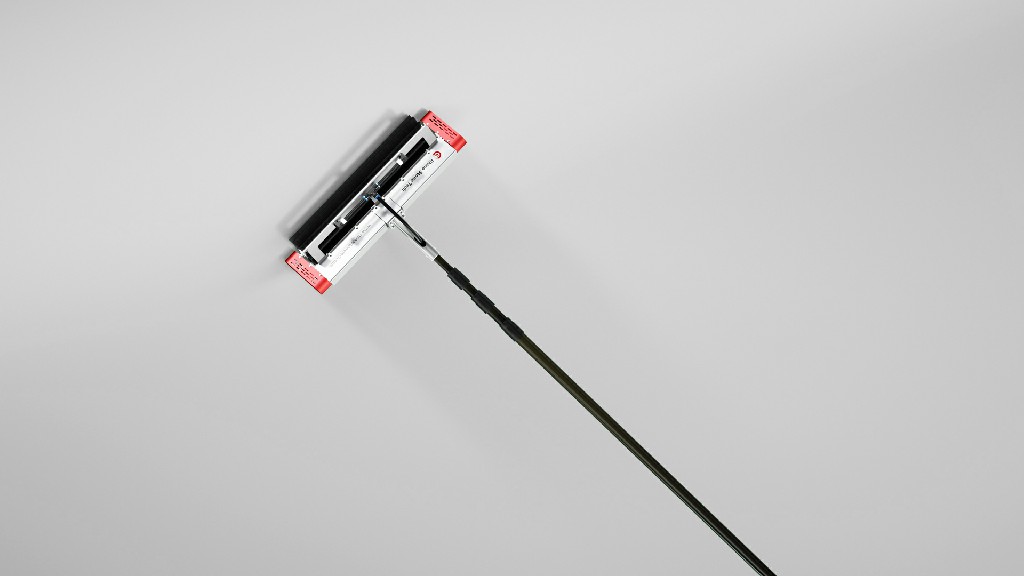
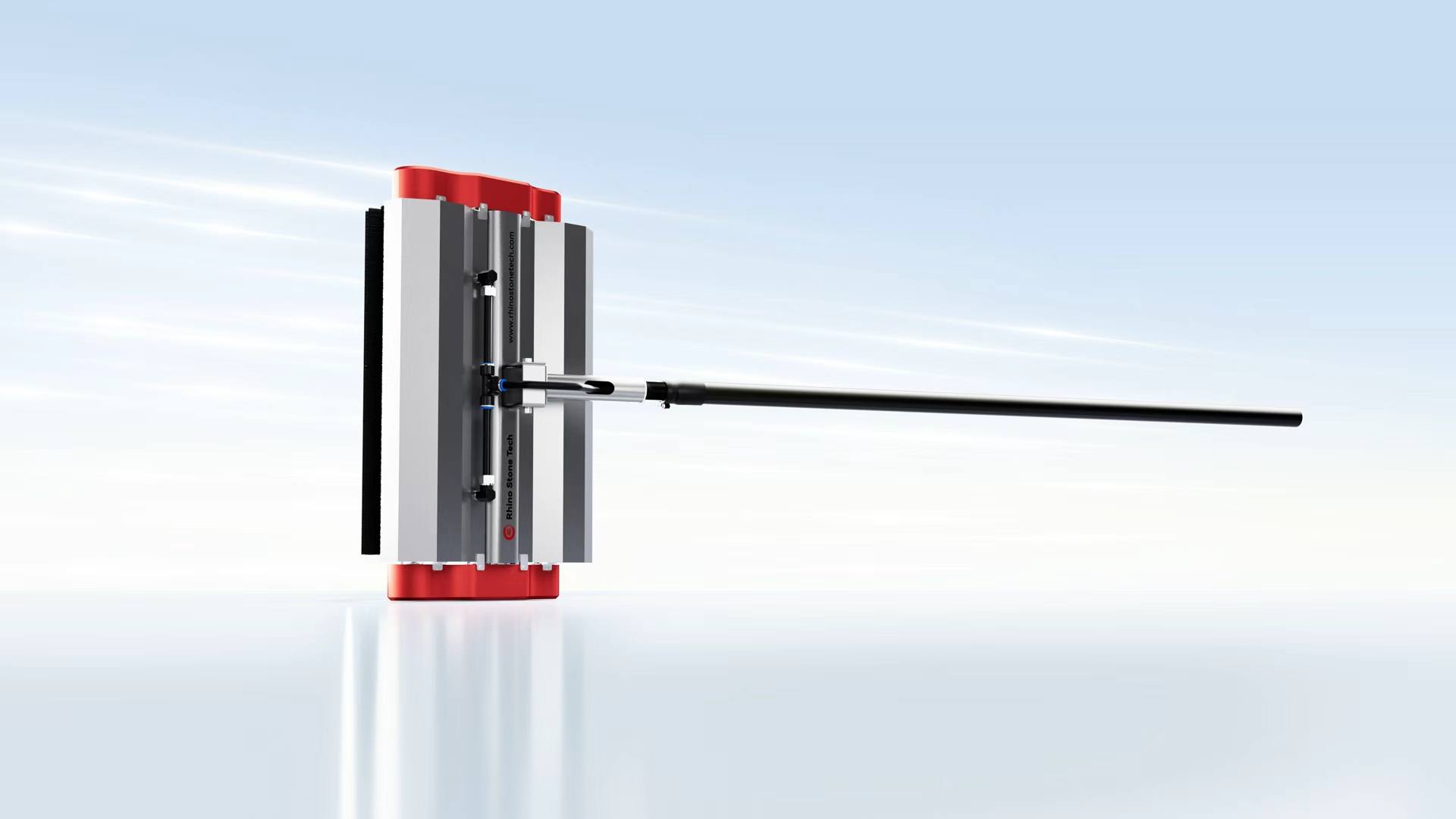
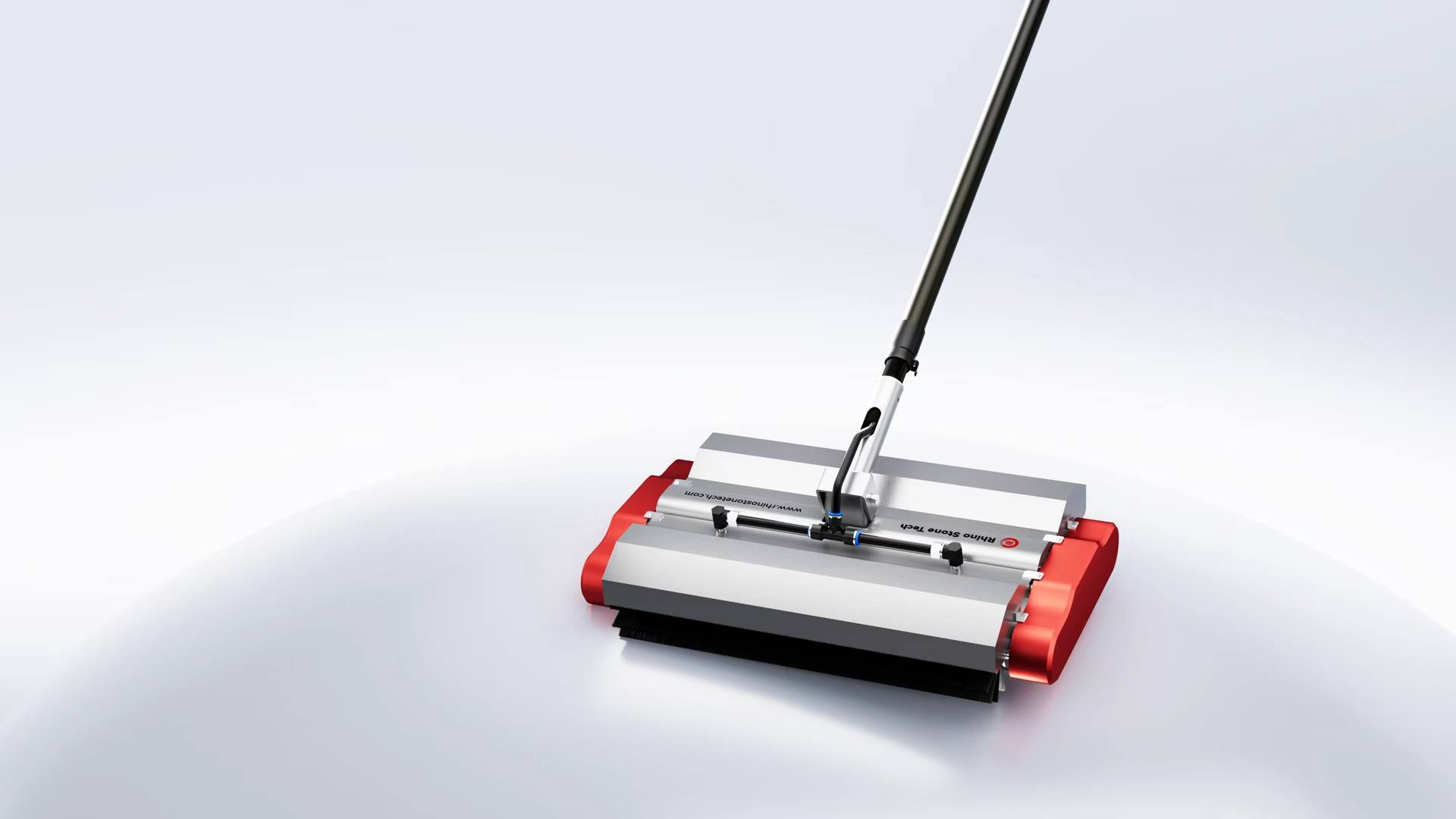
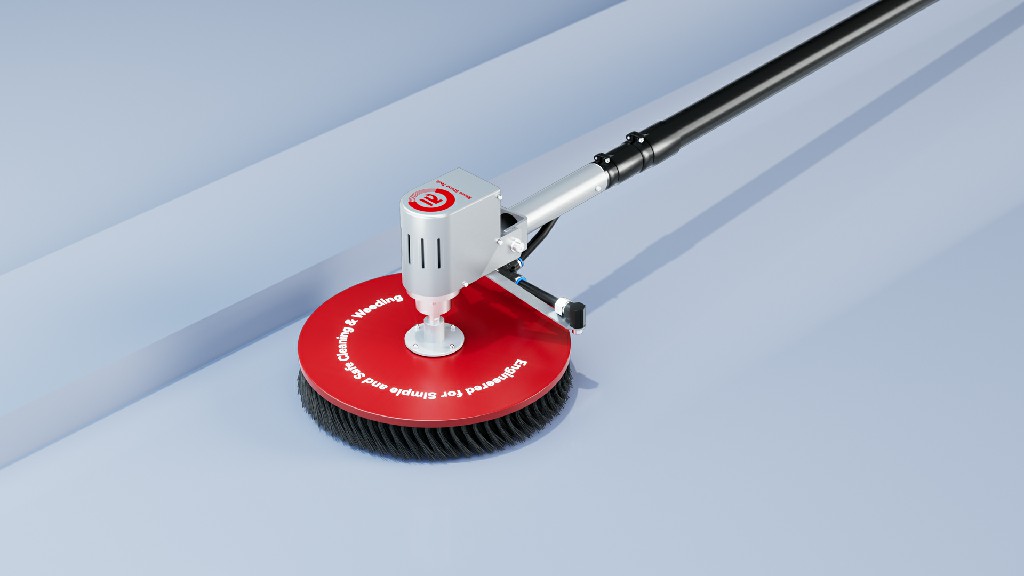
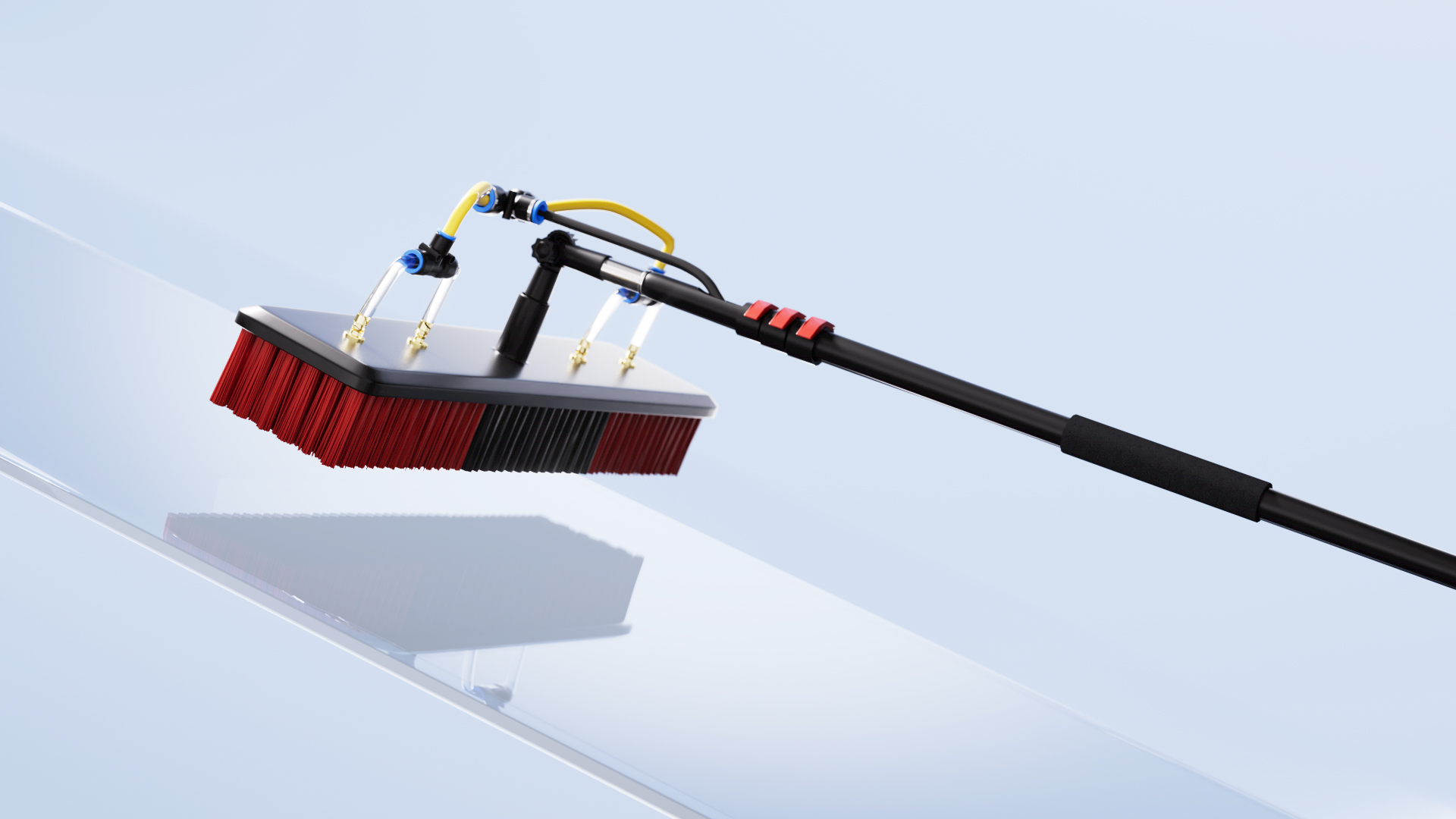
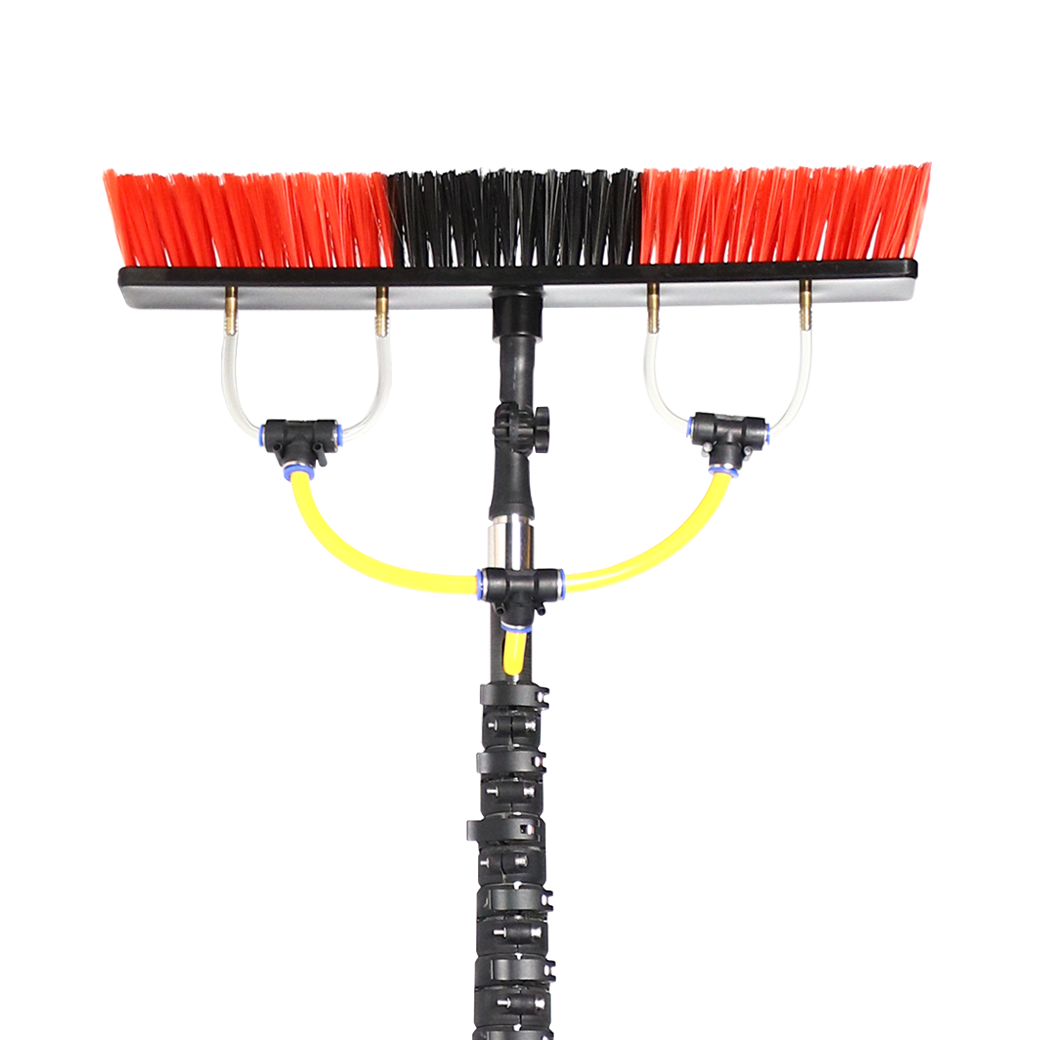
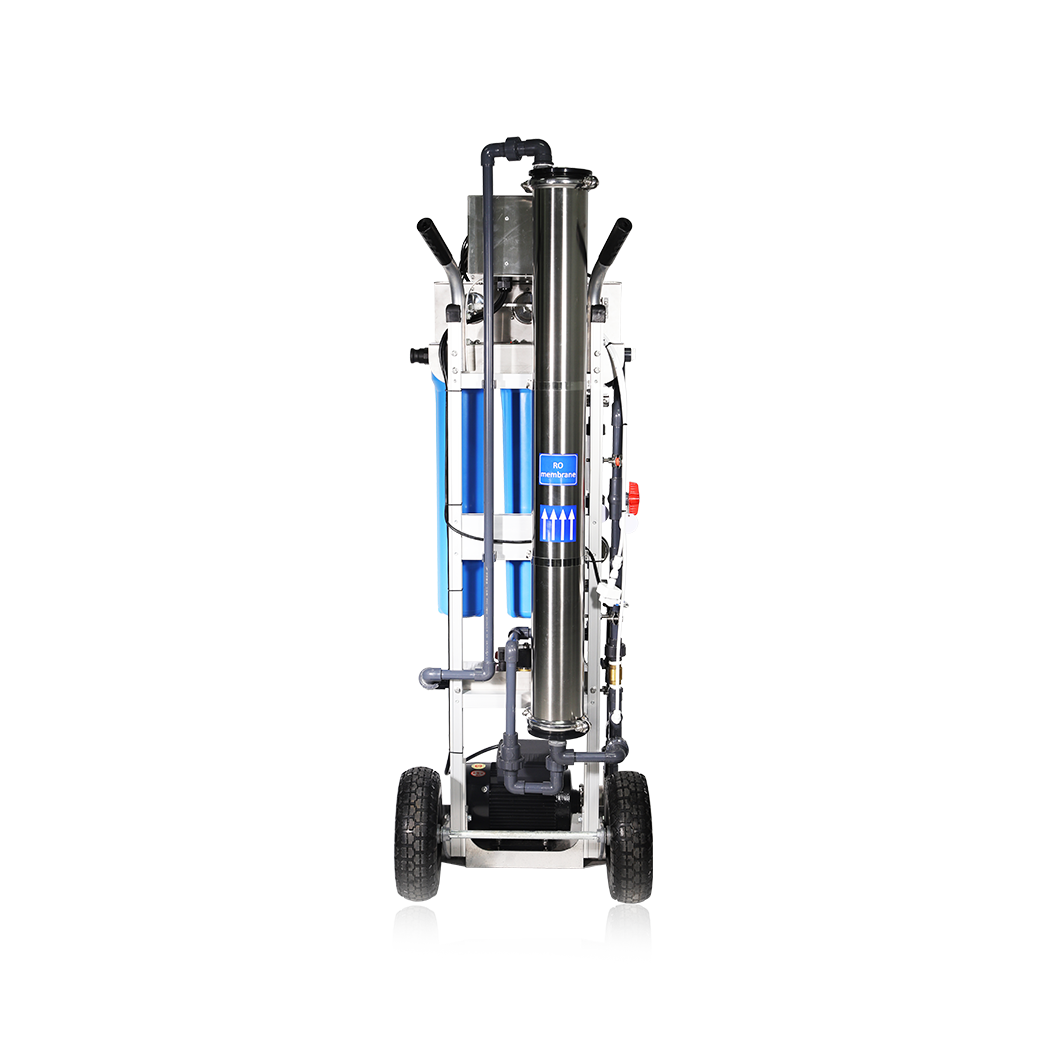
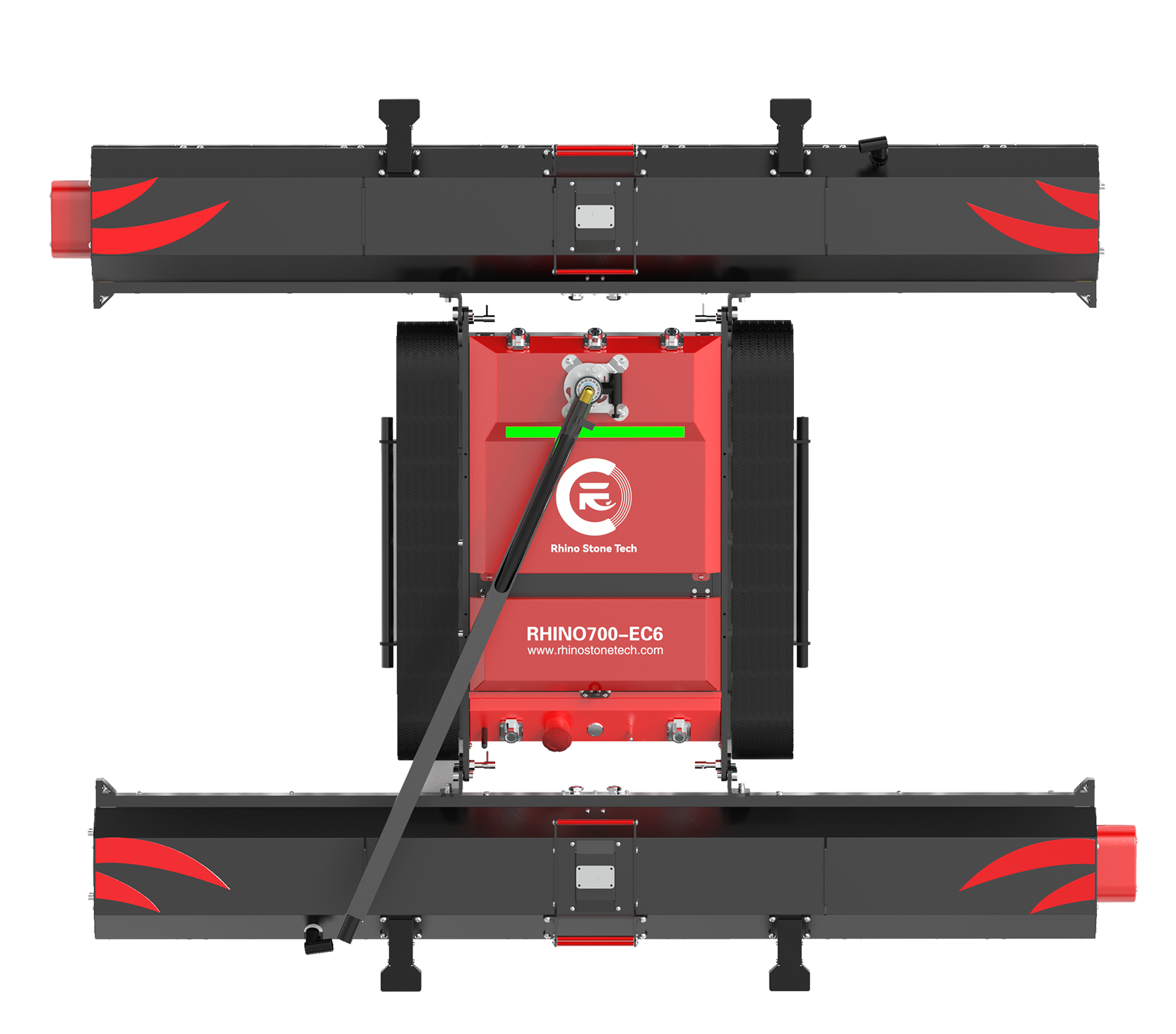
Reducing O&M Safety Risks:Compared with reactive repairs after failures occur, preventive cleaning is far more controllable. Using safer and more stable cleaning methods also reduces the need for high-risk manual work in complex environments, improving overall operation and maintenance safety.


Dust bands may appear to be a minor surface contamination issue, but their impact extends well beyond power loss—into operational safety and equipment reliability. If left unaddressed, they can quietly amplify risks across the entire PV plant.
Treating cleaning as a core part of routine safety-focused O&M helps prevent risk accumulation and ensures the long-term, safe, and stable operation of photovoltaic power plants.