
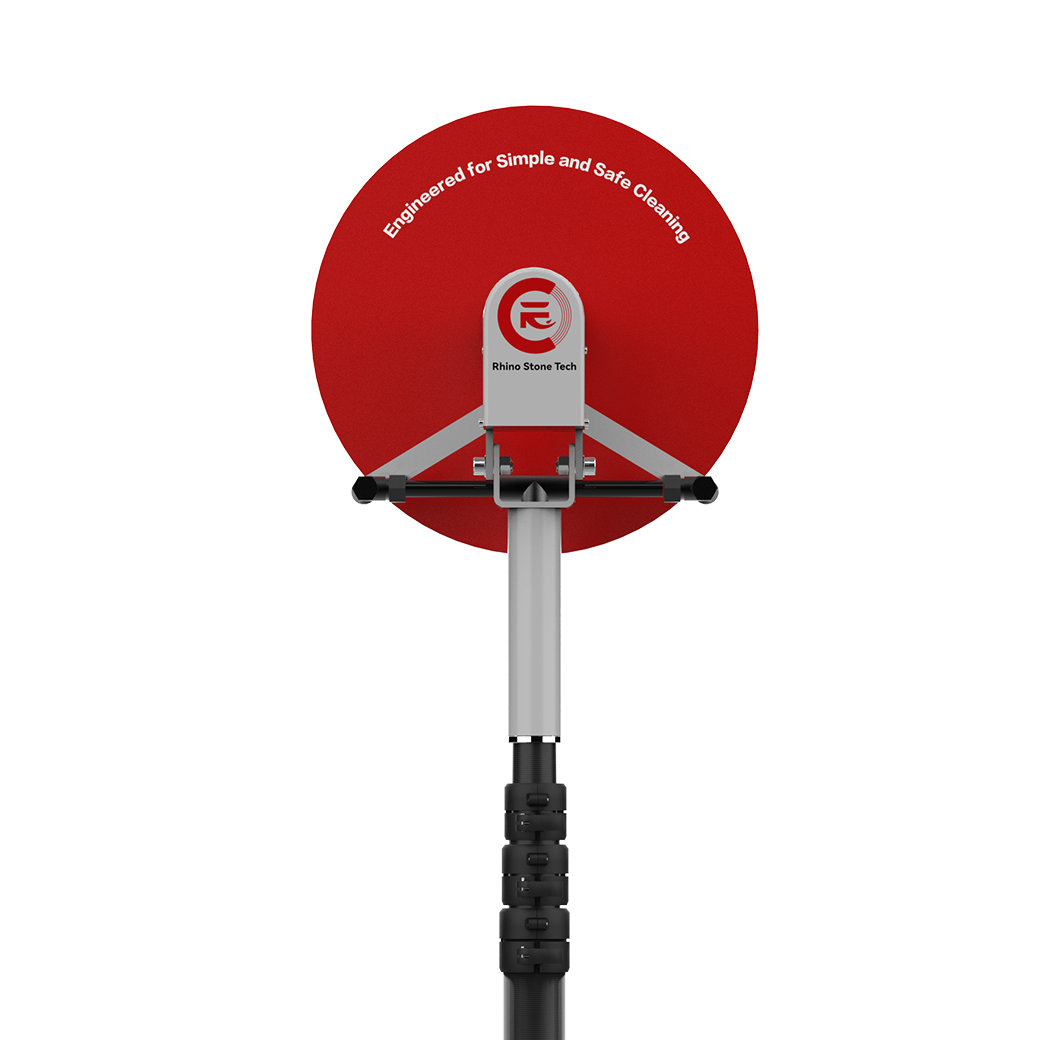
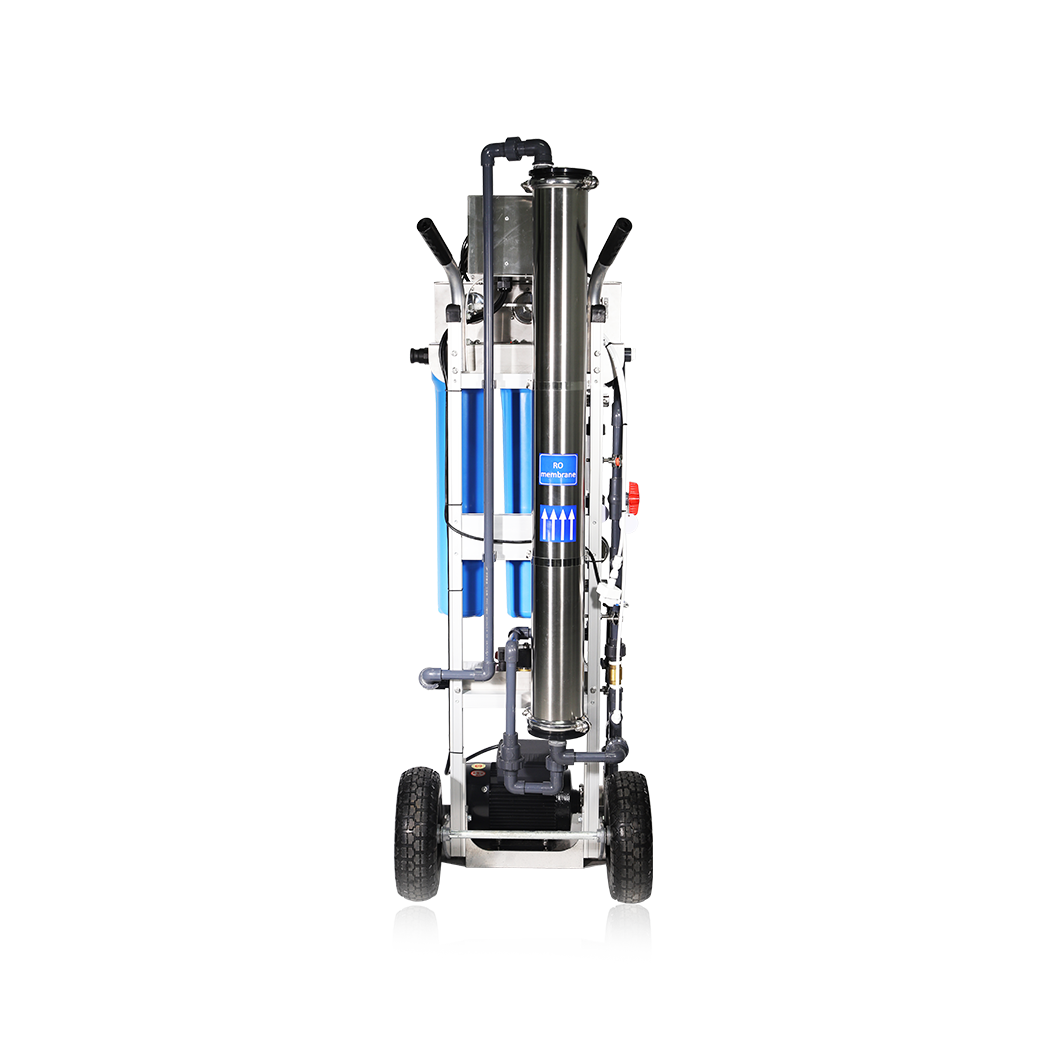
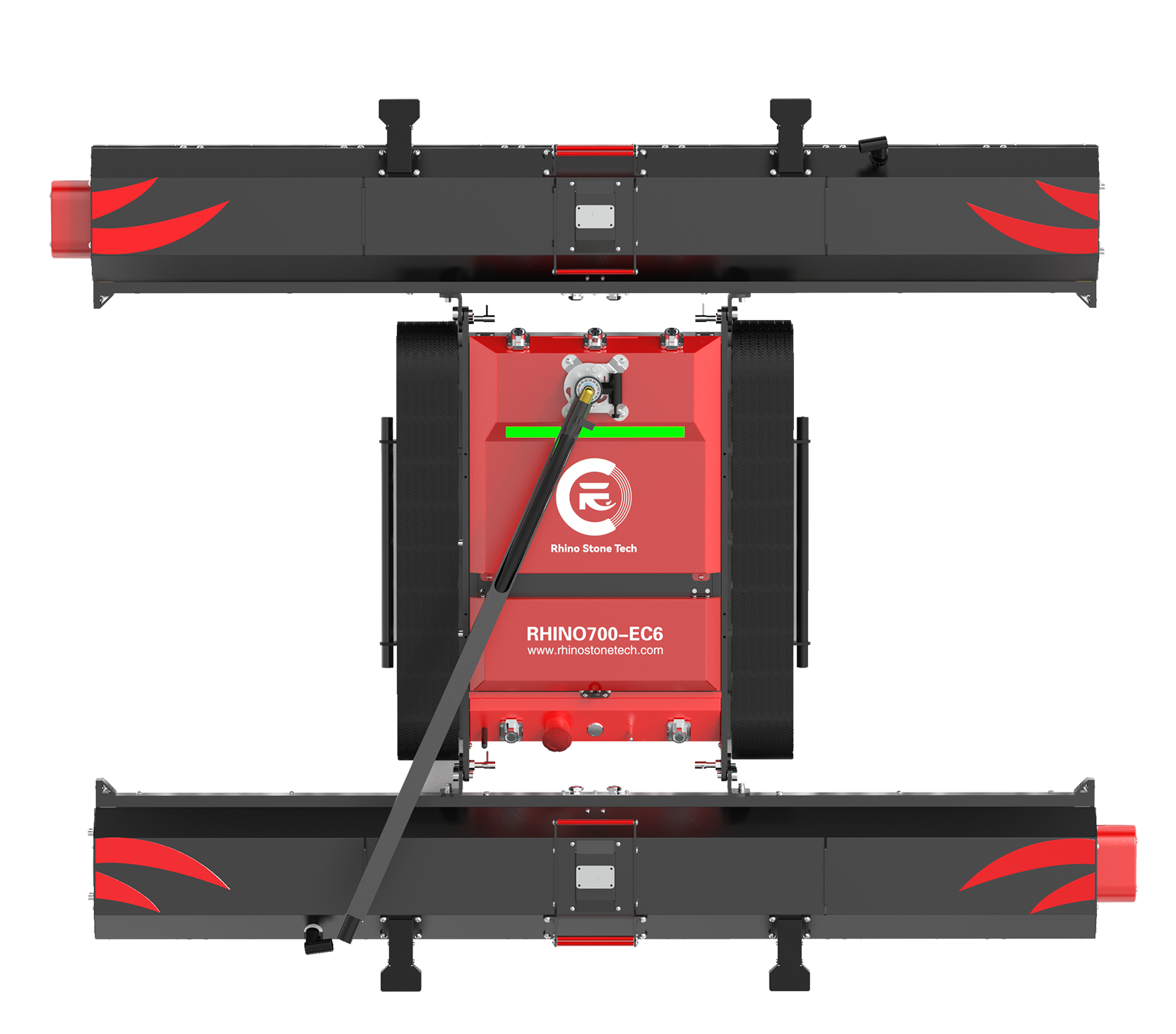
Maintaining clean solar panels is essential for maximizing energy efficiency and prolonging the lifespan of a photovoltaic system. Depending on the environment and type of contamination, either dry cleaning or wet cleaning can be used, each with its own advantages and suitable scenarios.
Dry Cleaning: Features and Suitable Scenarios
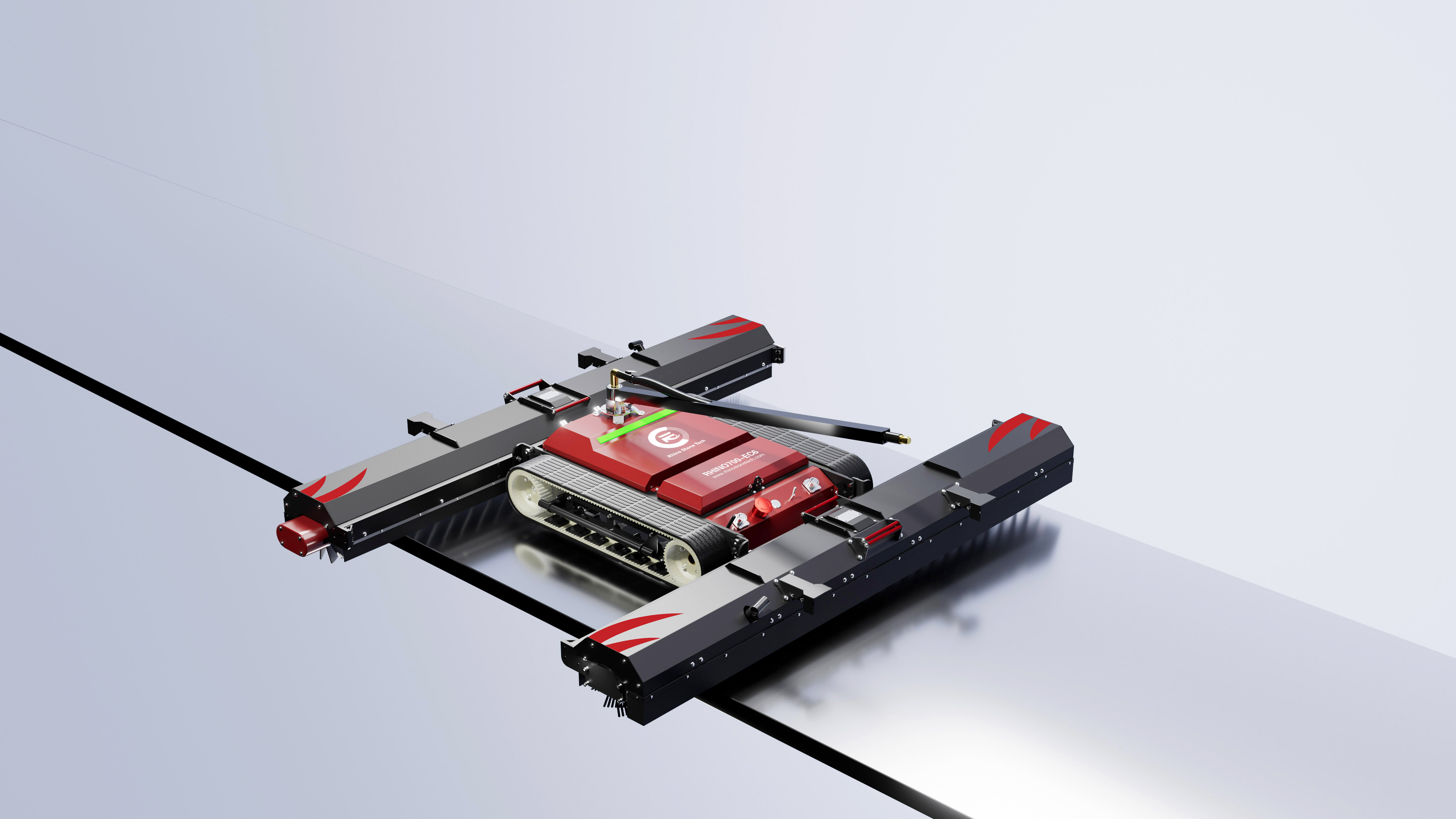
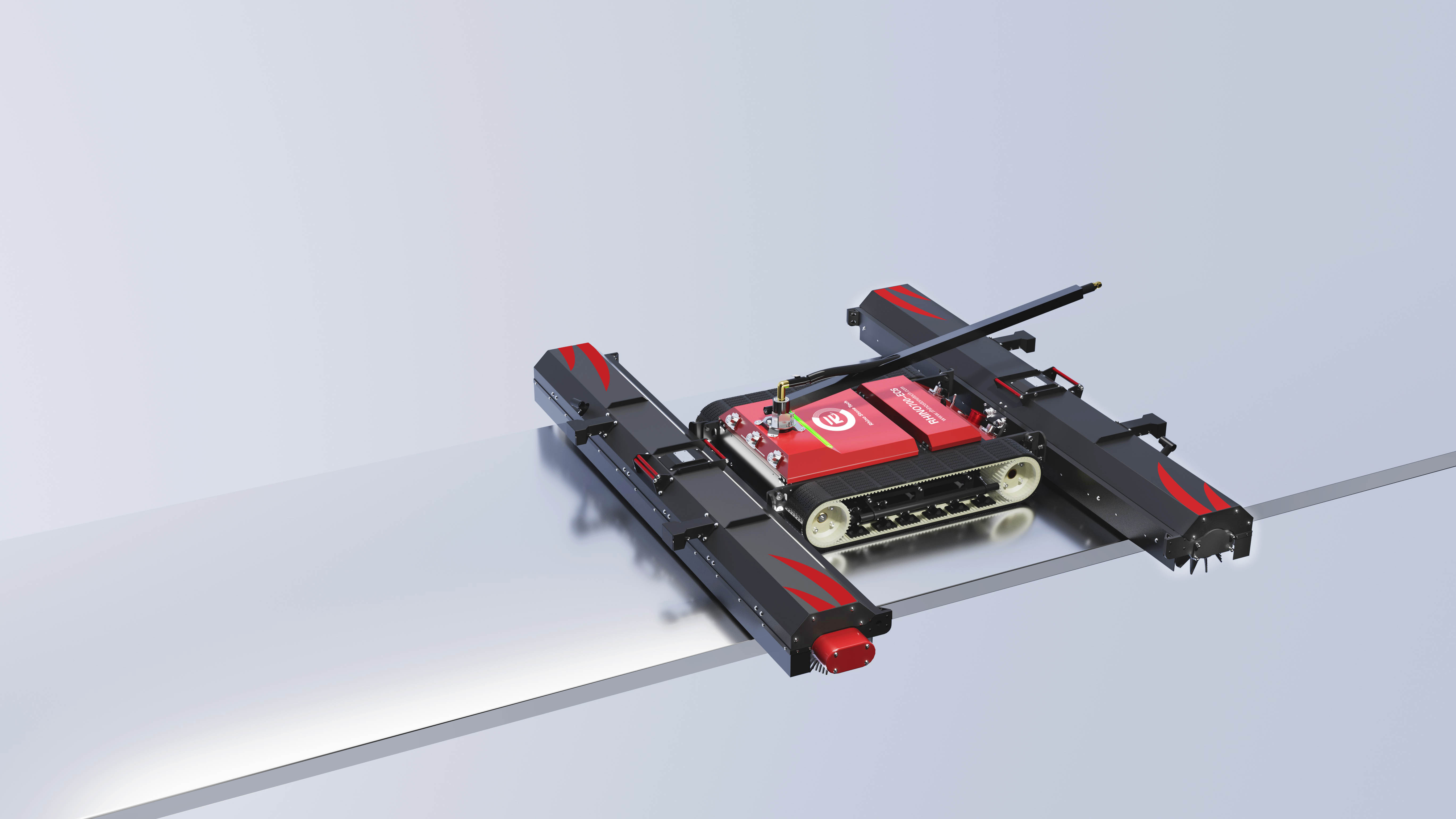
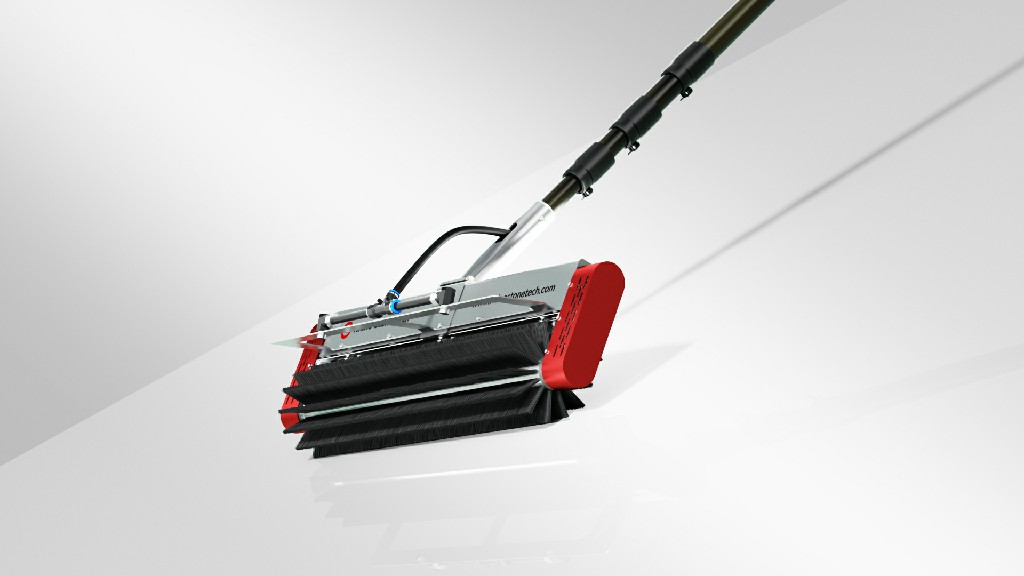
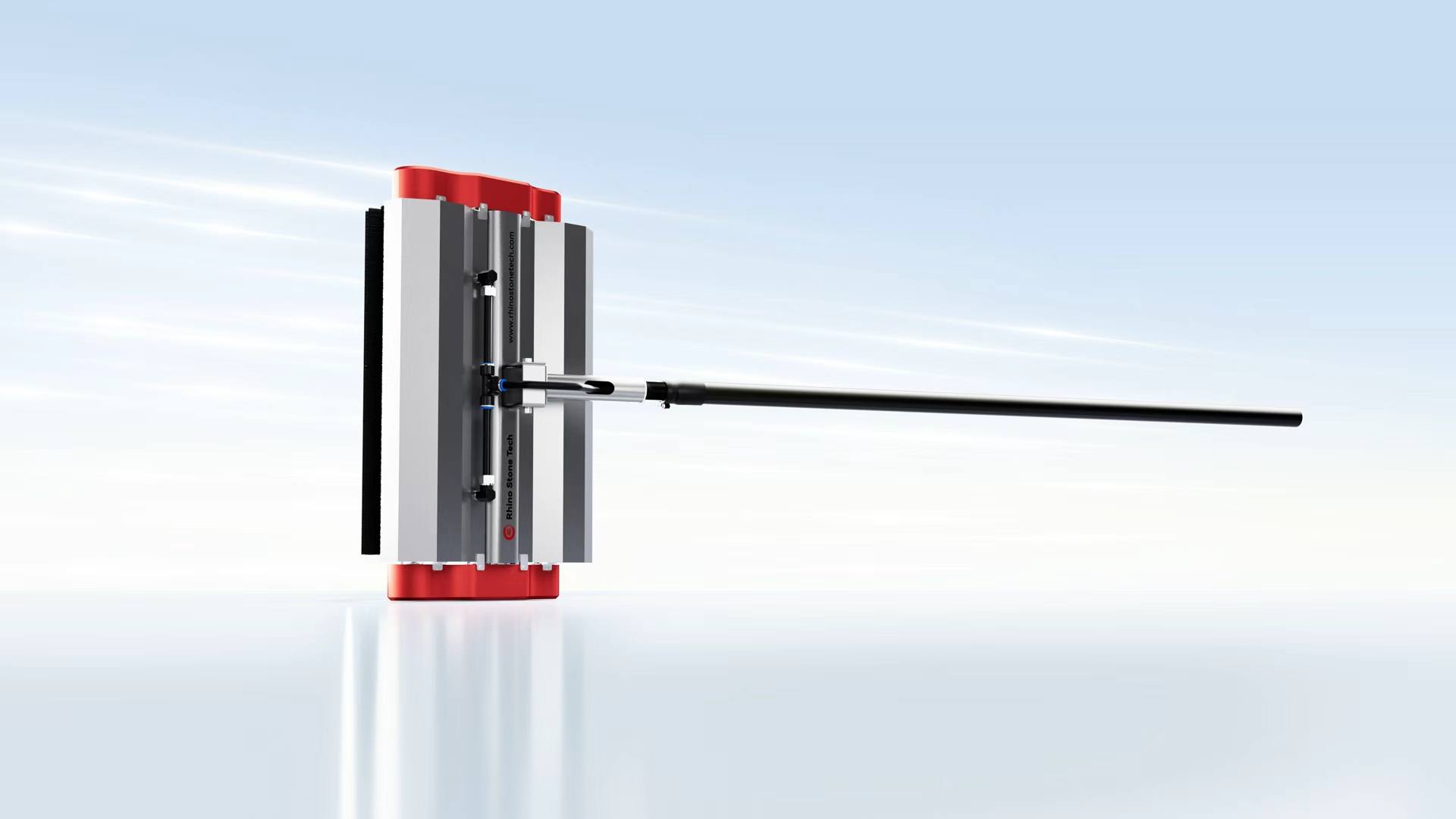
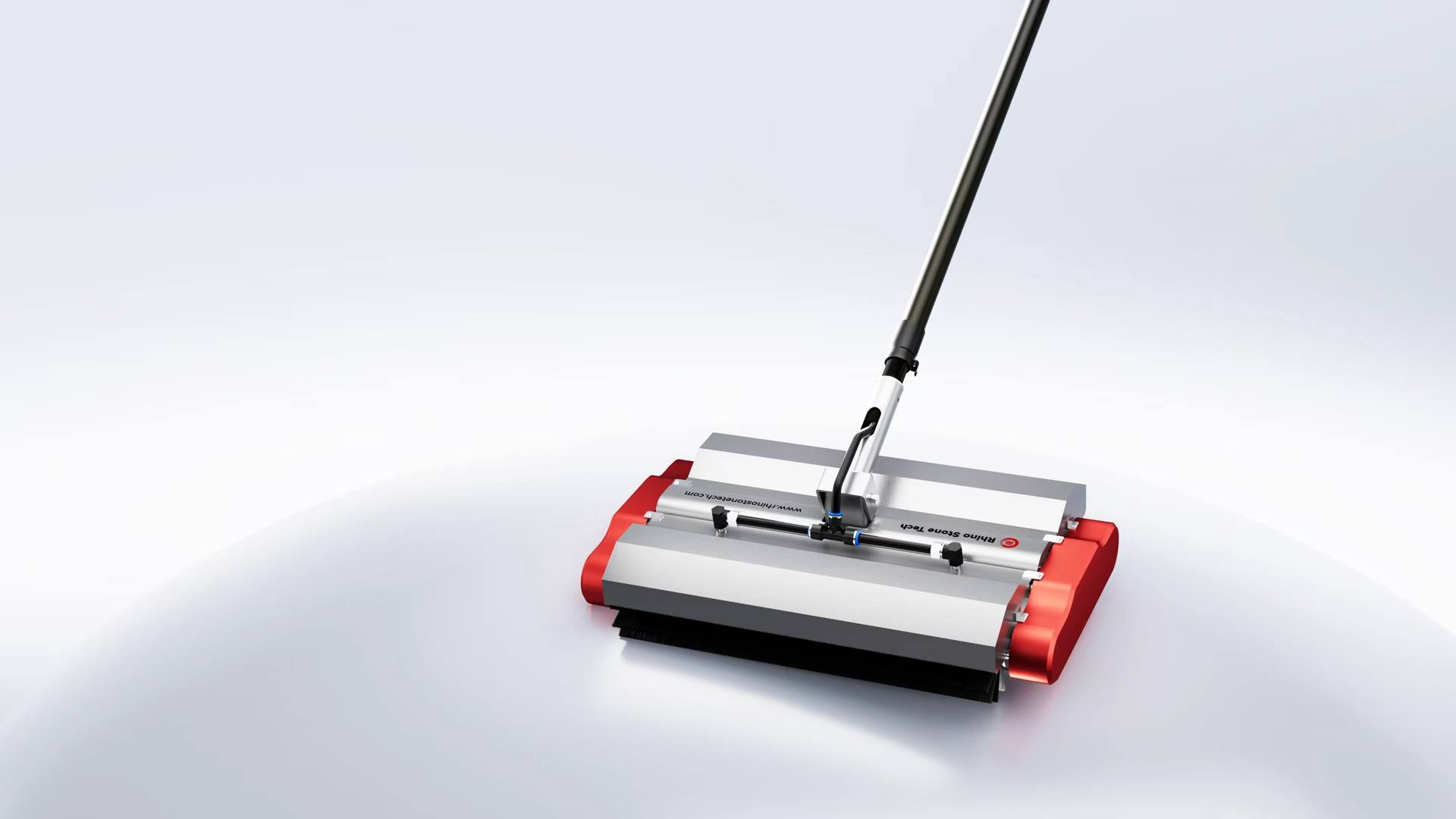
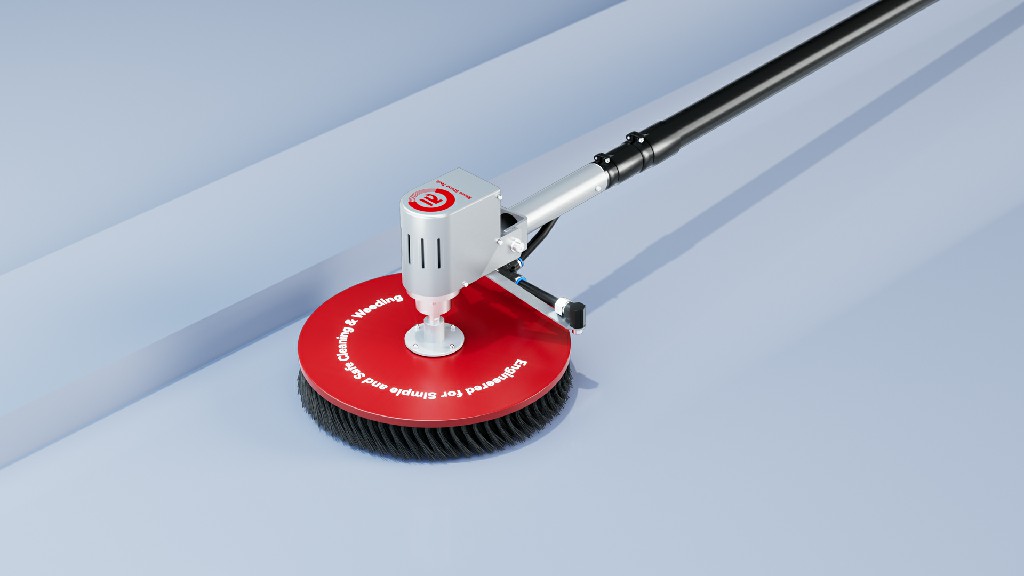
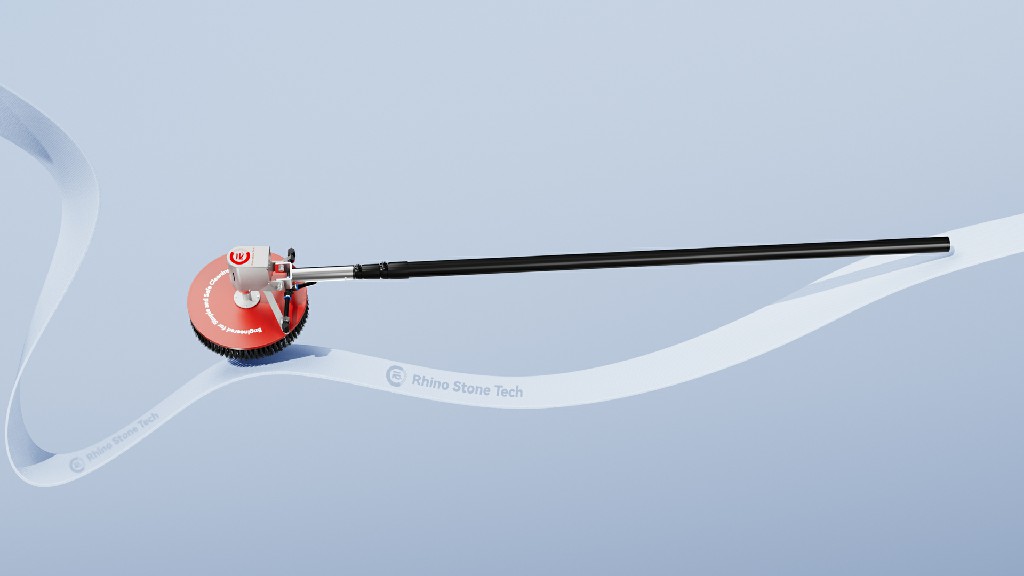
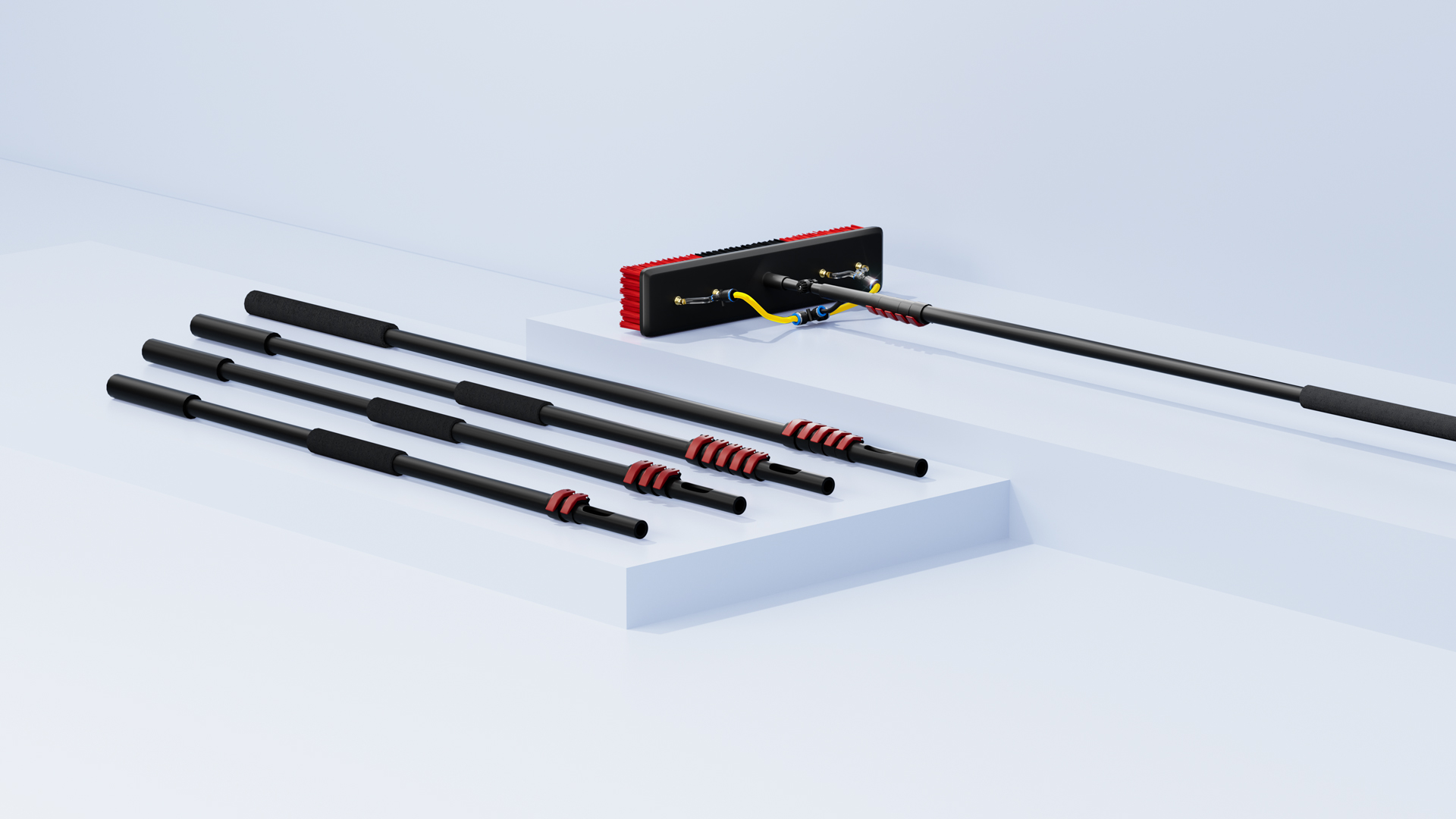
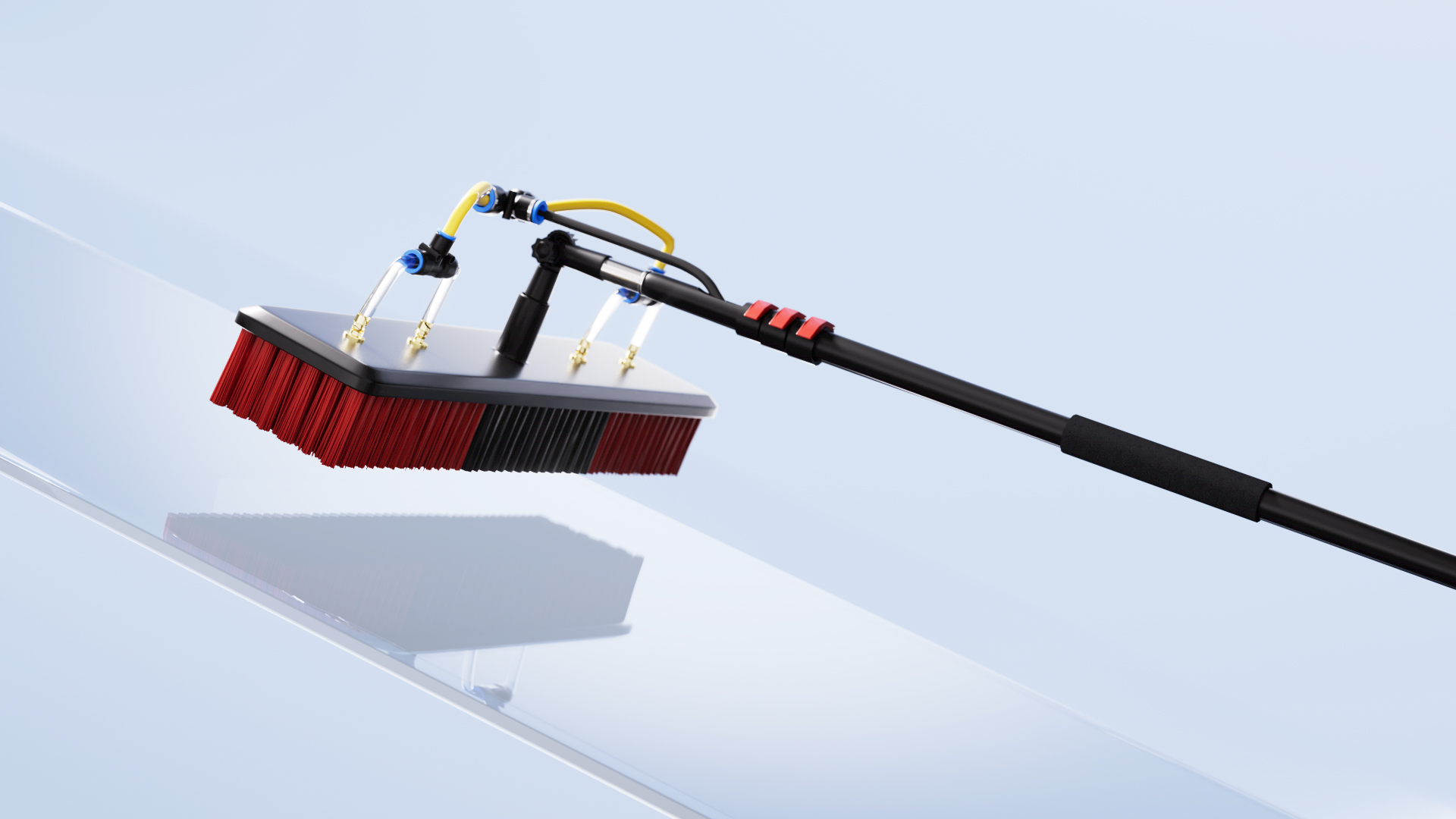
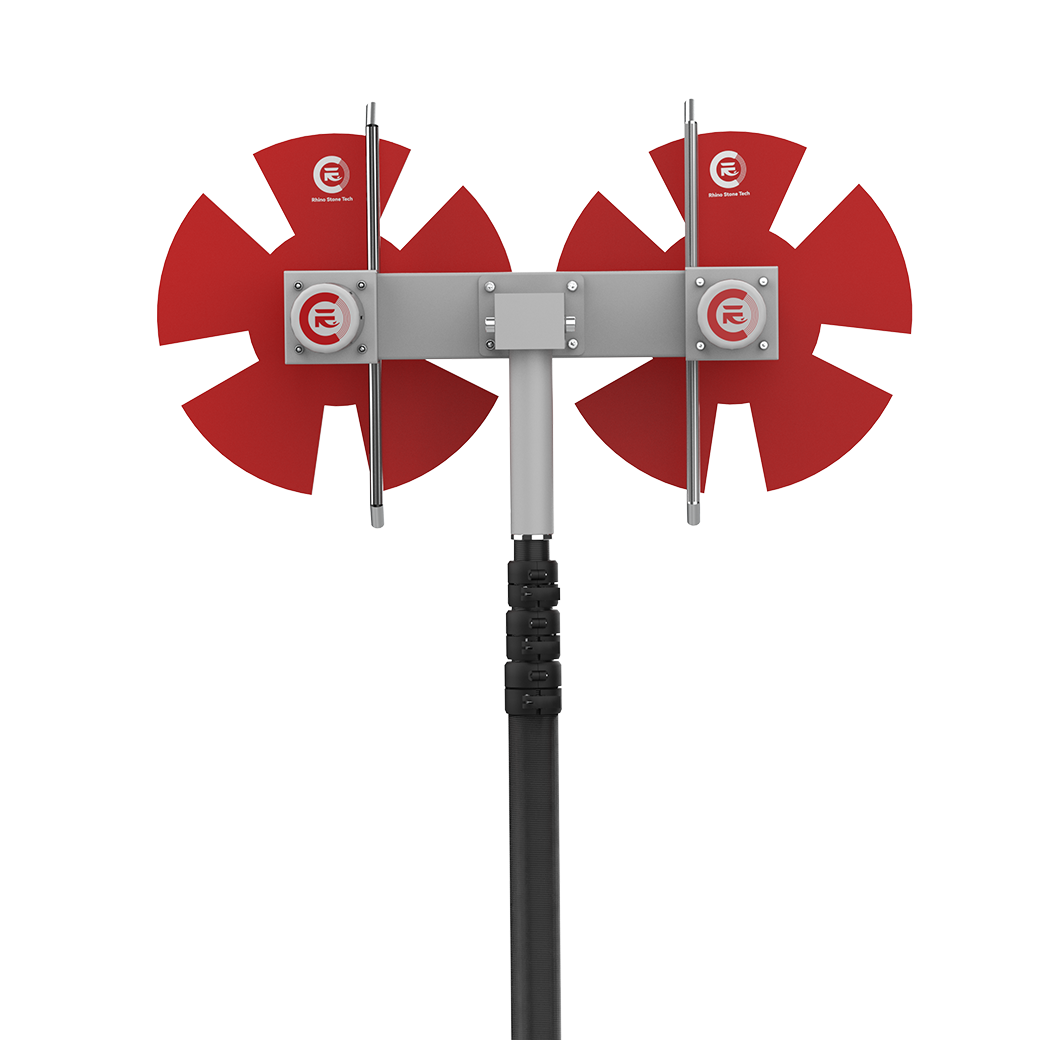
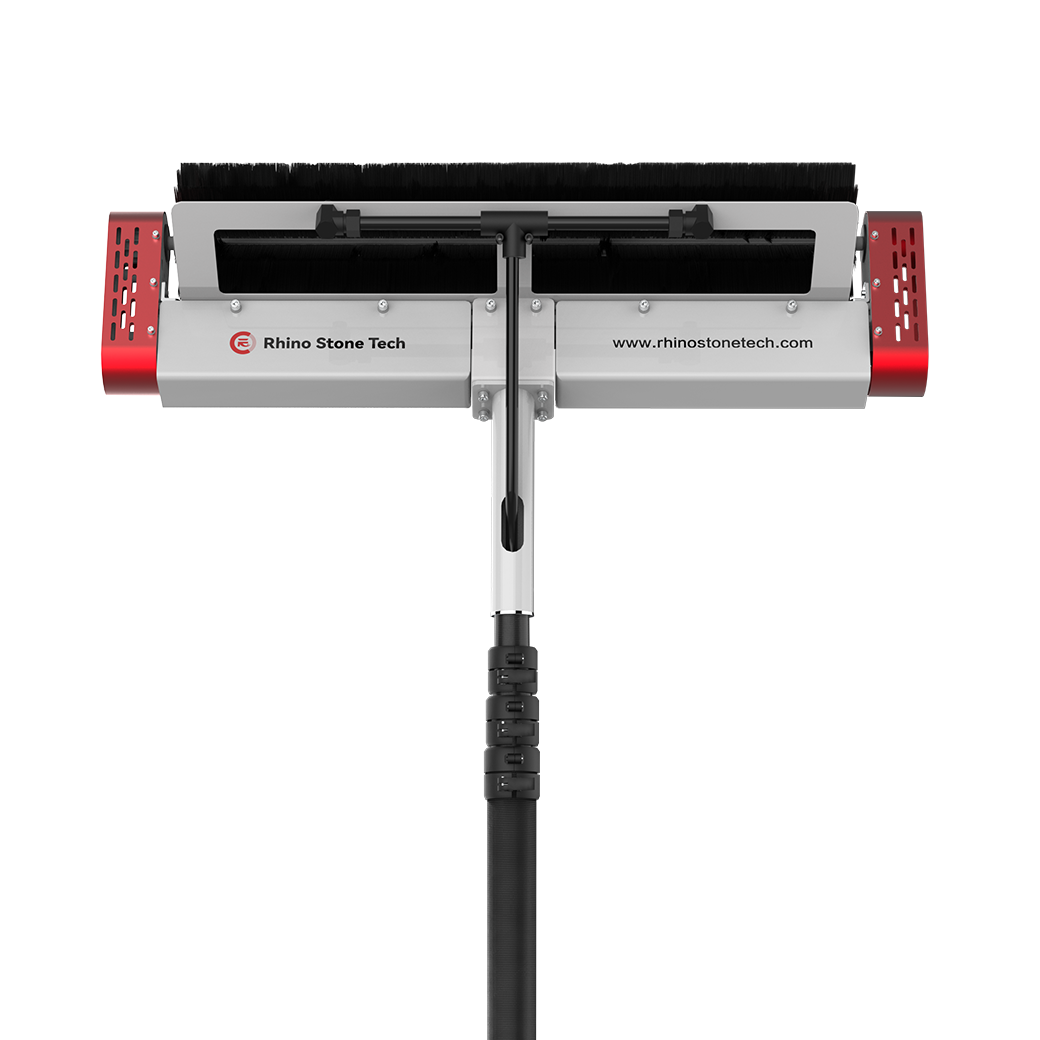
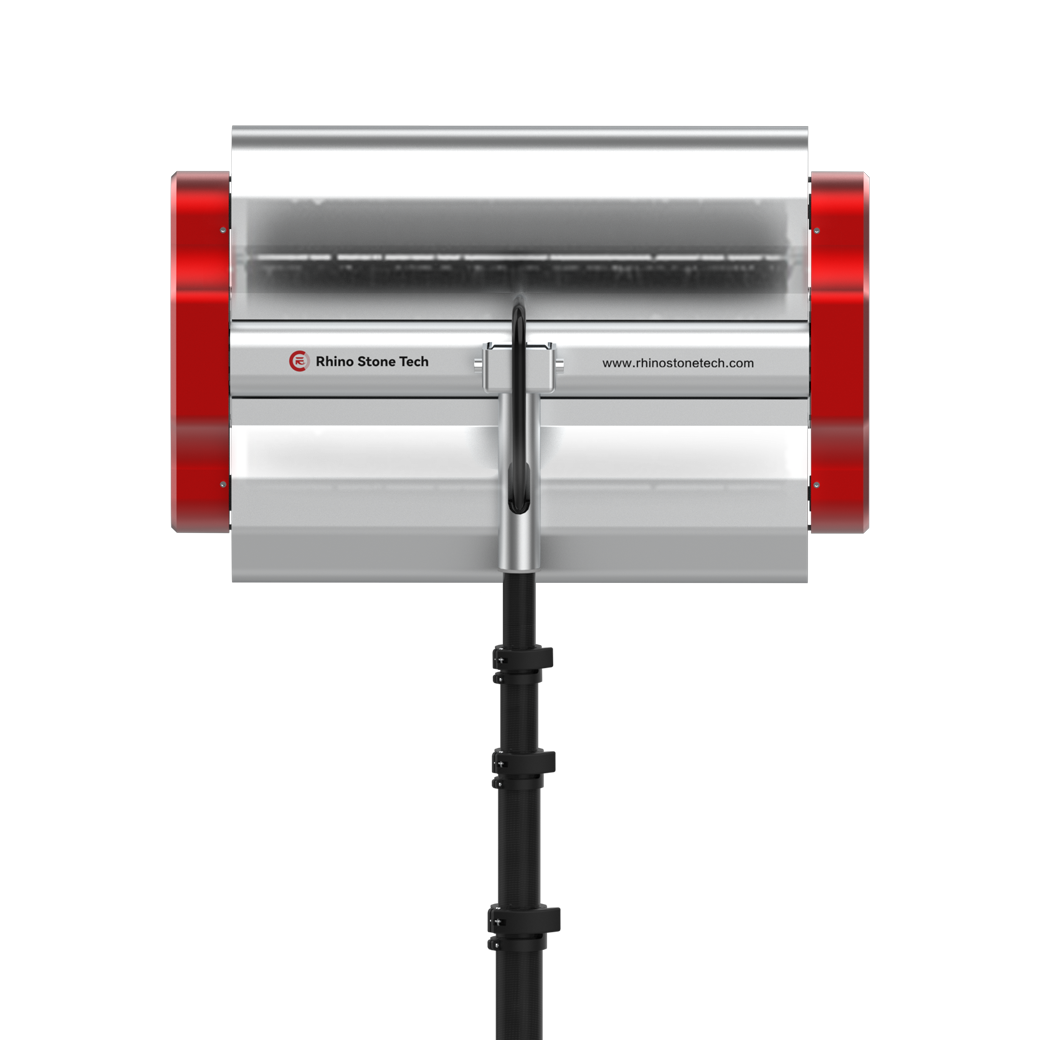
Dry cleaning does not require large amounts of water and primarily removes dust and light debris using brushes or air-based mechanisms. It is ideal for:
• Arid or water-scarce regions
• Ground-mounted PV plants exposed to heavy dust
• Large centralized solar farms
• Commercial and industrial rooftop projects
Dry cleaning is efficient, water-saving, and perfect for routine maintenance in dusty environments.
Wet Cleaning: Features and Suitable Scenarios
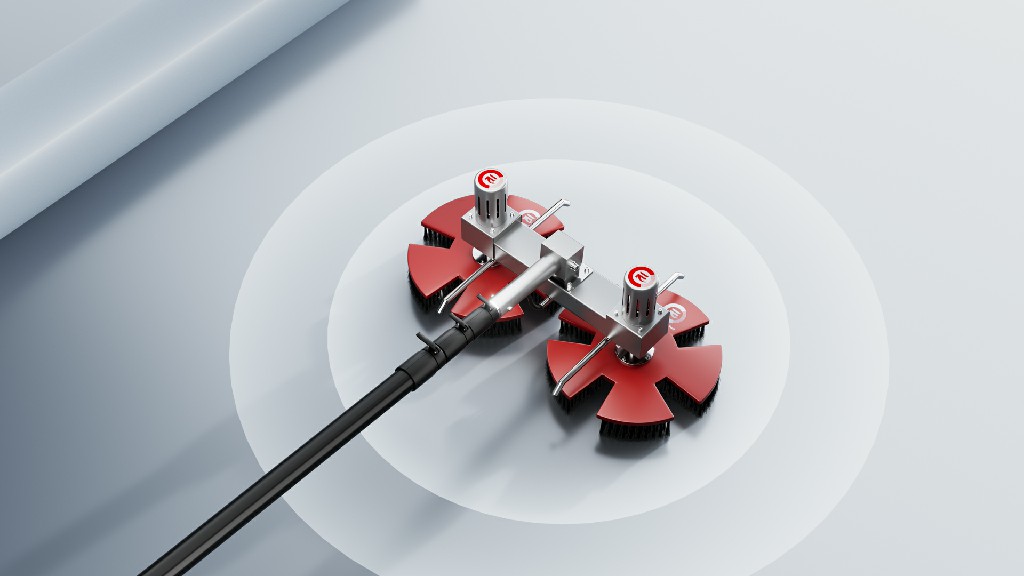
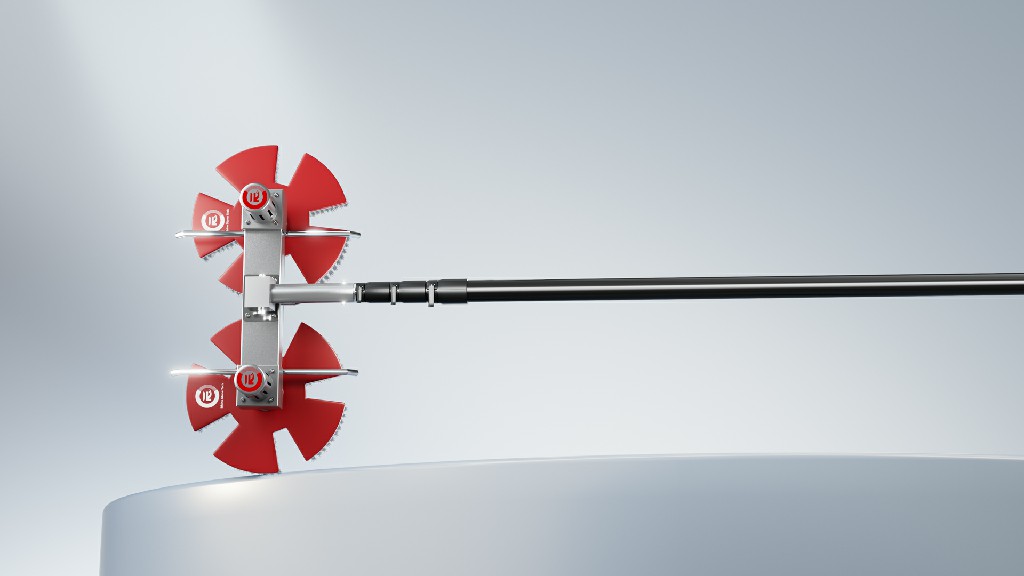
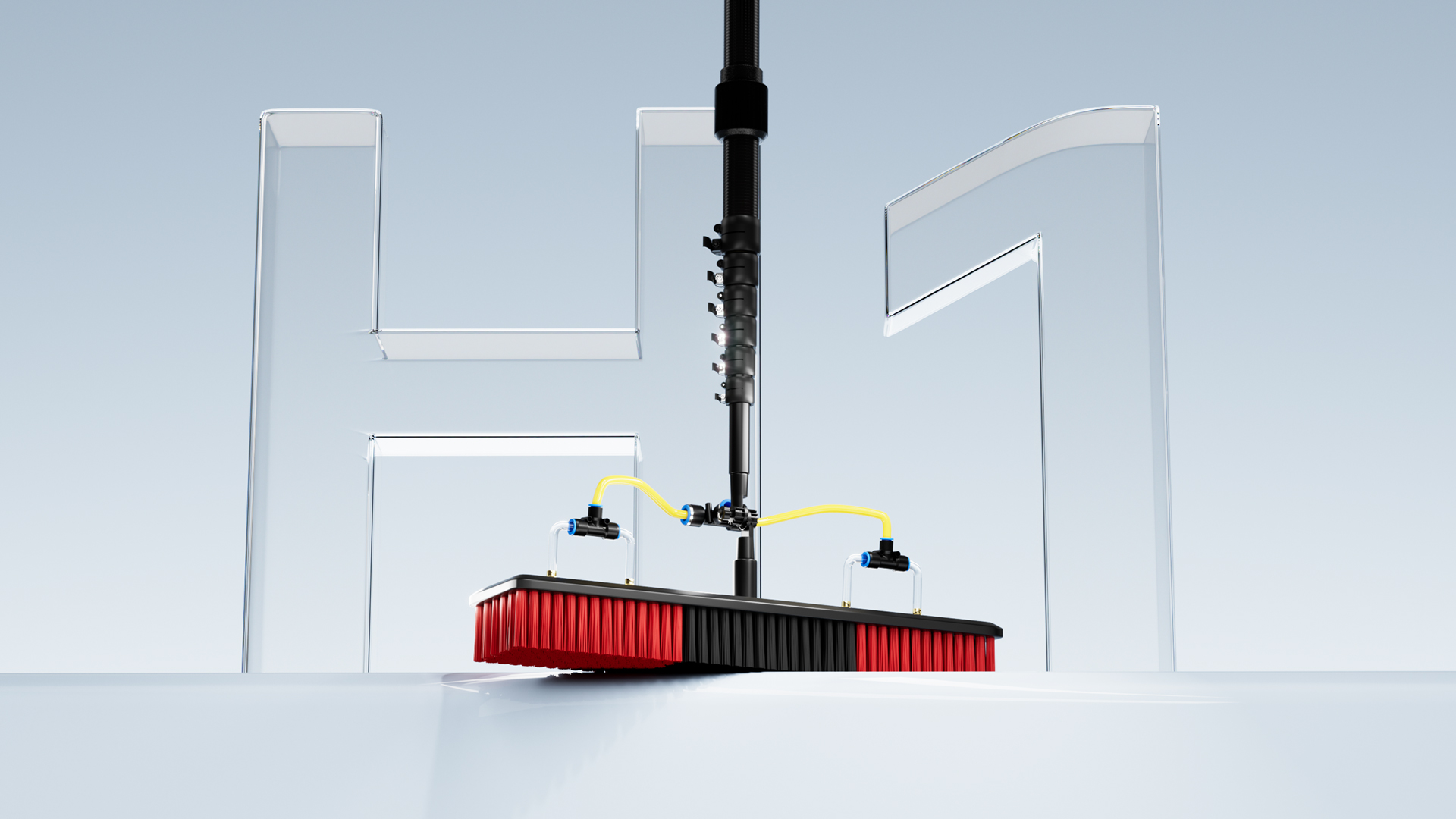
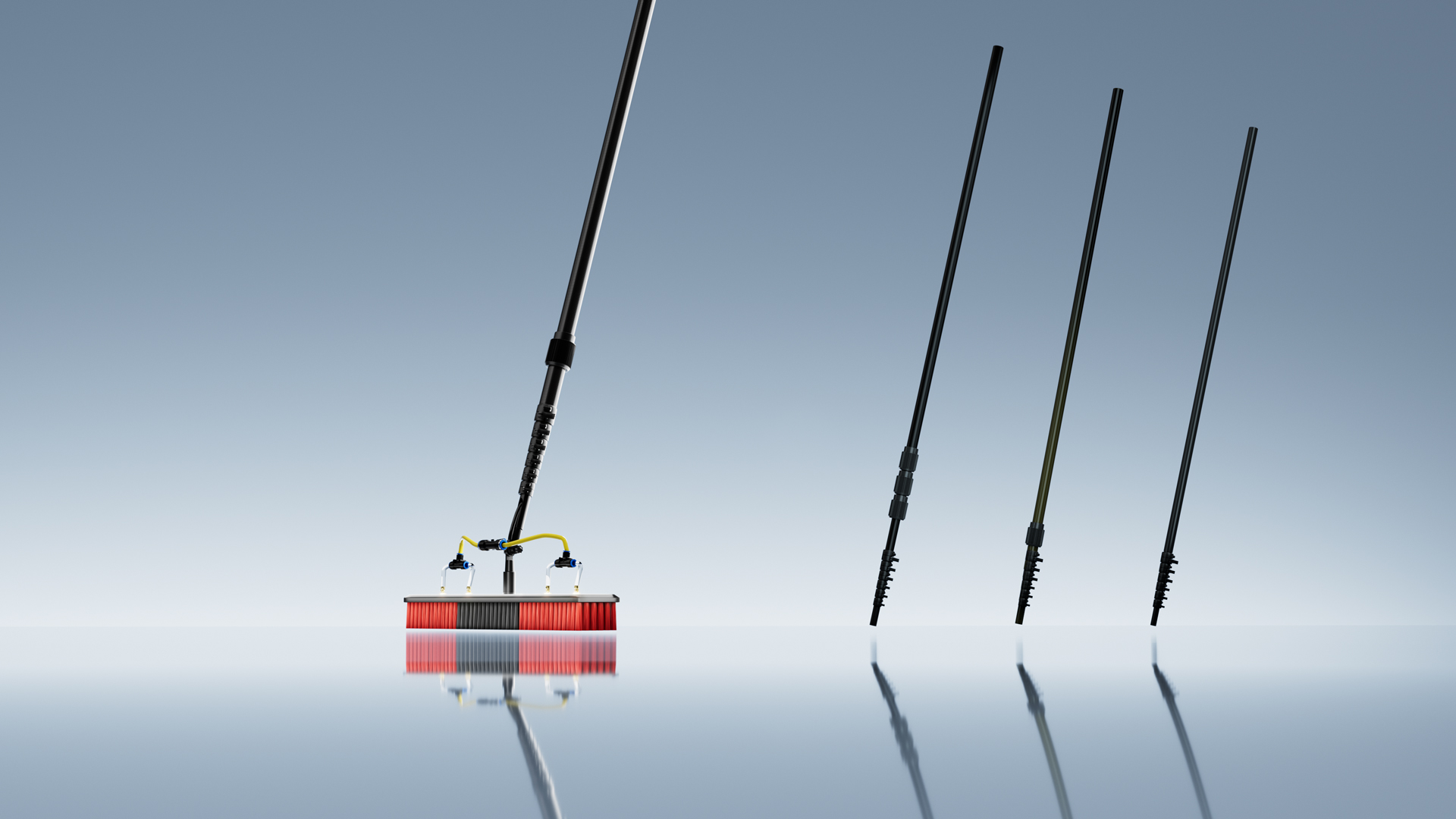
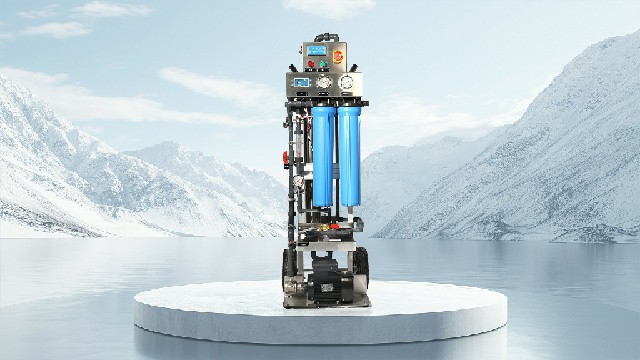
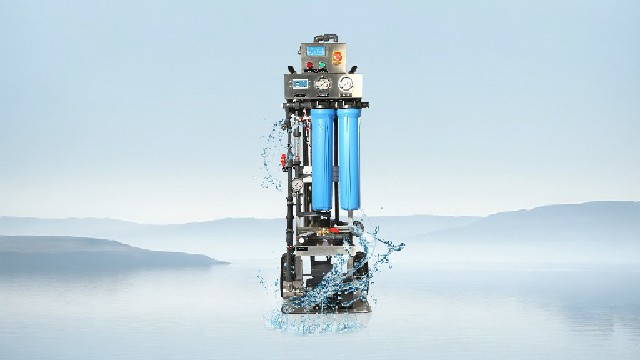
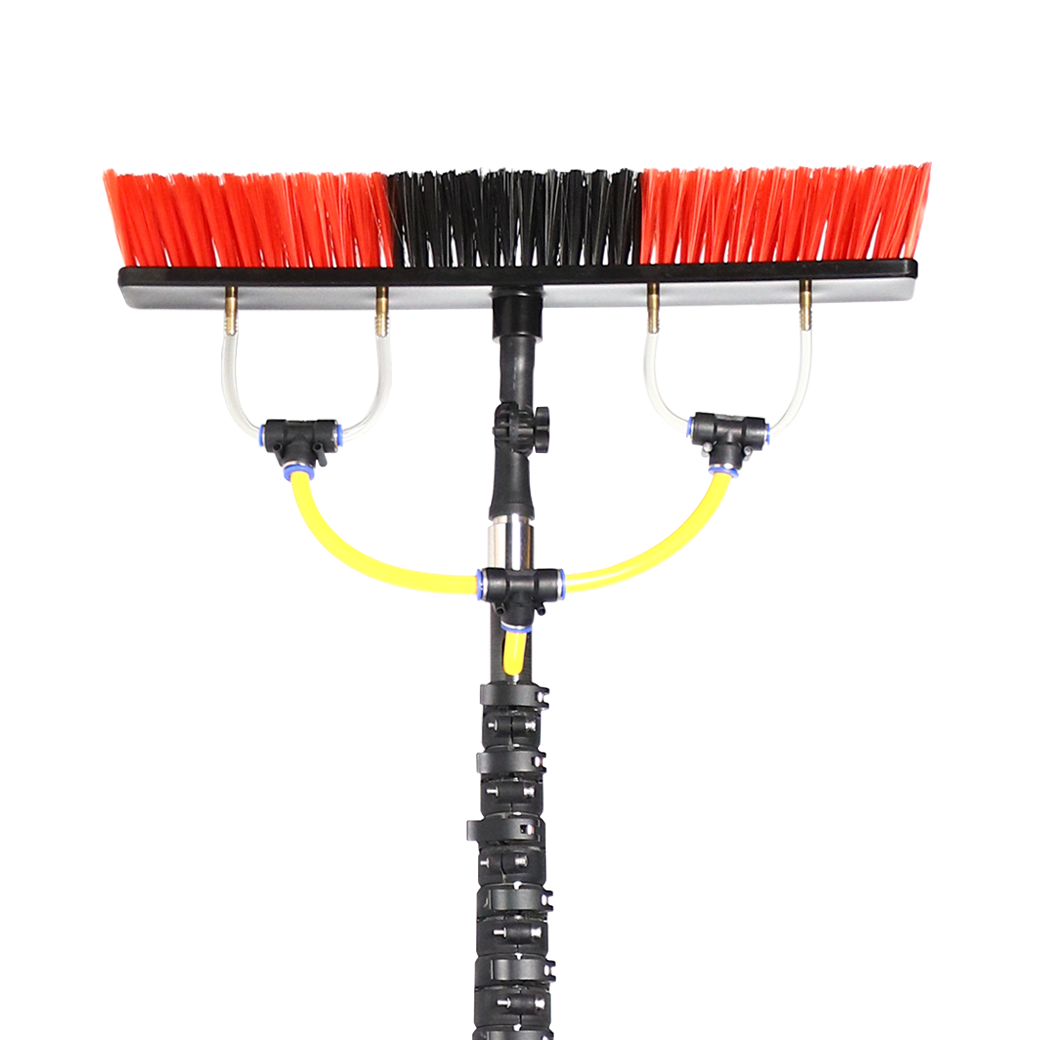
Wet cleaning uses water flow, sometimes combined with cleaning agents, to remove stubborn dirt and contaminants. It is recommended for:
• Areas with heavy industrial pollution
• Sites with bird droppings or oil residues
• PV plants that have not been cleaned for an extended period
• Areas with severe or stubborn stains
Wet cleaning can thoroughly remove accumulated dirt, restoring solar panels to optimal energy production.
Choosing the Right Cleaning Method
Dry cleaning is best for routine maintenance or dust-heavy, water-scarce areas.
Wet cleaning is ideal for heavily polluted or long-neglected PV installations.
In practice, combining dry and wet cleaning based on environmental conditions and site needs can achieve the best results.